If you are currently taking losartan and have heard about recalls, the short answer is: do not stop taking your medication without first talking to your doctor. The losartan recalls, which began making headlines in 2018 and continued in waves over subsequent years, affected specific batches from specific manufacturers — not the drug itself. Losartan remains an FDA-approved, widely prescribed angiotensin II receptor blocker used to treat high blood pressure, and uncontrolled hypertension poses its own serious risks to brain health and cognitive function.
A patient in, say, suburban Ohio taking a generic losartan tablet from one manufacturer may have been completely unaffected, while someone taking the same drug from a different supplier may have had a recalled lot sitting in their medicine cabinet. This article digs into the details of why losartan was recalled, what contaminants were found, how this matters for people concerned about dementia and brain health, and what practical steps you should take right now. We will also look at alternative blood pressure medications and the broader question of how hypertension management connects to long-term cognitive decline. If you or someone you care for takes losartan, this is worth reading carefully — but the takeaway up front is that the drug itself is not the problem.
Table of Contents
- Why Was Losartan Recalled and Is It Still Safe to Take?
- What Contaminants Were Found in Losartan and What Are the Real Risks?
- Why Blood Pressure Medication Matters for Dementia and Brain Health
- What Should You Do Right Now If You Take Losartan?
- The Broader Problem With Generic Drug Manufacturing and What It Means for You
- What to Watch for in Ongoing Losartan Safety Updates
- The Future of Blood Pressure Management and Brain Health
- Conclusion
- Frequently Asked Questions
Why Was Losartan Recalled and Is It Still Safe to Take?
The losartan recalls were triggered by the detection of nitrosamine impurities — specifically NMBA (N-Nitroso-N-methyl-4-aminobutyric acid) and NDEA (N-Nitrosodiethylamine) — in certain batches of the drug. These impurities are classified as probable carcinogens, meaning they may increase cancer risk with long-term exposure. The contamination was traced back to the manufacturing process at certain overseas pharmaceutical plants, not to the losartan molecule itself. The FDA issued multiple voluntary recalls affecting products from manufacturers including Torrent Pharmaceuticals, Hetero Labs, and others, spanning from late 2018 through 2021. It is important to understand the distinction between a drug recall and a drug being pulled from the market entirely. Losartan was never withdrawn.
The FDA continued to approve losartan products from manufacturers whose supply chains were clean. By comparison, when a drug like Vioxx was pulled in 2004, it was because the compound itself carried unacceptable cardiovascular risks. With losartan, the issue was akin to a food contamination problem at a single processing plant — you do not stop eating lettuce forever because one farm had an E. coli outbreak. However, if you are still taking losartan tablets that have been sitting in a medicine cabinet since 2019 or earlier and you never checked lot numbers against recall lists, now is a reasonable time to verify. The FDA maintained a running list of recalled lots, and your pharmacist can help you confirm whether your current supply is affected. The overwhelming majority of losartan prescriptions dispensed today come from manufacturers that have resolved these issues or were never implicated.

What Contaminants Were Found in Losartan and What Are the Real Risks?
The nitrosamine impurities found in recalled losartan batches are not unique to this drug. In fact, the same class of contaminants was discovered in valsartan (another blood pressure medication in the same drug class) slightly earlier, which is what prompted the FDA to investigate losartan and irbesartan as well. Nitrosamines are found in low levels in some foods, water, and even the air — the concern with the pharmaceutical contamination was that the levels exceeded what the FDA considers an acceptable daily intake over a lifetime of use. The FDA estimated that the cancer risk from the contaminated batches was roughly one additional case of cancer per roughly 8,000 patients if they took the highest contaminated dose daily for four years.
That is not a trivial risk, but it is important to put it in context. Uncontrolled high blood pressure dramatically increases the risk of stroke, heart attack, vascular dementia, and kidney failure. For most patients, the risk of stopping blood pressure medication cold turkey far outweighs the risk posed by the contamination, which is why the FDA explicitly advised patients not to discontinue their medication without medical guidance. However, if you were taking a recalled lot for an extended period and have concerns about your cancer risk, it is reasonable to discuss screening or monitoring with your physician. This is especially true for older adults who may already have elevated cancer risk due to age. The point is not to dismiss the contamination — it was a genuine manufacturing failure — but to avoid an overcorrection that could be more dangerous than the problem itself.
Why Blood Pressure Medication Matters for Dementia and Brain Health
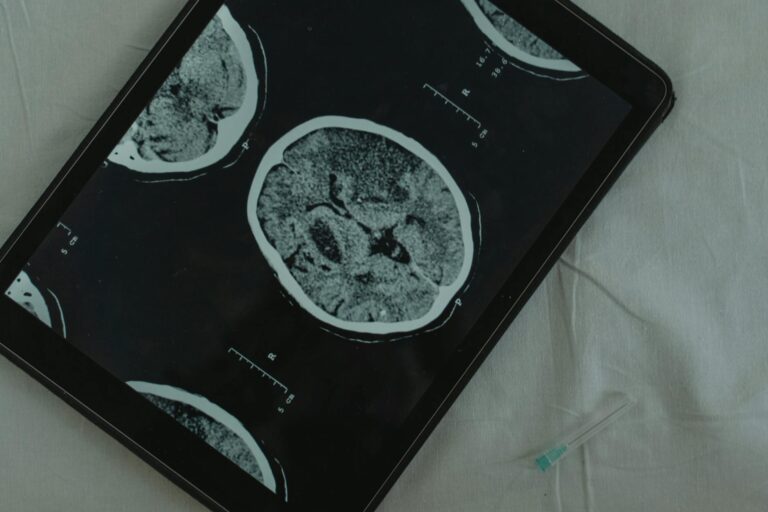
For readers of a brain health and dementia care site, the connection between losartan and cognitive health deserves particular attention. Chronic hypertension is one of the most well-established modifiable risk factors for dementia, including both vascular dementia and Alzheimer’s disease. High blood pressure damages the small blood vessels that supply the brain, leading to reduced blood flow, white matter lesions, and over time, measurable cognitive decline. The Lancet Commission on dementia prevention has repeatedly listed midlife hypertension as a key target for reducing dementia risk.
Losartan specifically has been studied for potential neuroprotective effects beyond simple blood pressure reduction. Some research has suggested that angiotensin II receptor blockers may have anti-inflammatory properties in the brain and could reduce amyloid-beta accumulation, though these findings are preliminary and not yet the basis for clinical recommendations. A notable observational study published in the Journal of Alzheimer’s Disease found that patients taking ARBs like losartan had lower rates of dementia diagnosis compared to those taking other classes of antihypertensives, though observational data cannot establish causation. The practical implication is clear: if you or a family member stopped taking losartan due to recall fears and did not switch to another blood pressure medication, the potential harm to brain health from uncontrolled hypertension is significant and compounding over time. Every month of untreated high blood pressure adds to cumulative vascular damage that cannot be fully reversed.
What Should You Do Right Now If You Take Losartan?
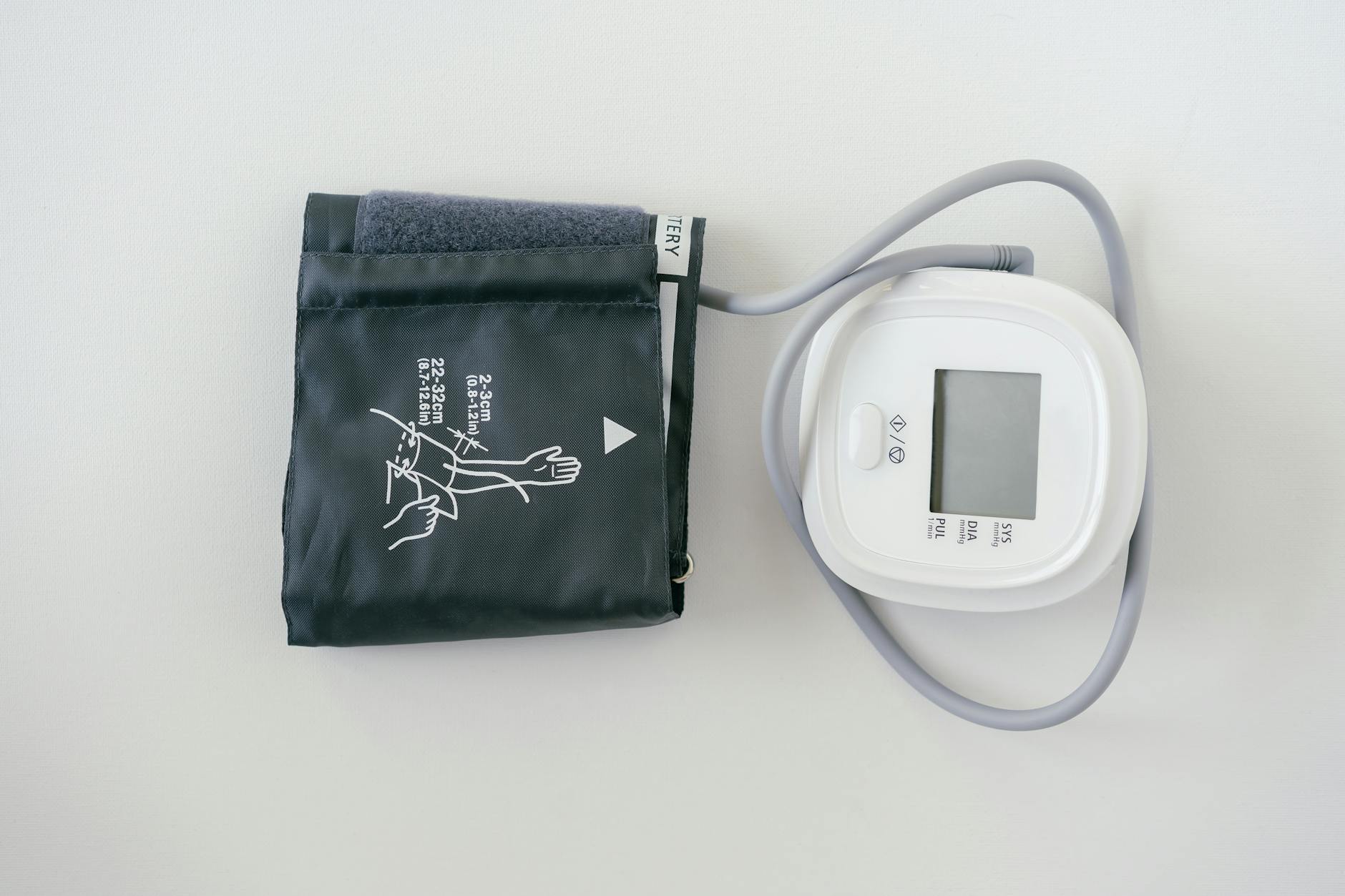
First, check your medication. Look at the manufacturer name and lot number on your prescription bottle and cross-reference it with the FDA’s recall database. Your pharmacist can do this for you in minutes. If your current supply is from a non-recalled lot — which is very likely if your prescription has been filled or refilled in the past couple of years — you can continue taking it as prescribed. Second, if you are uncomfortable continuing losartan regardless of recall status, talk to your doctor about alternatives. Other ARBs like valsartan (from a non-recalled manufacturer), irbesartan, or telmisartan work through similar mechanisms.
ACE inhibitors like lisinopril or ramipril are another option, though they carry a higher incidence of dry cough as a side effect. Calcium channel blockers like amlodipine are also effective and work through an entirely different pathway. The tradeoff with switching is that it may take time to find the right dose of a new medication, and your blood pressure may be suboptimally controlled during the transition. For someone with borderline control or additional risk factors like diabetes, this transition period is not trivial. Third, do not under any circumstances stop taking blood pressure medication without a replacement plan. This applies especially to older adults and people with a family history of stroke or dementia. Abrupt discontinuation of antihypertensives can cause rebound hypertension — a sudden spike in blood pressure that can trigger a hypertensive crisis, stroke, or heart attack.
The Broader Problem With Generic Drug Manufacturing and What It Means for You
The losartan recall was not an isolated incident. It was part of a larger reckoning with the global generic pharmaceutical supply chain. A significant portion of the world’s generic medications and active pharmaceutical ingredients are manufactured in India and China, where FDA oversight has historically been more limited than at domestic facilities. The nitrosamine contamination issue exposed gaps in quality control that affected multiple drug products across multiple manufacturers. This does not mean generic drugs are unsafe — generics undergo the same bioequivalence testing as brand-name drugs and are held to the same FDA standards.
But it does mean that supply chain integrity is an ongoing concern, and patients who take chronic medications should pay attention to manufacturer changes. If your pharmacy switches you to a different generic manufacturer (which is common, as pharmacies often source from whichever supplier offers the lowest cost), it is worth noting the change and checking whether that manufacturer has any history of quality issues. A practical limitation here is that most patients have little control over which generic manufacturer their pharmacy uses. You can ask your pharmacist to source from a specific manufacturer, but this is not always possible depending on supply agreements and availability. Brand-name Cozaar (the original losartan product from Merck) was not affected by the recalls, but it costs significantly more and may not be covered by insurance at the same tier.

What to Watch for in Ongoing Losartan Safety Updates
The FDA has continued to refine its testing requirements for nitrosamine impurities across the entire pharmaceutical industry, not just for ARBs. As of recent reports, manufacturers are required to test for these contaminants and maintain levels below established acceptable intake limits.
New recalls, while less frequent than during the 2018 to 2021 period, remain possible if future testing reveals problems. For practical purposes, signing up for FDA safety alerts at fda.gov is a simple step that takes a few minutes and ensures you receive email notifications about any new recalls affecting medications you take. If you are a caregiver managing medications for someone with dementia, adding this to your routine is especially valuable — the person you care for may not be in a position to track this information themselves.
The Future of Blood Pressure Management and Brain Health
Research into the relationship between antihypertensive treatment and dementia prevention continues to advance. The SPRINT MIND trial and its extensions have provided some of the strongest evidence to date that intensive blood pressure control (targeting systolic pressure below 120 mmHg rather than the traditional 140) may reduce the risk of mild cognitive impairment. While the dementia endpoint itself did not reach statistical significance in the original trial, the trend was promising and follow-up analyses have been encouraging.
Looking ahead, the question may not just be whether to treat blood pressure, but how aggressively and with which agents. If ARBs like losartan do turn out to have neuroprotective benefits beyond blood pressure reduction, that could influence treatment decisions for patients at elevated dementia risk. For now, the most important thing is simply ensuring that blood pressure is well controlled — with losartan or any other appropriate medication — and that recall fears do not lead to treatment gaps that quietly damage the brain over months and years.
Conclusion
The losartan recalls were a legitimate safety concern involving contaminated batches from specific manufacturers, not a condemnation of the drug itself. Losartan remains a safe, effective, and widely used blood pressure medication when sourced from manufacturers that meet FDA quality standards. If you are currently taking losartan, verify your lot number, talk to your pharmacist, and continue your medication unless your doctor advises otherwise.
For anyone concerned about dementia and brain health, the bigger risk is not the recall — it is untreated or undertreated high blood pressure. Every week without adequate blood pressure control contributes to vascular damage that raises dementia risk. Whether you stay on losartan or switch to an alternative, the critical step is to keep your blood pressure managed and to make that decision with your doctor rather than out of fear from a headline.
Frequently Asked Questions
Was all losartan recalled?
No. Only specific lots from specific manufacturers were recalled. The majority of losartan products on the market were never affected, and the drug itself remains FDA-approved and widely prescribed.
Should I stop taking losartan because of the recall?
Do not stop without consulting your doctor. The risk of uncontrolled blood pressure — including stroke and vascular dementia — typically outweighs the risk from the contamination. Your doctor can help you verify your lot number or switch medications if needed.
How do I check if my losartan was recalled?
Look at the manufacturer name and lot number on your prescription bottle and check the FDA’s drug recall database at fda.gov. Your pharmacist can also verify this for you quickly.
Can losartan help prevent dementia?
Losartan and other blood pressure medications help prevent dementia primarily by controlling hypertension, which is a major risk factor for vascular dementia and Alzheimer’s. Some early research suggests ARBs like losartan may have additional neuroprotective properties, but this has not been conclusively established.
What are alternatives to losartan if I want to switch?
Other ARBs (valsartan, telmisartan, irbesartan), ACE inhibitors (lisinopril, ramipril), and calcium channel blockers (amlodipine) are common alternatives. Each has different side effect profiles and your doctor can recommend the best fit.
Are generic drugs safe after this recall?
Generic drugs are held to the same FDA standards as brand-name drugs and remain safe overall. The recall exposed manufacturing quality issues at specific facilities, which have since been addressed through increased testing requirements and regulatory oversight.