Lion’s mane mushroom shows genuine promise for memory support, but the honest answer is more nuanced than supplement companies want you to believe. The best human evidence we have suggests it can improve mild cognitive impairment in older adults, based on a small but well-designed 2009 Japanese clinical trial where participants taking lion’s mane tablets for 16 weeks scored meaningfully higher on cognitive function tests than those on placebo. However, those gains disappeared after participants stopped taking the supplement, and we still lack large-scale, long-term studies confirming it can prevent or slow dementia in any clinically significant way.
That said, dismissing lion’s mane entirely would be a mistake. The mushroom contains two unique compounds, hericenones and erinacines, that stimulate nerve growth factor production in laboratory studies, a mechanism that no other common dietary supplement replicates in quite the same way. For families navigating early-stage cognitive decline or looking for low-risk complementary approaches alongside conventional treatment, lion’s mane is one of the more scientifically interesting options on the shelf. This article covers what the research actually shows, where the gaps are, how lion’s mane compares to other popular brain supplements, what dosages have been studied, and the practical concerns you should discuss with a doctor before starting.
Table of Contents
- What Does the Research Say About Lion’s Mane Mushroom and Memory?
- How Lion’s Mane Affects the Brain at the Cellular Level
- Lion’s Mane Versus Other Brain Health Supplements
- What Dosage of Lion’s Mane Has Been Studied for Cognitive Benefits?
- Safety Concerns and Who Should Be Cautious with Lion’s Mane
- What Caregivers Should Know Before Trying Lion’s Mane for a Loved One
- Where the Science Is Heading
- Conclusion
- Frequently Asked Questions
What Does the Research Say About Lion’s Mane Mushroom and Memory?
The landmark study most often cited is Mori et al., published in Phytotherapy Research in 2009. Thirty Japanese men and women aged 50 to 80, all diagnosed with mild cognitive impairment, were randomized to receive either 250mg lion’s mane tablets three times daily or a placebo for 16 weeks. The lion’s mane group showed statistically significant improvements on the Hasegawa dementia Scale at weeks 8, 12, and 16 compared to the placebo group. Critically, when researchers checked back four weeks after supplementation ended, the cognitive gains had already begun to fade. This is not the profile of a cure. It suggests ongoing use would be necessary to maintain whatever benefit exists, and we do not know the safety profile of years-long supplementation. Beyond that trial, most of the exciting findings come from animal and cell studies.
Rats fed lion’s mane extract have shown improved performance in maze tests, reduced amyloid-beta plaque accumulation, and enhanced hippocampal neurogenesis. A 2020 study in the Journal of Medicinal Food demonstrated that lion’s mane extract improved recognition memory in mice, and a more recent 2023 study from the University of Queensland identified a compound in lion’s mane called N-de phenylethyl isohericerin that boosted nerve growth and memory in mice by acting on the brain’s hippocampus. These are promising mechanisms, but rodent brains are not human brains, and the history of Alzheimer’s research is littered with compounds that worked brilliantly in mice and failed completely in people. There are a handful of other small human studies worth noting. A 2019 Japanese study found that cookies containing lion’s mane powder improved short-term cognitive scores in healthy adults, and a 2020 pilot study suggested possible benefits for people with early Alzheimer’s disease. But sample sizes were tiny, ranging from 12 to 50 participants, and methodology varied. No study has yet been conducted with hundreds or thousands of participants over multiple years, which is the standard we normally require before making firm clinical recommendations.
How Lion’s Mane Affects the Brain at the Cellular Level
The reason lion’s mane generates so much scientific interest, despite limited human data, is its unique mechanism of action. The mushroom produces bioactive compounds called hericenones, found in the fruiting body, and erinacines, found in the mycelium. Both have been shown to cross the blood-brain barrier and stimulate the synthesis of nerve growth factor, a protein essential for the survival, maintenance, and regeneration of neurons. This is not something you get from ginkgo biloba, omega-3 supplements, or most other products marketed for brain health. Nerve growth factor plays a central role in the cholinergic system, the same neural network targeted by drugs like donepezil and rivastigmine that are prescribed for Alzheimer’s disease. In theory, a supplement that boosts NGF production could support the same pathways these drugs are trying to preserve.
However, there is a critical limitation here. Stimulating NGF in a petri dish or even in a mouse is very different from achieving therapeutically relevant NGF increases in a human brain through an oral supplement. The dose that reaches the brain after digestion, liver metabolism, and blood-brain barrier crossing may be a fraction of what was used in cell studies. There is also the question of whether increased NGF production actually translates to functional memory improvement in a brain already affected by neurodegenerative disease. By the time most people receive a dementia diagnosis, significant neuronal loss has already occurred. NGF can support existing neurons and potentially encourage some regeneration, but it cannot rebuild networks that have been destroyed. For someone with mild cognitive impairment or very early-stage decline, the biological plausibility is much stronger than for someone with moderate-to-advanced dementia.
Lion’s Mane Versus Other Brain Health Supplements
When families ask about natural memory support, lion’s mane is usually compared against a few familiar names: ginkgo biloba, omega-3 fatty acids, phosphatidylserine, and Bacopa monnieri. Each has a different evidence profile. Ginkgo biloba has been studied extensively, including in the large GEM trial involving over 3,000 older adults, and was found to have no significant effect on preventing dementia or slowing cognitive decline. Omega-3s have better evidence for overall brain health and cardiovascular protection but have not shown consistent results specifically for memory improvement in people already experiencing decline. Bacopa monnieri is probably the closest comparison to lion’s mane in terms of evidence quality. Multiple randomized controlled trials in humans have found modest improvements in memory and attention, particularly in older adults, after 8 to 12 weeks of supplementation.
The evidence base for bacopa is actually somewhat deeper than for lion’s mane, with more human trials available. However, bacopa works through different mechanisms, primarily antioxidant activity and modulation of acetylcholine, serotonin, and dopamine, rather than NGF stimulation. Some clinicians and researchers have suggested that combining lion’s mane with bacopa could theoretically address multiple pathways, though no study has tested this combination. The honest assessment is that none of these supplements have evidence strong enough to replace conventional medical treatment for diagnosed cognitive disorders. Where lion’s mane stands out is its unique mechanism. If you are already doing everything your neurologist recommends and are looking for a complementary option with a plausible biological rationale and a favorable safety profile, lion’s mane is a reasonable choice to discuss with your care team.

What Dosage of Lion’s Mane Has Been Studied for Cognitive Benefits?
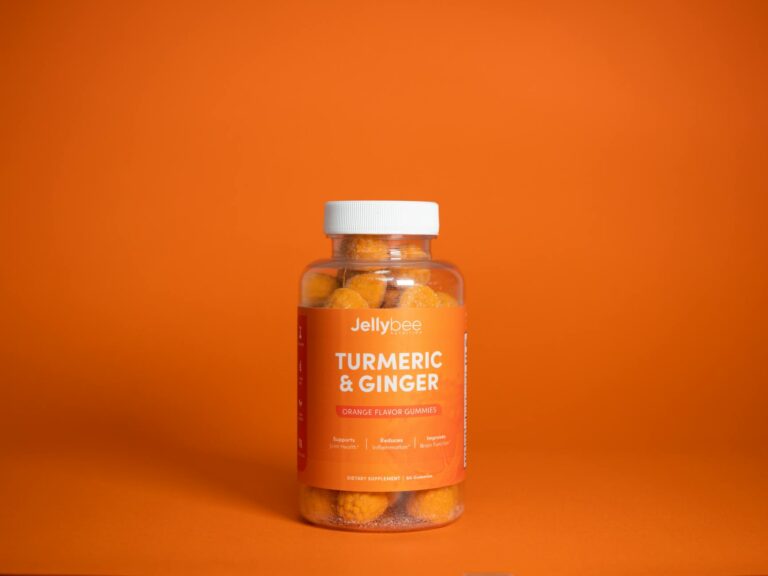
The Mori et al. trial used 250mg tablets of lion’s mane dry powder taken three times per day, totaling 750mg daily of a 96 percent pure fruiting body extract. This is the only dosage with direct clinical support for cognitive outcomes in humans. Many commercial supplements sell doses ranging from 500mg to 3,000mg per day, but those higher amounts have not been tested in rigorous cognitive trials. More is not necessarily better, and without dose-response studies, there is no evidence that 2,000mg works better than 750mg for memory. The form of the supplement matters considerably. Products made from the fruiting body, the actual mushroom cap, contain primarily hericenones.
Products made from mycelium, which is often grown on grain substrates in the US market, contain erinacines but may also contain a significant percentage of starch filler from the grain. A 2017 analysis by the supplement testing company Nammex found that some mycelium-on-grain products contained very low levels of the target bioactive compounds. If you are purchasing lion’s mane specifically for its NGF-stimulating properties, look for products that specify fruiting body extract, list beta-glucan content above 25 percent, and ideally provide a certificate of analysis from third-party testing. There is a practical tradeoff here. Fruiting body extracts tend to be more expensive. Hot-water extracts and dual extracts, which use both water and alcohol to pull out different compounds, are generally considered more bioavailable than raw dried powder in capsules. A person on a tight budget might opt for dried lion’s mane powder at a higher dose, while someone willing to invest more might choose a concentrated fruiting body dual extract at a lower dose. Neither approach has been proven superior for cognitive outcomes because the comparative research simply has not been done.
Safety Concerns and Who Should Be Cautious with Lion’s Mane
Lion’s mane has a strong overall safety record. It has been consumed as a culinary mushroom in East Asia for centuries, and the clinical trials conducted so far have reported no serious adverse effects. Common side effects in studies were limited to mild gastrointestinal discomfort in a small number of participants. However, there are specific populations that should exercise caution. People with mushroom allergies should avoid lion’s mane entirely, as cross-reactivity is possible. More importantly, anyone taking anticoagulant or antiplatelet medications, including warfarin, aspirin, or clopidogrel, should consult their physician before adding lion’s mane.
The mushroom contains compounds that may have mild blood-thinning properties, and the interaction potential has not been thoroughly studied. For someone with dementia who is already on multiple medications, adding any supplement without medical oversight is risky, not because lion’s mane is inherently dangerous, but because polypharmacy complications are a leading cause of hospitalization in older adults. There is also a concern that has not been widely discussed but deserves mention. Because lion’s mane stimulates nerve growth factor, there is a theoretical question about its safety in people with a history of certain cancers, since NGF can promote the growth of some tumor types. No study has demonstrated that oral lion’s mane supplementation increases cancer risk, and this remains a theoretical concern. But for individuals with active cancer or a recent cancer history, it is another reason to involve an oncologist in the decision.

What Caregivers Should Know Before Trying Lion’s Mane for a Loved One
If you are a caregiver considering lion’s mane for a parent or spouse with cognitive decline, the most important step is having a straightforward conversation with their neurologist or primary care physician. Bring the specific product you are considering, including the label and any third-party test results, and ask whether it could interact with their existing medications. A geriatric pharmacist can also be an excellent resource for evaluating supplement-drug interactions.
Set realistic expectations. Even in the most optimistic reading of the research, lion’s mane produced modest improvements in cognitive test scores in people with mild impairment, not dramatic reversals of memory loss. If a loved one has moderate-to-advanced Alzheimer’s, the biological plausibility for meaningful benefit is low. Where lion’s mane fits best is as one piece of a broader approach that includes physical exercise, social engagement, cognitive stimulation, proper nutrition, and adherence to prescribed medical treatments.
Where the Science Is Heading
Several larger clinical trials investigating lion’s mane for cognitive outcomes are underway or in planning stages as of early 2026, including studies exploring its effects in combination with other interventions like exercise programs and dietary modifications. The identification of specific active compounds, particularly N-de phenylethyl isohericerin from the 2023 Queensland research, has opened the door to more targeted pharmaceutical development rather than relying on whole-mushroom extracts with variable compositions. The next five years should tell us much more about whether lion’s mane can move from “promising preliminary evidence” to “recommended complementary intervention.” Until then, it remains in a category familiar to anyone following dementia research: biologically fascinating, clinically unproven at scale, and probably safe enough to try under medical supervision if you understand the limitations.
Conclusion
Lion’s mane mushroom is not a miracle cure for memory loss, and anyone selling it as one is not being honest with you. What it is, based on the current evidence, is a supplement with a genuinely interesting biological mechanism, limited but positive results in small human trials, and a good safety profile for most people. The nerve growth factor stimulation pathway sets it apart from other brain health supplements, even if we cannot yet confirm that this mechanism produces clinically meaningful benefits when delivered through an oral supplement.
If you or a loved one is dealing with mild cognitive impairment or early-stage memory concerns, lion’s mane is worth discussing with your healthcare team as a potential complementary approach. Choose a quality product made from fruiting body extract, start with a dosage consistent with what has been studied, and do not treat it as a replacement for established medical care, physical exercise, or social engagement. Keep watching the research. The science is not settled, but it is heading somewhere worth following.
Frequently Asked Questions
How long does it take for lion’s mane to affect memory?
In the primary clinical trial, measurable improvements appeared at the 8-week mark and continued through 16 weeks of daily use. Most practitioners who recommend lion’s mane suggest giving it at least two to three months before evaluating whether it is making a noticeable difference.
Can lion’s mane reverse Alzheimer’s disease?
No. There is no evidence that lion’s mane can reverse Alzheimer’s disease or any other form of dementia. The existing research suggests possible modest benefits for mild cognitive impairment, which is an earlier and less severe condition than Alzheimer’s dementia.
Is lion’s mane safe to take with Alzheimer’s medications like donepezil?
There are no documented interactions between lion’s mane and common Alzheimer’s drugs, but this has not been formally studied. Because both lion’s mane and cholinesterase inhibitors like donepezil affect similar neural pathways, you should have your physician or pharmacist review the combination before starting.
Does cooking lion’s mane destroy its brain health compounds?
Heat can break down some bioactive compounds, but hericenones appear to be relatively heat-stable. Hot-water extraction is actually one of the standard methods for producing concentrated lion’s mane supplements. Eating fresh lion’s mane as a culinary mushroom is nutritious but likely delivers lower concentrations of the target compounds than a concentrated extract.
Should I choose fruiting body or mycelium lion’s mane supplements?
For cognitive benefits specifically, fruiting body extracts have more direct research backing and typically contain higher concentrations of hericenones. Mycelium products contain erinacines, which also stimulate NGF, but products grown on grain may be diluted with starch. Look for products that disclose their beta-glucan content and provide third-party testing.