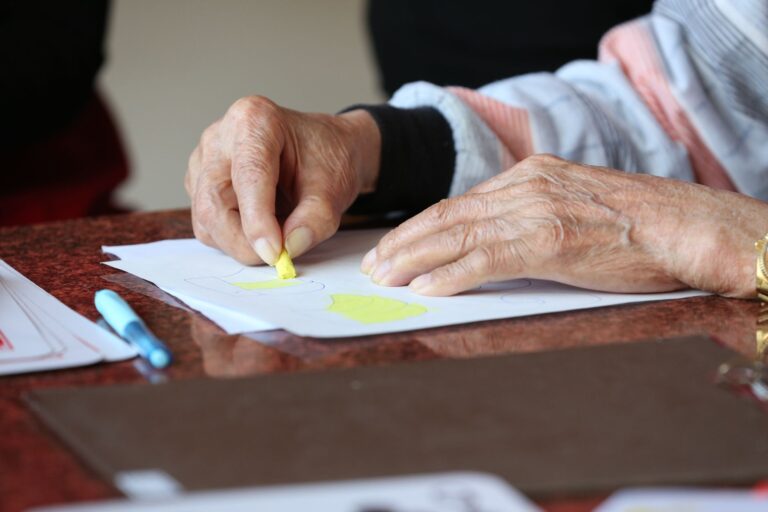
Leqembi IQLIK injection training teaches caregivers how to give weekly under-the-skin shots, watch for brain swelling or bleeding, and get urgent help fast. Leqembi Iqlik is a once-weekly autoinjector form of lecanemab-irmb for early Alzheimer's disease with confirmed amyloid buildup.
Training does not replace medical supervision. At least the first two doses happen under provider guidance, with device-only teaching from a Nurse Educator. Caregivers still handle site choice, symptom checks, and calls between visits.
Medical information disclaimer: This article is for general educational purposes only and does not provide medical advice, diagnosis, or treatment. Always consult a physician or other qualified health professional about symptoms, medications, tests, or treatment decisions.
Table of Contents
- Who can receive this drug?
- How do caregivers learn the shot?
- What is the boxed safety warning?
- What monitoring must stay on schedule?
- When should caregivers call now?
Who can receive this drug?
Leqembi is only for mild cognitive impairment or mild dementia of Alzheimer's disease with confirmed amyloid-beta pathology, according to the DailyMed label in the current prescribing information. That limit matters for families. Moderate or advanced dementia does not qualify.
Amyloid confirmation comes before the first shot. ApoE ε4 testing is also required before starting to inform risk, according to Eisai U.S. People with two copies of ApoE ε4 face much higher rates of symptomatic and severe ARIA.
How do caregivers learn the shot?
The starting dose is 500 mg weekly as two 250-mg injections, while maintenance after 18 months is 360 mg weekly in one autoinjector. Patients or caregivers inject under the skin of the abdomen or front thigh. The back of the upper arm is allowed only when a caregiver or clinician gives it.
At least the first two Iqlik doses are given under healthcare-provider guidance, plus in-person or virtual Nurse Educator training on the device only. Use those sessions to practice hold time, skin pinch, site rotation within the allowed areas, and what to do if a dose seems incomplete. Ask the prescribing team, not the device trainer, about symptoms and scans.
What is the boxed safety warning?
The FDA label carries a boxed warning that lecanemab can cause ARIA-E swelling or fluid and ARIA-H tiny bleeds or iron deposits, including fatal events and serious brain bleeds over 1 cm, according to the DailyMed label in the current prescribing information. ARIA means amyloid-related imaging abnormalities. Many cases show on MRI before the person feels different.
Blood thinners raise the danger. Brain-bleed incidence was 2.5 percent with anticoagulant plus Leqembi versus 0.6 percent without antithrombotic, according to Eisai and Biogen in the availability announcement. Keep a current list of prescription blood thinners, aspirin, antiplatelet drugs, NSAIDs, and supplements. Review any new prescription or fall with the provider right away.
What monitoring must stay on schedule?
Monitoring requires a recent baseline brain MRI plus scheduled surveillance MRIs and enhanced vigilance for ARIA during the first 14 weeks. Missing a scan can delay detection of swelling or bleeding. Keep the MRI appointments even when the person feels well.
Track behavior in plain words between scans. Note date, time, and exact change, such as new confusion, unsteady walking, or slurred words. Bring that log, the shot dates and sites, and the medication list to every visit.
When should caregivers call now?
Call the provider or go to the emergency room immediately for these signs: Do not wait to see whether the symptom fades after the weekly shot. Tell emergency staff that the person takes lecanemab and may have ARIA. Bring the MRI schedule and anticoagulant list.
- headache, dizziness, nausea, or vision changes
- confusion, gait difficulty, weakness, or speech difficulty
- seizure