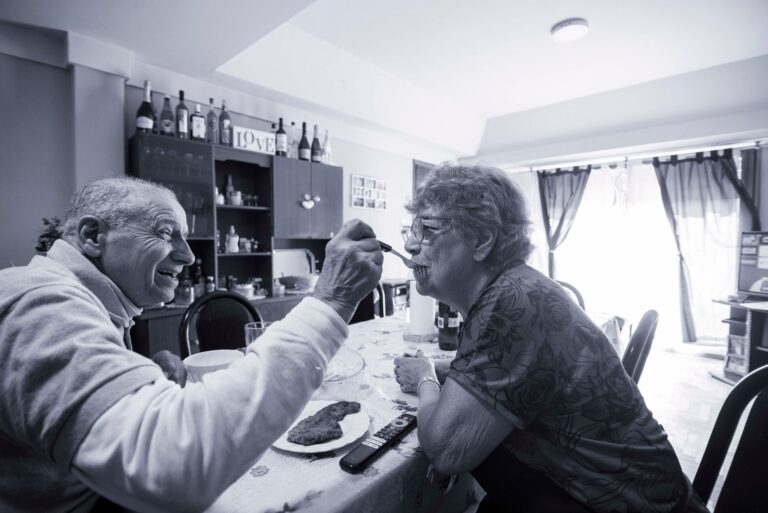
Learning a new skill is linked to lower Alzheimer's risk, but learning alone does not prevent the disease. Lifelong mental activity plus blood pressure, exercise, hearing, and social care offers the best-supported path. Alzheimer's dementia means memory and thinking loss severe enough to interfere with daily life. Cognitive enrichment means frequent mentally stimulating activity over years, not one class or puzzle book.
Medical information disclaimer: This article is for general educational purposes only and does not provide medical advice, diagnosis, or treatment. Always consult a physician or other qualified health professional about symptoms, medications, tests, or treatment decisions.
Table of Contents
- What does lifelong learning offer the brain?
- Can brief brain training lower dementia risk?
- Where are the limits of the evidence?
- What practical next steps lower overall risk?
What does lifelong learning offer the brain?
Adults with the highest lifetime cognitive enrichment had a 38% lower risk of developing Alzheimer's dementia than those with the lowest, in a study of 1,939 people averaging age 80 without dementia at baseline, according to Medical Xpress reporting the Rush University study in Medical Xpress report on the Rush study. The comparison tracked total enrichment, not a single hobby. That enrichment reflected stimulating activity across childhood, midlife, and later life, including reading, writing, and learning new languages, as described by the Fisher Center for Alzheimer's Research Foundation. It was also linked to slower cognitive decline.
Language learning is one example, not the whole effect. A practical takeaway is consistency. A reader who reads daily, writes often, takes a language course, and stays curious builds the pattern tied to benefit. Short bursts help less than repeated use over years.
Can brief brain training lower dementia risk?
Older adults who received computerized speed-of-processing training plus booster sessions were 25% less likely to receive a dementia diagnosis over the next two decades in the ACTIVE trial of 2,832 participants, according to UF Health reporting the University of Florida result in UF Health report on the ACTIVE trial. Speed-of-processing training means fast visual attention exercises on a computer. The durable benefit came from at most about 18 sessions over three years, UF Health reported from the same trial.
Earlier follow-ups also showed fewer difficulties with daily tasks and fewer motor-vehicle crashes. That is a small dose for a long signal. Investigators called this one of the first large randomized-trial results showing any intervention lowering incidence of Alzheimer's and related dementias, UF Health reported. Randomized trials assign people by chance, so they test cause more strongly than observation.
Where are the limits of the evidence?
Observational learning-dementia links show association only and do not prove that lifelong learning prevents Alzheimer's disease, Medical Xpress noted in reporting the Rush study. People with more learning often differ in income, health care, hearing, and vascular risk. An NIA-requested National Academies review found cognitive training, blood-pressure control, and physical activity had encouraging but inconclusive randomized-trial evidence, insufficient for a public-health campaign, as reported by the National Academies through EurekAlert in EurekAlert report on the National Academies review.
Encouraging means worth further study, not proven for everyone. For families, this means treating classes and apps as part of brain care, not insurance. Choose programs that suit vision, hearing, mood, and schedule. Stop any program that causes frustration, fatigue, or cost strain.
What practical next steps lower overall risk?
Address learning alongside the 2024 Lancet Commission's 14 modifiable factors, estimated to account for about 45% of dementia cases population-wide, according to the BrightFocus Foundation summary of the commission in BrightFocus Foundation summary of the Lancet Commission. Those factors include education, hearing loss, inactivity, isolation, hypertension, and diabetes.
Learning works best when the brain can hear, move, sleep, and connect. A new skill plus a hearing check, walking plan, and regular contact covers more risk than puzzles alone.
- Pick one skill with weekly practice: conversational Spanish, piano basics, creative writing, or basic coding.
- Pair it with one vascular step: blood-pressure check, diabetes care visit, or brisk walks most days.
- Fix hearing and social gaps: get hearing tested, use hearing aids if prescribed, and join a class or club.
- Track function, not scores: note daily tasks, driving confidence, mood, and sleep, then share changes with a clinician.