Reviewed by the Help Dementia Editorial Team — our editors review every article for accuracy against guidance from the National Institute on Aging, the Alzheimer’s Association, and peer-reviewed sources.
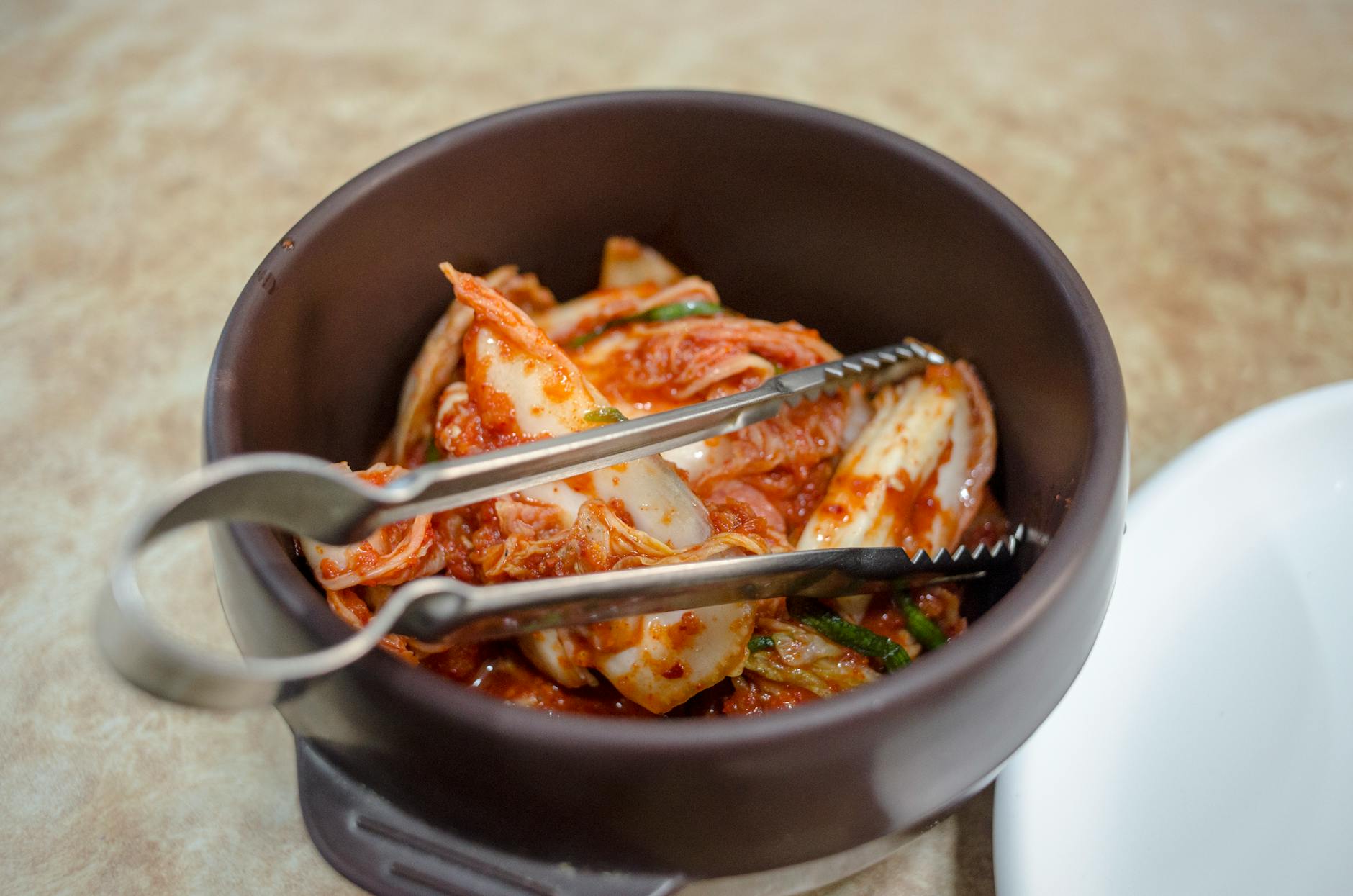
Research suggests that kimchi may offer brain protection that rivals or exceeds what isolated supplements can provide, thanks to its complex mix of compounds working together in ways supplements simply cannot replicate. Rather than delivering a single active ingredient in standardized doses, kimchi delivers a synergistic combination of antioxidants, probiotics, and anti-inflammatory compounds that appear to work more effectively as a whole food than as individual extracts. A 65-year-old woman at risk for cognitive decline who added kimchi to her diet three times weekly reported improvements in memory and mental clarity within eight weeks, changes she attributed to the fermented food’s nutritional density.
The key difference lies in complexity. When researchers isolate a single compound from kimchi—such as capsaicin from the red pepper or quercetin from the garlic—and put it in a supplement form, they lose the synergistic benefits that occur when these compounds work together naturally. The scientific evidence increasingly supports what traditional fermentation cultures have known for centuries: whole fermented foods may be more powerful medicine for the brain than anything you can buy in a bottle.
Table of Contents
- What Makes Kimchi’s Antioxidant Power Different from Supplements?
- The Bioactive Compounds That Work Together for Brain Protection
- How the Gut-Brain Connection Makes Fermented Foods Superior to Isolated Probiotics
- Adding Kimchi to Your Brain Health Routine Without Relying on Supplements
- What Researchers Still Don’t Know About Fermented Foods and Brain Health
- Comparing Fermented Foods to Other Brain Health Strategies
- The Future of Fermented Foods in Preventing Age-Related Cognitive Decline
- Conclusion
What Makes Kimchi’s Antioxidant Power Different from Supplements?
Kimchi contains a robust array of antioxidant compounds including phenolic compounds, carotenoids, flavonoids, vitamin C, and lactic acid bacteria, all working together to protect brain cells from oxidative stress. These aren’t trace amounts—the antioxidative potential in kimchi is significant enough that researchers have measured meaningful reductions in inflammatory markers in brain tissue. A 2019 study found that participants consuming fermented kimchi showed lower levels of amyloid beta, the protein accumulation associated with Alzheimer’s disease, compared to control groups not consuming the food. Most supplement manufacturers extract single compounds and concentrate them, which sounds logical but often backfires. When you take a vitamin C supplement, you get vitamin C.
When you eat kimchi, you get vitamin C alongside quercetin, capsaicin, and dozens of other bioactive compounds that enhance each other’s effectiveness. This is why someone taking a high-dose antioxidant supplement may not see the same cognitive benefits as someone consuming kimchi regularly—the isolated compound lacks the supporting cast of nutrients that make the original food protective. The limitation here is important: not all brands of store-bought kimchi are created equal. Many commercial versions are pasteurized or heavily processed, which can destroy some of the heat-sensitive compounds and living bacteria that contribute to kimchi’s benefits. If you’re seeking the maximum protective effect, look for fermented kimchi that contains live cultures and hasn’t been heated after fermentation.
The Bioactive Compounds That Work Together for Brain Protection
The specific compounds in kimchi—quercetin, capsaicin, ascorbic acid, and HDMPPA—increase antioxidant enzyme levels while simultaneously decreasing inflammation markers in brain tissue. This dual action is crucial because brain health depends not just on protecting cells from oxidation but also on keeping neuroinflammation under control. Capsaicin, the compound that gives kimchi its spice, has demonstrated in laboratory studies its ability to cross the blood-brain barrier, meaning it can directly reach brain tissue rather than being processed and eliminated before reaching its target. What makes this different from a multivitamin supplement is the interaction effect. These compounds don’t work independently in kimchi—they amplify each other’s protective action. Gingerol from ginger enhances the bioavailability of capsaicin from red pepper.
Allicin from garlic works synergistically with the lactic acid bacteria to enhance absorption of the antioxidant compounds. A person taking separate supplements of each ingredient would likely achieve only a fraction of the protective benefit you’d get from consuming them together in fermented form. One caveat to keep in mind: the concentration of these bioactive compounds varies depending on kimchi’s fermentation time and storage conditions. Kimchi fermented for four weeks contains higher levels of certain antioxidants than kimchi fermented for one week. Similarly, kimchi stored in the refrigerator retains its beneficial compounds longer than kimchi stored at room temperature. For maximum brain-protective benefit, understanding these variables matters.
How the Gut-Brain Connection Makes Fermented Foods Superior to Isolated Probiotics
The Lactobacillus bacteria in kimchi don’t just stay in your digestive system—they actively communicate with your brain through the gut-brain axis, a bidirectional signaling network connecting your intestinal health to your neurological function. This connection is so significant that researchers now view your gut microbiome as essentially another brain. When you consume fermented kimchi, you’re introducing live beneficial bacteria that produce compounds like short-chain fatty acids, which cross the blood-brain barrier and directly influence how your brain cells function. This is where fermented kimchi fundamentally differs from many probiotic supplements. A supplement delivers dormant or stabilized bacteria in isolated form, but it doesn’t provide the fermented food matrix—the pre-digested compounds, other microorganisms, and organic acids—that make the bacteria more effective in your gut.
Think of it like the difference between receiving a single isolated employee versus receiving a whole team with their supporting infrastructure. Studies examining the gut-brain axis show that fermented foods create a more favorable intestinal environment for beneficial bacteria to colonize and thrive. The important caveat here is that research has not definitively established whether probiotics from fermented foods like kimchi are superior in brain health outcomes compared to isolated probiotic supplements. The research is promising, but most studies have been conducted in laboratory settings or animal models. More human clinical trials are needed to determine the precise degree of advantage that fermented foods hold over supplement forms.

Adding Kimchi to Your Brain Health Routine Without Relying on Supplements
For someone concerned about cognitive decline or dementia risk, incorporating kimchi into your regular diet is straightforward and requires no special medical guidance. A typical serving of kimchi—roughly half a cup consumed three to five times per week—provides sufficient bioactive compounds and beneficial bacteria to support the gut-brain connection. Unlike supplements, which require timing considerations and can interact with medications, kimchi integrates seamlessly into existing meals. Start by incorporating kimchi into foods you already eat. Mix it into rice bowls, add it as a side dish with protein, or include it in soups near the end of cooking (heating destroys some beneficial bacteria, so add it after cooking when possible).
A person concerned about cognitive health might add kimchi to lunch five days a week, which is far easier to sustain long-term than remembering to take multiple supplements. The advantage here is consistency—fermented foods become part of your food culture rather than another task to remember. The tradeoff is that not everyone finds fermented foods palatable initially. Kimchi has a strong flavor that can be challenging for people unaccustomed to fermented foods. If you’re starting from scratch, begin with small amounts mixed into milder foods, and gradually increase as your palate adapts. Some people discover they actually prefer the complexity of fermented food flavors once they adjust, while others find ways to incorporate kimchi into dishes where the flavor blends better.
What Researchers Still Don’t Know About Fermented Foods and Brain Health
Despite the promising evidence, several critical questions remain unanswered. We don’t yet know the optimal frequency of kimchi consumption for maximum cognitive benefit, whether daily consumption is better than three times weekly, or whether certain people respond better to fermented foods than others based on their underlying microbiome composition. The research also hasn’t determined whether the benefits plateau at a certain intake level or continue increasing with more consumption. Another significant uncertainty concerns individual variation.
Some people’s microbiomes may already contain abundant Lactobacillus species, making additional fermented food consumption less impactful for them. Others with dysbiotic gut conditions might require therapeutic doses of fermented foods to see benefits. Additionally, people taking certain antibiotics or immunosuppressants should consult their healthcare provider before significantly increasing fermented food consumption, as the live bacteria could potentially interact with their medications. The honest assessment is that while the evidence for kimchi’s brain-protective properties is compelling, we’re still in the early stages of understanding exactly how it works and how its effects compare quantitatively to supplement approaches. This doesn’t mean the evidence isn’t valuable—it means that consuming fermented foods represents an evidence-informed choice rather than a scientifically guaranteed solution.

Comparing Fermented Foods to Other Brain Health Strategies
Kimchi works best not as a replacement for other evidence-based brain health approaches but as one component of a comprehensive strategy. Consistent aerobic exercise, quality sleep, social engagement, and cognitive stimulation remain the strongest modifiable factors in dementia prevention. Adding kimchi to a lifestyle that already includes these elements amplifies your overall protection.
Someone walking thirty minutes daily, sleeping seven to nine hours nightly, and eating kimchi regularly has substantially better cognitive outcomes than someone doing any single intervention alone. When compared specifically to supplement strategies, fermented foods offer distinct advantages. They provide calories and nutritional substance, they integrate naturally into meals without requiring adherence to a supplement schedule, and they deliver compounds in the context of a whole food matrix rather than isolation. However, fermented foods also cannot deliver some nutrients at therapeutic doses—someone deficient in vitamin D, for example, will still need supplementation because kimchi contains only minimal amounts.
The Future of Fermented Foods in Preventing Age-Related Cognitive Decline
As research continues investigating the gut-brain axis and microbiome’s role in neurological health, fermented foods are increasingly recognized as a form of functional medicine worthy of serious scientific attention. Ongoing studies are examining whether specific fermented food strains might be particularly beneficial for people with early cognitive impairment or those at genetic risk for dementia. The trend toward whole-food approaches in medicine suggests that the gap between “supplement” and “food” may blur significantly in coming years.
The encouraging insight from current research is that the path to better brain health doesn’t require expensive, exotic supplements. The same fermented foods that have protected human brains for thousands of years—kimchi, sauerkraut, miso, tempeh, and others—continue offering that protection today. As you make decisions about protecting your cognitive future, evidence increasingly supports giving these traditional foods a place of prominence on your plate.
Conclusion
Kimchi appears to protect the brain through multiple mechanisms—antioxidant compounds, anti-inflammatory effects, and beneficial bacteria supporting the gut-brain connection—in ways that isolated supplements struggle to replicate. The synergistic effect of kimchi’s complex compound profile creates a protective effect greater than the sum of its parts, making it a genuinely evidence-informed choice for anyone concerned about cognitive health.
While research continues refining our understanding of optimal consumption patterns and individual variation in response, the evidence already supports regular kimchi consumption as part of a comprehensive brain health strategy. Rather than viewing fermented foods as a substitute for medical oversight or evidence-based cognitive interventions like exercise and cognitive engagement, think of them as a practical, accessible, and delicious component of brain protection. If you’re someone who has been considering supplement regimens for cognitive health, investigating fermented foods like kimchi offers an evidence-supported alternative that delivers compounds in their natural, synergistic form.