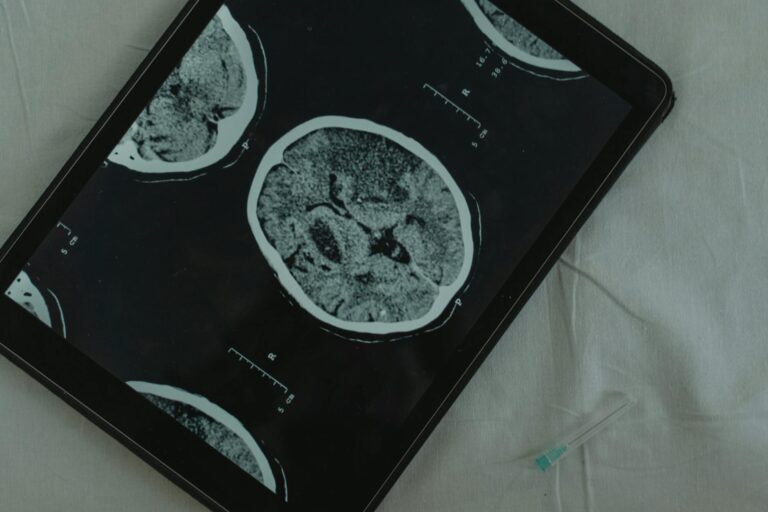
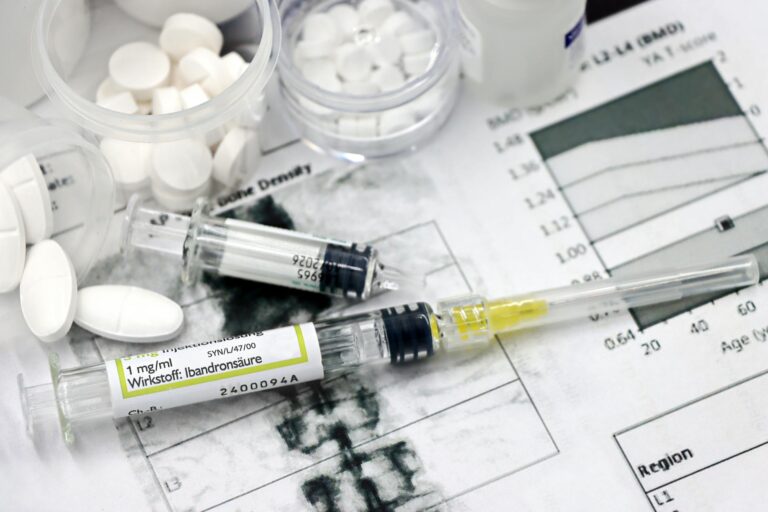
Piracetam has a long history of use in Europe and parts of Asia as a treatment for age-related cognitive decline, and the evidence suggests it provides modest but real benefits for some older adults — particularly those experiencing early-stage memory problems or cognitive slowing associated with aging. It is not a cure for dementia, and it does not halt neurodegeneration, but several decades of clinical research indicate it can improve memory consolidation, mental clarity, and processing speed in older patients. That said, its effectiveness varies considerably depending on the individual, the severity of cognitive impairment, and the underlying cause. For context, consider an 74-year-old patient in Germany who begins experiencing difficulty retaining new information — names, appointments, recent conversations.
Their physician prescribes piracetam as part of a broader cognitive support protocol. Over several months, the patient reports improved word recall and less mental fog. This kind of outcome, replicated across dozens of clinical trials, forms the backbone of piracetam’s reputation. This article examines what the research actually shows, how piracetam works, who it may help most, what the risks are, how it compares to other options, and what older adults and caregivers should know before considering it.
Table of Contents
- What Does the Research Say About Piracetam and Cognitive Decline in Older Adults?
- How Does Piracetam Work in the Aging Brain?
- Who Is Most Likely to Benefit from Piracetam?
- Piracetam Versus Other Cognitive Enhancers — How Does It Compare?
- Safety, Side Effects, and Risks for Older Adults
- Regulatory Status and Access — What Older Adults Need to Know
- The Future of Piracetam Research and Where It Fits in Modern Dementia Care
- Conclusion
- Frequently Asked Questions
What Does the Research Say About Piracetam and Cognitive Decline in Older Adults?
The clinical literature on piracetam spans more than five decades, beginning in the 1970s when Romanian chemist Corneliu Giurgea first synthesized the compound. Early trials showed promising results in elderly patients with memory complaints, and subsequent studies in the 1980s and 1990s expanded the evidence base. A widely cited Cochrane review published in 2001 analyzed 19 randomized controlled trials involving piracetam for cognitive impairment and dementia. The authors concluded there was promising evidence of benefit but that the quality of the trials was too inconsistent to draw firm conclusions. More recent meta-analyses have been somewhat more definitive. Studies specifically targeting older adults with mild cognitive impairment — that gray zone between normal aging and diagnosable dementia — have shown improvements in verbal memory, attention, and psychomotor speed compared to placebo groups.
One Italian multicenter trial found that patients with age-associated memory impairment who took piracetam at 2.4 grams per day over 12 weeks performed significantly better on standardized memory tests than those on placebo. The effect sizes, though, are moderate. Piracetam is not producing dramatic reversals of cognitive loss; it is nudging performance in a positive direction. The important caveat here is that much of the foundational research on piracetam was conducted before modern diagnostic standards for dementia subtypes were established. This means older studies often grouped together patients who today would be classified as having Alzheimer’s disease, vascular dementia, or mixed presentations. Effectiveness appears to differ across these groups, which complicates any blanket claim about what piracetam does or does not do for cognitive decline broadly.

How Does Piracetam Work in the Aging Brain?
Piracetam belongs to a class of compounds called racetams and is considered the original nootropic — a term Giurgea himself coined. Its precise mechanism of action is still not fully understood, but researchers have identified several pathways through which it appears to affect brain function. Chief among these is its ability to modulate AMPA receptors, which are involved in fast excitatory neurotransmission and play a central role in synaptic plasticity, the process underlying learning and memory formation. Piracetam also appears to improve the fluidity of neuronal membranes, which tends to decrease with age, and enhances mitochondrial function in brain cells. Another well-documented mechanism involves cerebral blood flow. Piracetam reduces red blood cell aggregation and improves microcirculation in the brain.
This is particularly relevant for older adults because reduced cerebral perfusion is a significant contributor to age-related cognitive slowing and is a central feature of vascular cognitive impairment. A patient with mild vascular damage — the kind that doesn’t show clearly on imaging but impairs daily thinking — may benefit more from piracetam’s circulatory effects than from its direct neurochemical actions. However, if the cause of cognitive decline is primarily structural — for instance, significant hippocampal atrophy due to advanced Alzheimer’s disease — piracetam’s ability to modulate neurotransmission or improve blood flow offers limited help. The drug cannot regenerate neurons that have already been lost. This is why patient selection matters enormously. Piracetam appears most effective in the earlier stages of cognitive change, when the underlying neural architecture is still largely intact and functional enhancement is still possible.
Who Is Most Likely to Benefit from Piracetam?
The strongest candidates for piracetam therapy are older adults experiencing what clinicians call age-associated memory impairment or mild cognitive impairment without a clearly identified neurodegenerative cause. These are individuals who notice they are forgetting more than they used to, who feel mentally slower, but who do not yet meet the diagnostic criteria for Alzheimer’s or another dementia syndrome. Research consistently shows this population responds better to piracetam than patients with moderate-to-severe dementia. Patients with vascular risk factors — high blood pressure, a history of small strokes, diabetes — represent another group that may benefit disproportionately.
Given piracetam’s hemorheological effects (its ability to reduce blood viscosity and clumping), it addresses one of the key underlying problems in vascular cognitive impairment. A 70-year-old with a history of hypertension who begins experiencing executive function difficulties may find piracetam helps stabilize or mildly improve day-to-day cognition. Some European physicians have used it specifically in post-stroke rehabilitation protocols, though this application remains off-label in most countries. Conversely, patients with Lewy body dementia or frontotemporal dementia have very little evidence supporting piracetam use, and some of the neurochemical mechanisms involved in those conditions may not interact favorably with piracetam’s AMPA modulation. Caregivers and clinicians should not assume that because piracetam helps one type of cognitive problem, it applies universally across all dementia presentations.

Piracetam Versus Other Cognitive Enhancers — How Does It Compare?
For older adults and their families weighing options, piracetam exists alongside a growing list of compounds marketed or prescribed for cognitive support. The comparison that matters most clinically is between piracetam and the acetylcholinesterase inhibitors — donepezil, rivastigmine, and galantamine — which are the FDA-approved standard of care for Alzheimer’s disease. These drugs work through a fundamentally different mechanism: they slow the breakdown of acetylcholine, a neurotransmitter depleted early in Alzheimer’s. Head-to-head data is limited, but the acetylcholinesterase inhibitors have a stronger evidence base specifically for Alzheimer’s than piracetam does. However, piracetam has a notably more favorable side effect profile. The cholinesterase inhibitors commonly cause nausea, diarrhea, vivid dreams, muscle cramps, and significant GI distress, which leads many elderly patients to discontinue them.
Piracetam, by contrast, is generally well tolerated. Its most common side effects — mild agitation, insomnia, and occasional headache — are less frequent and less disruptive. For patients who cannot tolerate the GI effects of donepezil or rivastigmine, piracetam is sometimes used as an alternative, though this is more common in Europe than in the United States where piracetam is not FDA-approved. The comparison with over-the-counter supplements is also instructive. Products like ginkgo biloba, phosphatidylserine, and lion’s mane mushroom are heavily marketed for brain health, but their evidence base is thinner and more inconsistent than piracetam’s pharmaceutical-grade research. Piracetam has been tested in proper randomized controlled trials with standardized dosing; most supplements have not. That said, piracetam is a pharmaceutical compound requiring a prescription in most countries, and its regulatory status varies widely — something that matters practically for access.
Safety, Side Effects, and Risks for Older Adults
Piracetam is generally considered safe for older adults when used at therapeutic doses — typically between 1.6 and 4.8 grams per day in divided doses — but several risks deserve attention. Because piracetam affects blood viscosity and platelet aggregation, it carries a meaningful interaction risk with anticoagulant and antiplatelet medications. An elderly patient already taking warfarin, clopidogrel, or even daily low-dose aspirin may experience an increased bleeding tendency if piracetam is added to their regimen. This is not a theoretical concern — case reports of prolonged bleeding have been documented in patients on combination therapy. Kidney function is another consideration. Piracetam is cleared almost entirely by the kidneys, and older adults frequently have reduced renal clearance even when standard kidney function tests appear normal.
In patients with significant renal impairment, piracetam can accumulate to levels that increase the risk of central nervous system side effects, including confusion, agitation, and in rare cases, involuntary movements. Dose reduction is necessary in this population, but it requires monitoring that is sometimes overlooked when piracetam is obtained without direct physician oversight. A warning worth stating clearly: piracetam is sold online without prescription through various supplement and nootropic retailers, often at high doses without clear dosing guidance. Older adults purchasing it through these channels are taking on real risk — not only from drug interactions but from variable product quality and the absence of medical oversight. For a younger, healthy person experimenting with cognitive enhancement, this risk profile may be acceptable. For a 78-year-old on multiple medications, it is not.

Regulatory Status and Access — What Older Adults Need to Know
Piracetam’s regulatory status is a patchwork. In Germany, the United Kingdom, and many other European countries, it is approved as a prescription medication for cognitive impairment. In the United States, it occupies a gray area: it is not FDA-approved, not classified as a controlled substance, but also not legal to sell as a dietary supplement. The FDA has sent warning letters to companies marketing it as a supplement.
In Canada, it has no approved status but is not scheduled. In practice, this means American patients who want piracetam either obtain it from overseas pharmacies — a legally uncertain approach — or go without. For families navigating dementia care in the U.S., this regulatory reality often means piracetam is simply not on the table unless they seek out physicians who are willing to prescribe it off-label or import it themselves. The contrast with European care is stark: a German geriatrician can routinely prescribe piracetam as a first-line cognitive support measure; an American counterpart must work around a system that offers no approved pathway for the drug at all.
The Future of Piracetam Research and Where It Fits in Modern Dementia Care
Interest in piracetam has not disappeared, but it has been somewhat eclipsed in research circles by newer racetam derivatives — aniracetam, oxiracetam, pramiracetam — which have been developed in part to improve on piracetam’s potency and pharmacokinetic profile. Whether these newer compounds will eventually displace piracetam in clinical practice remains to be seen. For now, the decades of accumulated safety and efficacy data still give piracetam a certain credibility that newer alternatives lack.
The broader trend in cognitive decline research is moving toward combination approaches — addressing inflammation, metabolic health, sleep quality, and cardiovascular risk alongside any pharmaceutical intervention. Within that framework, piracetam is best understood as one tool among many rather than a standalone solution. For families and clinicians thinking carefully about cognitive aging, it deserves a place in the conversation, particularly for patients in the mild impairment range who want a pharmaceutical option with a long track record and a relatively benign safety profile.
Conclusion
Piracetam does offer meaningful cognitive benefits for some older adults, particularly those in the early stages of age-related memory decline or mild cognitive impairment with a vascular component. The evidence base, while not without limitations, is substantially larger and more rigorous than what exists for most over-the-counter brain health products. It works through multiple mechanisms — membrane fluidity, AMPA modulation, and cerebral microcirculation — that are relevant to the specific ways the aging brain loses efficiency. It is not a treatment for advanced Alzheimer’s disease, and it is not a substitute for evidence-based dementia care.
For older adults and caregivers considering piracetam, the most important steps are to consult a physician familiar with the compound, review all current medications for interaction risks — particularly anticoagulants — and have kidney function evaluated. In countries where piracetam is approved, this is a straightforward conversation. In the United States, navigating access requires more effort. But for the right patient profile, piracetam remains a legitimate and underutilized option in the toolkit for managing cognitive aging.
Frequently Asked Questions
Is piracetam approved by the FDA for cognitive decline?
No. Piracetam is not FDA-approved in the United States for any indication. It is approved as a prescription medication in many European countries for cognitive impairment and related conditions. American patients who want access to it must navigate significant regulatory and access barriers.
What is the typical dose of piracetam used in clinical studies?
Most clinical trials have used doses ranging from 1.6 to 4.8 grams per day, typically divided into two or three doses. Lower doses are sometimes used in older adults with reduced kidney function. Self-medicating at unguided doses carries real risks and is not recommended.
How long does piracetam take to show effects on memory?
Clinical trials generally assess outcomes over 8 to 12 weeks, and most patients who respond show improvements within that window. Shorter trials of 2 to 4 weeks have shown more mixed results, suggesting the compound’s effects on membrane fluidity and synaptic function take time to accumulate.
Can piracetam be taken alongside Alzheimer’s medications like donepezil?
There is limited direct evidence on this combination. Piracetam works through different mechanisms than acetylcholinesterase inhibitors, so theoretical synergy exists, but drug interactions — particularly on platelet function and CNS excitability — should be assessed by a physician before combining them.
Does piracetam prevent dementia from progressing?
No evidence supports piracetam as a disease-modifying agent that slows or halts neurodegeneration. It may support cognitive function and provide symptom relief, but it does not address the underlying pathology of Alzheimer’s disease or other progressive dementias.
Is piracetam safe to buy online without a prescription?
This carries significant risks, particularly for older adults. Product quality varies, dosing guidance is often absent or irresponsible, and the absence of medical oversight means dangerous drug interactions — especially with blood thinners — may go undetected. Online purchase without physician involvement is not advisable for elderly individuals.