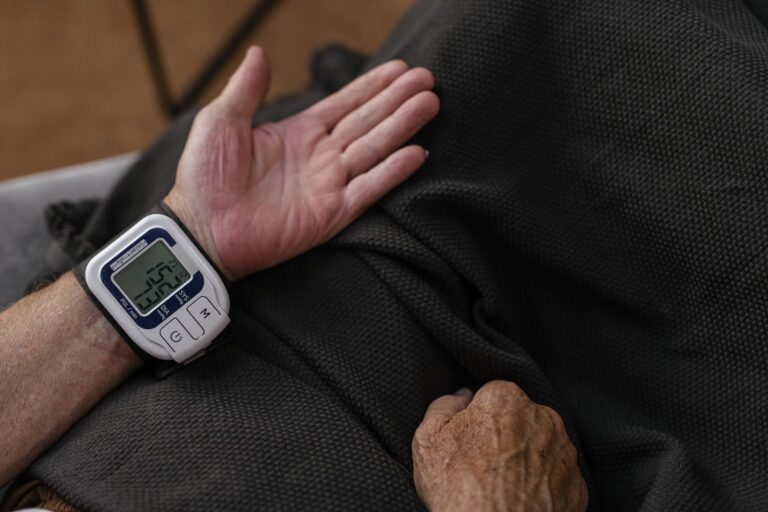
Iron blood sits at the center of this dementia and brain health question.
An iron blood test reveals two critical pieces of information: your ferritin level tells you how much iron your body has stored in reserve, while your hemoglobin level shows whether your red blood cells are adequately carrying oxygen throughout your system. Ferritin is a protein that acts as an iron storage container, so it reflects your body’s long-term iron status rather than the iron circulating in your bloodstream right now.
Hemoglobin, which is made using iron, is the protein inside red blood cells responsible for transporting oxygen—when hemoglobin is low, your organs and tissues, including your brain, receive less oxygen than they need. Understanding these two measurements helps doctors identify whether you have adequate iron stores, whether your body is producing healthy red blood cells, and whether conditions like anemia or iron overload are developing. This article explains what each test measures, what the normal ranges mean for different age groups and genders, how to interpret results when they fall outside normal limits, and why these tests matter for overall health and cognitive function.
Table of Contents
- What Does a Ferritin Test Actually Measure?
- What Does Hemoglobin Tell You About Your Health?
- How Age, Gender, and Pregnancy Affect Normal Ranges
- Reading Your Results—Low Ferritin and Low Hemoglobin Together
- When Ferritin and Hemoglobin Run High
- Why These Tests Matter Beyond Simple Anemia Detection
- Comprehensive Iron Assessment and When Further Testing Is Needed
- Conclusion
What Does a Ferritin Test Actually Measure?
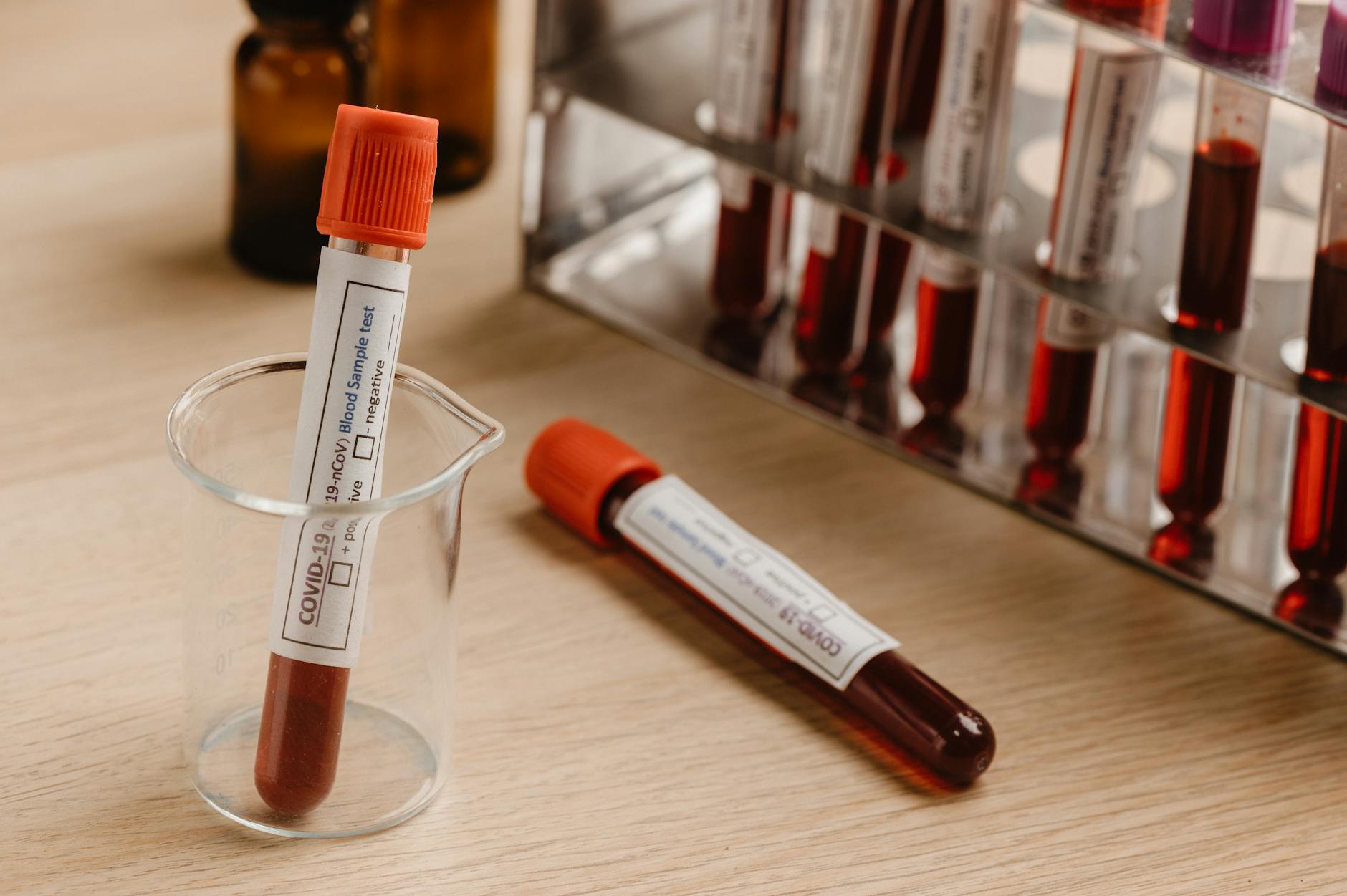
Ferritin is a protein that stores iron in your cells and tissues, particularly in your liver, spleen, and bone marrow. When you get a ferritin blood test, the lab is measuring how much of this stored iron you have available—not the iron currently floating in your bloodstream. Think of ferritin as your body’s iron savings account; if you consistently consume low-iron foods, your ferritin account gradually empties. Conversely, if you absorb too much iron or receive multiple blood transfusions, your ferritin account overflows, which can cause damage to your organs.
The test measures ferritin in nanograms per milliliter (ng/mL), and normal ranges vary based on age and sex. For adult men, normal ferritin typically ranges from 30 to 566 ng/mL (though some labs use 24 to 336 ng/mL depending on their equipment and methods). Adult women usually have lower ferritin levels, ranging from 15 to 205 ng/mL (or 12 to 150 ng/mL in some labs), primarily because menstruation causes monthly iron loss and pregnancy depletes iron stores. Children have different reference ranges: those aged 6 months to 15 years typically fall in the 12 to 140 ng/mL range, while infants under 6 months can have ferritin levels up to 650 ng/mL. It’s crucial to remember that ferritin levels can also rise during inflammation, infection, or liver disease, so a high ferritin doesn’t automatically mean iron overload—your doctor must interpret the result in context with other tests.
What Does Hemoglobin Tell You About Your Health?
Hemoglobin is the iron-containing protein that gives red blood cells their ability to grab onto oxygen molecules and deliver them throughout your body. Your hemoglobin level directly indicates whether you have enough healthy red blood cells performing this oxygen-delivery job. When hemoglobin is low, a condition called anemia develops, meaning your tissues receive insufficient oxygen. This becomes particularly important for the brain, which uses roughly 20 percent of your body’s oxygen supply even though it comprises only 2 percent of body weight—oxygen deprivation to the brain can impair memory, concentration, and cognitive processing speed.
Normal hemoglobin ranges differ between men and women. Adult men typically have hemoglobin between 13 and 18 g/dL (with some sources using 14.0 to 17.5 g/dL), while adult women have normal levels between 12 and 16 g/dL (or 12.3 to 15.3 g/dL in alternative reference ranges). The World Health Organization uses 13 to 18 g/dL for men and 12 to 16 g/dL for non-pregnant women as standard cutoffs. These numbers matter because if your hemoglobin drops below 12 g/dL (women) or 13 g/dL (men), you’re considered anemic, and the lower it goes, the more severe your symptoms become. Unlike ferritin, which reflects long-term iron storage, hemoglobin is measured as part of a routine Complete Blood Count (CBC) test and reflects your current red blood cell production status.
How Age, Gender, and Pregnancy Affect Normal Ranges
Iron needs and normal blood levels vary significantly across your lifespan, which is why laboratories maintain different reference ranges for different populations. Women of reproductive age consistently show lower normal ferritin levels than men because monthly menstruation causes iron loss averaging about 15 to 30 mg per month. During pregnancy, a woman’s blood volume expands by 50 percent, which automatically dilutes hemoglobin concentration even if she maintains adequate iron stores—pregnant women are often screened for anemia because they’re at high risk despite normal ferritin. After menopause, women’s iron needs drop significantly and their normal ferritin and hemoglobin ranges shift closer to men’s ranges.
Children have unique iron needs as well: infants under 6 months can maintain ferritin levels up to 650 ng/mL because they rely on iron stored during pregnancy, but once they begin eating solid foods at around 6 months, their needs change dramatically. Children ages 6 months to 15 years show ferritin ranges of 12 to 140 ng/mL, reflecting their transition to dietary iron absorption. Older adults may have slightly lower hemoglobin and altered ferritin patterns due to changes in bone marrow function and dietary intake. Additionally, altitude, smoking status, and chronic lung disease all influence hemoglobin—people living at high altitudes naturally maintain higher hemoglobin because their bodies compensate for lower oxygen availability. Smokers also show elevated hemoglobin as their bodies compensate for carbon monoxide exposure.
Reading Your Results—Low Ferritin and Low Hemoglobin Together
When both ferritin and hemoglobin come back low, you have iron-deficiency anemia, a treatable condition where your body lacks sufficient iron to produce healthy red blood cells. For example, a woman with ferritin of 8 ng/mL (well below the normal minimum of 15) and hemoglobin of 10 g/dL (below the normal minimum of 12) is iron deficient and anemic. Her symptoms typically include fatigue that worsens throughout the day, difficulty concentrating, shortness of breath with mild exertion, and possibly headaches. Treating this requires both identifying the source of iron loss (heavy menstruation, bleeding ulcer, poor dietary intake) and supplementing iron through diet or medication.
However, if X then Y: if someone’s hemoglobin remains low even after their ferritin normalizes, the underlying issue might be something other than iron deficiency—like vitamin B12 deficiency, folate deficiency, or chronic kidney disease—so doctors need additional tests to identify the real culprit. The important distinction is that iron deficiency without anemia is nearly twice as common as iron deficiency with anemia. Someone can have low ferritin but still maintain normal hemoglobin because their body has tapped into its iron reserves to keep producing adequate red blood cells. Conversely, you can be anemic without being iron deficient; conditions like chronic kidney disease prevent adequate red blood cell production even when iron stores are normal. This is why doctors rarely rely on ferritin and hemoglobin alone—they typically order a complete iron panel that includes serum iron, transferrin saturation, and complete blood count (CBC) differentials to get the full picture.
When Ferritin and Hemoglobin Run High
Elevated ferritin (above 566 ng/mL in men or 205 ng/mL in women) can signal iron overload disease called hemochromatosis, where your body absorbs too much iron from food because your intestines lack normal iron-absorption controls. In hemochromatosis, excess iron accumulates in organs like the liver, heart, and pancreas, causing cirrhosis, heart arrhythmias, and diabetes. However, ferritin is not specific to iron overload—it rises during any inflammation, infection (including chronic infections), liver disease, rheumatoid arthritis, and even some cancers. A patient with severe bacterial infection might have ferritin of 800 ng/mL not because of iron overload but because their body’s inflammatory response raises ferritin as an acute-phase protein.
High hemoglobin (above 18 g/dL in men or 16 g/dL in women) typically reflects dehydration, where your blood volume contracts but red cell count stays constant, concentrating hemoglobin. In rare cases, it can indicate polycythemia vera, a blood disorder where your bone marrow produces too many red blood cells. The warning here is important: if high hemoglobin and ferritin appear together with symptoms like joint pain (especially in the second knuckle of your index and middle fingers), fatigue, and sexual dysfunction, suspect hemochromatosis and ask your doctor about genetic testing and iron saturation studies. But if high hemoglobin appears with normal or low ferritin plus recent diarrhea or decreased fluid intake, dehydration is far more likely and easily corrected with rehydration.
Why These Tests Matter Beyond Simple Anemia Detection
For people with dementia or cognitive concerns, monitoring iron levels becomes particularly relevant because the brain depends on both adequate oxygen delivery and proper iron metabolism for cognitive function. Iron is essential for myelin formation (the insulation around nerve cells) and energy production within neurons. Untreated anemia causes brain fog, memory problems, and reduced concentration—symptoms that can mimic or worsen cognitive decline. Additionally, iron deficiency has been associated with restless leg syndrome, a condition that disrupts sleep quality, and poor sleep accelerates cognitive decline in older adults.
Someone experiencing unexplained cognitive changes, fatigue, and restlessness might actually be iron deficient and benefit from supplementation rather than assuming their symptoms are irreversible. Hemoglobin testing is routinely included in annual physicals and geriatric assessments specifically because low hemoglobin predicts falls (through dizziness and reduced oxygen to the cerebellum), increased hospitalization risk, and accelerated cognitive decline in older adults. A 75-year-old woman with hemoglobin of 11 g/dL has triple the risk of developing dementia compared to a peer with hemoglobin of 13 g/dL, according to research presented at gerontology conferences. This makes screening for and treating anemia part of a comprehensive dementia-prevention strategy.
Comprehensive Iron Assessment and When Further Testing Is Needed
A single ferritin or hemoglobin result tells you only part of the story; comprehensive iron assessment requires additional tests. The full iron panel typically includes serum iron (how much iron is currently in your blood), total iron-binding capacity (TIBC, which measures how much iron your blood can carry), and transferrin saturation (the percentage of TIBC occupied by actual iron). Transferrin saturation above 45 percent in men or 50 percent in women raises suspicion for hemochromatosis and warrants genetic testing for HFE mutations.
Meanwhile, low serum iron with high TIBC and low ferritin confirms iron-deficiency anemia, whereas low serum iron with low TIBC and high ferritin suggests anemia of chronic disease or inflammation. As you age, particularly if you have family history of dementia or are experiencing unexplained cognitive changes, advocating for periodic iron panel testing (not just hemoglobin) becomes part of preventive medicine. Some physicians recheck ferritin annually in patients over 65 to catch anemia development early, when treatment is easiest. The landscape of understanding iron’s role in brain health continues evolving, with ongoing research examining whether maintaining optimal iron levels might slow cognitive decline—making these seemingly routine blood tests part of a forward-looking health-monitoring strategy.
Conclusion
Ferritin and hemoglobin tests provide complementary information: ferritin shows whether your body has adequate iron stored in reserve, while hemoglobin reveals whether you’re producing enough healthy red blood cells to deliver oxygen effectively. Normal ferritin ranges from 30 to 566 ng/mL in men and 15 to 205 ng/mL in women (with variation by lab), while normal hemoglobin ranges from 13 to 18 g/dL in men and 12 to 16 g/dL in women.
When both values fall below normal, iron-deficiency anemia is present; when ferritin is high but hemoglobin is normal, your body might be compensating for iron loss, or inflammation might be elevating ferritin independent of iron status. For anyone concerned about cognitive health, understanding your iron status moves beyond treating simple anemia—it’s part of maintaining the oxygen delivery and neurological function your brain requires. If your ferritin or hemoglobin levels are unusual, ask your doctor for a complete iron panel rather than relying on these two tests alone, and discuss what additional testing or supplementation might be appropriate for your age, gender, and health history.
You Might Also Like
- Cholesterol Test Results Explained What LDL HDL And Triglycerides Mean
- Dexa Scan T Score Vs Z Score Explained What Your Results Actually Mean
- Dexa Scan Results Explained What Your Bone Density Score Really Means
For more, see NIH MedlinePlus — dementia.