Reviewed by the Help Dementia Editorial Team — our editors review every article for accuracy against guidance from the National Institute on Aging, the Alzheimer’s Association, and peer-reviewed sources.
Intergenerational programs sits at the center of this dementia and brain health question.
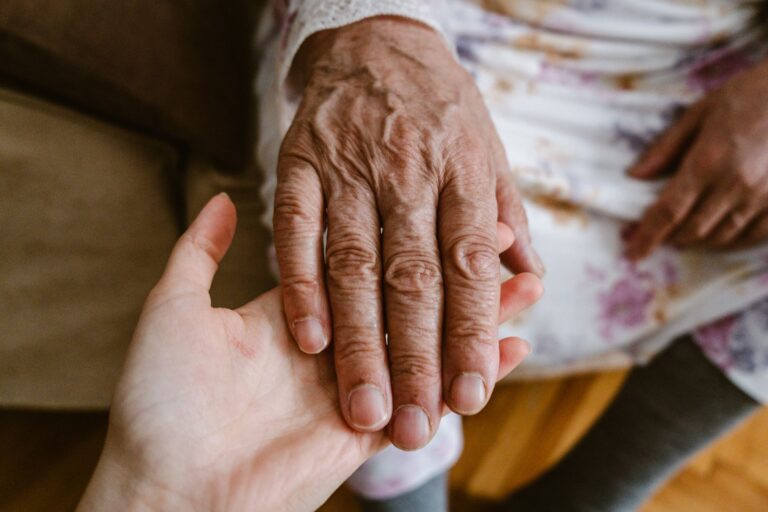
Intergenerational programs connect youth with Alzheimer’s patients by bringing younger people directly into meaningful interactions with older adults living with dementia in structured settings. These programs create intentional bridges between generations through regular visits, shared activities, and planned engagement, allowing young people to develop compassion and communication skills while providing cognitive and emotional benefits to dementia patients.
For example, a student visiting a memory care facility might spend an hour singing, reading, or doing art projects alongside an Alzheimer’s resident, creating moments of joy and connection that benefit both participants in measurable ways. The premise is straightforward but powerful: young people and older adults with dementia have something meaningful to offer each other when given the right structure and support. Unlike passive entertainment or one-directional care, intergenerational programs create genuine interaction that reduces isolation for both groups while addressing a critical gap in dementia care—the shortage of meaningful social engagement that so many patients experience during their illness.
Table of Contents
- How Do Intergenerational Programs Bridge the Gap Between Generations?
- What Are the Documented Benefits for People With Dementia?
- What Activities Work Best in Intergenerational Programs?
- What Is the Optimal Structure and Duration for These Programs?
- What Should Programs Get Right to Avoid Common Pitfalls?
- Understanding the Broader Context of Dementia Care
- The Evolving Landscape of Intergenerational Dementia Programming
- Conclusion
How Do Intergenerational Programs Bridge the Gap Between Generations?
Intergenerational programs create structured opportunities for youth and older adults with dementia to interact regularly, typically within senior living facilities, adult day programs, or community centers. The programs aren’t informal drop-ins; they’re organized activities with specific objectives that help young people understand dementia while providing stimulating engagement for participants with cognitive decline. A typical program might involve college students or high school students committing to regular sessions—weekly or biweekly—where they participate alongside facility residents in planned activities. The intergenerational model works because it addresses two simultaneous needs: older adults with Alzheimer’s often experience profound isolation and loss of purpose, while young people frequently lack exposure to aging and dementia care, leading to anxiety and misunderstanding around these topics.
When structured well, programs create mutual benefit. Youth gain perspective, develop empathy, and often discover career paths in healthcare and caregiving. Residents gain meaningful interaction, cognitive stimulation, and the sense that they still have value and can connect with others. The program also provides enormous value to families and care facilities, reducing staff burden and improving the overall atmosphere of care.

What Are the Documented Benefits for People With Dementia?
Research consistently shows that participation in intergenerational programs produces significant behavioral and emotional improvements in people with Alzheimer’s and other dementias. studies document reduced disengagement behaviors—residents are less likely to zone out, sleep through activities, or withdraw from the room. Participants show increased pleasure levels during program sessions, and the benefits extend to improved overall social engagement, decreased depression, and reduced anxiety. These aren’t subtle improvements; they represent meaningful enhancement in quality of life for people whose disease typically involves progressive decline and increasing isolation.
However, it’s important to recognize that these programs are not a treatment or cure, nor should they be positioned as a replacement for comprehensive dementia care and medical management. While the psychological and social benefits are genuine and well-documented, they operate within the context of an incurable disease that will continue to progress. Some residents with advanced dementia may not be able to participate meaningfully, and the consistency of benefits varies depending on the individual’s cognitive stage, temperament, and the quality of program implementation. Additionally, success depends heavily on trained facilitators who understand both youth development and dementia—poorly run programs can be frustrating for everyone involved.
What Activities Work Best in Intergenerational Programs?
Successful intergenerational programs employ diverse, multi-sensory activities that engage people across different cognitive abilities. Common activities include music and singing, visual arts and creative projects, reading and storytelling, dance and movement, and increasingly, carefully-selected technology activities. Music tends to be particularly effective because it bypasses verbal processing and engages emotional memory; residents with significant cognitive decline often respond vividly to familiar songs. Arts activities allow for non-verbal expression and creative satisfaction.
Reading aloud provides structure and engagement without requiring the resident to initiate conversation. A concrete example might be a college nursing student visiting a memory care unit each Thursday afternoon, where she works with residents on a rotating art project—perhaps collages made from magazines, watercolor painting, or sculpture with clay. The activity has a clear end point (a finished piece), provides immediate satisfaction, and creates natural conversation and interaction. For a resident with Alzheimer’s, the focus on the activity itself often reduces anxiety better than programs that rely on conversation or cognitive engagement. The student gains practical exposure to working with dementia patients, sees how to adapt communication for cognitive decline, and often discovers that meaningful interaction is possible even when traditional conversation is difficult.

What Is the Optimal Structure and Duration for These Programs?
Research on program design reveals specific parameters that maximize effectiveness. Programs that maintain a ratio close to 1:1 (one young participant to one older adult) are significantly more effective than large group models where youth are outnumbered or responsible for multiple residents. Individual or small group interaction allows for personalized attention, better communication, and deeper connection. The optimal duration for individual sessions is between 45 minutes and 2 hours; longer sessions risk fatigue and declining engagement, while shorter sessions may not allow sufficient time for meaningful interaction.
One key finding: programs combining both educational components and hands-on practice are substantially more effective than either approach alone. When students receive training about dementia, communication strategies, and the biological realities of the disease—and then immediately apply that learning in actual interactions with residents—they develop greater comfort, confidence, and skill in relating to people with dementia. This combined approach also improves the quality of interaction residents experience, since young people who understand the disease are less likely to become frustrated by memory loss or behavioral changes. A comparison: a student who simply visits for arts and crafts will provide some benefit, but a student who first learns about Alzheimer’s pathology, communication techniques, and the resident’s individual history before the session will create a qualitatively different (and more beneficial) interaction for the resident.
What Should Programs Get Right to Avoid Common Pitfalls?
Many well-intentioned intergenerational programs fail because they don’t account for the reality of dementia—particularly advanced dementia. Programs must be designed by people who understand both the capabilities and limitations of people with cognitive decline. For instance, activities that require sustained attention, multi-step instructions, or rapid processing will frustrate participants with moderate to advanced dementia. A program that asks residents to remember a story from last week’s session, or that relies on residents to follow complex rules in a game, is setting people up for failure and negative emotions.
Another critical warning: the training and support for young participants must not be an afterthought. Students who arrive expecting to have casual conversations with older adults, without training on dementia communication or understanding of what to expect, will often feel anxious, uncertain, or even frightened. They may misinterpret behaviors like repetition, emotional outbursts, or confusion as personal rejection or signs that something is “wrong” with the resident. When this happens, programs can collapse because young participants disengage. Programs that succeed invest significantly in ongoing training, debrief sessions, and clear facilitation, allowing young people to process their experiences and understand what they’re witnessing from a clinical perspective.

Understanding the Broader Context of Dementia Care
The scale of dementia in the United States underscores why programs like these matter. As of 2025, 7.2 million Americans age 65 and older are living with Alzheimer’s disease, with projections to increase substantially as the population ages. The caregiving burden is staggering: nearly 12 million unpaid caregivers provided 19.2 billion hours of care to dementia patients in 2024, work valued at $413.5 billion.
Many of these caregivers are family members providing care alongside employment and other responsibilities, leading to significant burnout and health consequences. Healthcare costs for Alzheimer’s and dementia care are projected at $384 billion in 2025 and expected to nearly triple to almost $1 trillion by 2050. Within this landscape, intergenerational programs represent a relatively low-cost intervention that provides multiple simultaneous benefits: they support residents’ mental health, engage youth in meaningful service, reduce isolation, and even decrease some care facility expenses by providing enrichment and engagement that might otherwise require staff time.
The Evolving Landscape of Intergenerational Dementia Programming
Intergenerational programs are expanding beyond traditional senior care facilities into diverse community settings. Some programs incorporate technology thoughtfully—video call connections between youth and residents in rural areas, online education platforms, and digital storytelling projects. While technology can extend reach, the most effective programs maintain the core element: genuine, in-person interaction between young and old.
Looking forward, there’s growing recognition that intergenerational programming should be integrated more systematically into healthcare education, volunteer service requirements in schools, and long-term care facility standards. The evidence base continues to strengthen, with more rigorous research documenting long-term outcomes for both youth and older adults with dementia. As dementia cases continue to rise and social isolation deepens in many communities, these programs represent one of the most evidence-backed, scalable approaches to improving quality of life for people living with Alzheimer’s.
Conclusion
Intergenerational programs connect youth with Alzheimer’s patients by creating structured, purposeful interactions that benefit both groups significantly. The research is clear: when well-designed with appropriate training, suitable activities, optimal group sizes, and realistic session lengths, these programs reduce disengagement behaviors, increase pleasure and social engagement, and decrease depression and anxiety in people with dementia. For young people, they provide invaluable education about aging and dementia, often sparking interest in caregiving professions and fostering empathy that extends far beyond the program itself.
If you’re involved in dementia care—whether as a family member, professional, or facility administrator—investigating intergenerational programming in your community is worth the effort. If you’re a young person looking for meaningful service, these programs offer authentic connection and impact. The evidence shows that when generations bridge the gap created by dementia, everyone benefits—residents receive the engagement and connection that is so fundamental to human flourishing, young people gain perspective and purpose, and communities strengthen through intergenerational bonds.
You Might Also Like
- Research Exchange Programs Connect Alzheimer’s Labs Across Continents
- Music Memory Programs Maintain Connection for Alzheimer’s Patients
- Multisensory Stimulation Programs Engage Alzheimer’s Patients
For more, see NIH MedlinePlus — dementia.