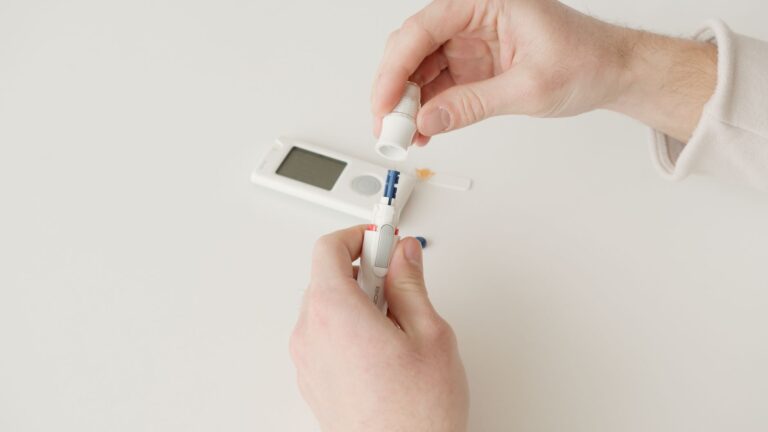
Insulin resistance sits at the center of this dementia and brain health question.
A cheap, generic diabetes pill that has been around for over six decades turns out to work in a place nobody suspected — the brain — and that discovery is rewriting what we know about dementia prevention, aging, and metabolic disease. Metformin, prescribed to hundreds of millions of people worldwide for Type 2 diabetes, was shown by researchers at Baylor College of Medicine to act through a previously unknown brain pathway involving a protein called Rap1 in the ventromedial hypothalamus. When scientists injected tiny amounts of the drug directly into the brains of diabetic mice, blood sugar dropped significantly at doses thousands of times smaller than a typical oral pill. For sixty years, the medical establishment believed metformin worked primarily in the liver and gut. That assumption was wrong.
But the brain pathway is only the beginning of the story. Metformin and a related class of insulin resistance drugs called thiazolidinediones — including pioglitazone, sold as Actos — are now showing unexpected benefits that range from dementia prevention and longevity to protection against long COVID. A 40-month study in non-human primates found metformin produced a 6.1-year regression in brain aging, with decreased Tau protein and reduced amyloid-beta accumulation, two of the hallmark proteins behind Alzheimer’s disease. Meanwhile, pioglitazone has been linked to a 16 percent reduced risk of dementia overall, and in stroke survivors, the reduction was as high as 54 percent. This article examines the research behind these findings, who stands to benefit, and the important caveats that rarely make the headlines.
Table of Contents
- How Does an Insulin Resistance Drug Produce Brain Benefits Nobody Expected?
- What the Dementia Prevention Data Actually Shows — and Where It Falls Short
- Metformin and Brain Aging — Evidence From Primate Studies
- Metformin Beyond Diabetes — Long COVID, Type 1, and the Longevity Question
- The Exercise Warning Most Metformin Users Have Never Heard
- New PPARγ Compounds Could Deliver Dementia Benefits Without the Dangers
- Where This Research Goes From Here
- Conclusion
- Frequently Asked Questions
How Does an Insulin Resistance Drug Produce Brain Benefits Nobody Expected?
The key to understanding this story is a protein called Rap1. Dr. Fukuda and his team at Baylor College of Medicine published their findings in Science Advances in July 2025, demonstrating that metformin activates Rap1 in a specific brain region — the ventromedial hypothalamus — to regulate blood sugar. When the researchers engineered mice that lacked Rap1 in the forebrain, those animals were completely resistant to metformin’s blood sugar-lowering effects while still responding normally to other diabetes drugs. That is strong evidence this brain pathway is not a minor side note — it is central to how the drug actually works. “This discovery changes how we think about metformin. It’s not just working in the liver or the gut, it’s also acting in the brain,” Dr. Fukuda said.
The implications are significant for brain health. If metformin reaches the brain at clinically relevant doses and modifies protein activity in the hypothalamus, it may explain years of observational data linking metformin use to lower rates of cognitive decline. The drug is not merely reducing blood sugar from the periphery. It is doing something directly in neural tissue, and researchers are now racing to understand exactly what that something means for diseases like Alzheimer’s. Compare this to how we used to think about blood pressure medications. For decades, doctors prescribed ACE inhibitors purely for cardiovascular benefit. Then research showed some of these drugs independently reduced dementia risk, not because of lower blood pressure, but because they crossed the blood-brain barrier and acted on brain tissue directly. Metformin’s story appears to follow a similar arc — a peripheral drug with a hidden central nervous system role that took six decades to uncover.

What the Dementia Prevention Data Actually Shows — and Where It Falls Short
Pioglitazone, a thiazolidinedione that targets insulin resistance through a different mechanism than metformin, has produced some of the most striking dementia prevention numbers in the literature. A large study published in Neurology found that pioglitazone use was associated with a 16 percent reduced risk of dementia overall, with an adjusted hazard ratio of 0.84. The benefit extended to Alzheimer’s disease specifically, with an adjusted hazard ratio of 0.81. Among patients who had previously suffered an ischemic stroke, the risk reduction jumped to 54 percent — a number that caught many neurologists off guard. A separate German retrospective study found a 47 percent reduction in dementia incidence among long-term pioglitazone users. However, these are observational and retrospective findings, not randomized controlled trials designed to test dementia prevention as a primary endpoint. That distinction matters.
People who take pioglitazone tend to have Type 2 diabetes managed by physicians who are actively monitoring their metabolic health, which introduces selection bias. Patients who are sicker, less compliant, or have more comorbidities may never have been prescribed pioglitazone in the first place. The 54 percent reduction in stroke survivors is compelling, but it comes from a subgroup analysis — the kind of finding that generates hypotheses rather than confirms them. There is also the problem of side effects. Pioglitazone has been associated with weight gain, fluid retention, increased fracture risk, and a possible link to bladder cancer with long-term use. No responsible clinician would prescribe it off-label for dementia prevention based on current evidence alone. That said, the signal is strong enough that it deserves prospective trials, and for patients who already take pioglitazone for diabetes, these cognitive benefits may represent a meaningful secondary advantage.
Metformin and Brain Aging — Evidence From Primate Studies
Some of the most persuasive evidence for metformin’s brain benefits comes not from human epidemiology but from a controlled 40-month study in non-human primates. The study, published in Signal Transduction and Targeted Therapy (a Nature journal), found that metformin treatment produced a 6.1-year regression in brain aging biomarkers. The primates showed decreased levels of Tau protein and reduced accumulation of amyloid-beta — the two proteins most closely associated with Alzheimer’s disease pathology. this matters because primate brains are far more similar to human brains than mouse brains are. Rodent models of Alzheimer’s have led researchers astray for decades, producing drugs that cleared amyloid in mice but failed catastrophically in human trials.
A primate study showing measurable reversal of aging biomarkers with a drug that is already FDA-approved and taken by millions of people carries different weight. It does not prove metformin prevents Alzheimer’s in humans, but it narrows the translational gap considerably. Separately, a UC San Diego study examining older women with diabetes found that metformin use was associated with a 30 percent lower risk of death before age 90 compared to sulfonylurea use. That is not a small effect. Sulfonylureas are the other major first-line diabetes drug class, so this comparison is clinically meaningful — it suggests metformin does not merely manage blood sugar but may confer a survival advantage that extends well beyond glycemic control.

Metformin Beyond Diabetes — Long COVID, Type 1, and the Longevity Question
One of the more unexpected findings in recent years came from an NIH-supported study showing that adults with Type 2 diabetes taking metformin had a 13 to 21 percent lower incidence of long COVID or death compared to those on other diabetes medications. The mechanism is not fully understood, but metformin has known anti-inflammatory properties, and chronic inflammation is a leading theory for why long COVID persists in some patients. For the millions of people still dealing with post-COVID symptoms, this finding adds another reason to pay attention to a drug most people associate only with blood sugar. In a separate clinical trial, metformin reduced insulin requirements by approximately 12 percent in people with Type 1 diabetes compared to placebo. This result was surprising because metformin is not designed for Type 1 diabetes and did not actually improve insulin resistance or blood sugar levels in these patients.
The insulin-sparing effect appeared to work through a different pathway, and while 12 percent may sound modest, for a Type 1 patient injecting insulin multiple times daily, any reduction is meaningful both practically and financially. The tradeoff to weigh here is between metformin’s broad metabolic benefits and its known gastrointestinal side effects — nausea, diarrhea, and stomach cramping affect a significant minority of users, particularly in the first weeks. Extended-release formulations reduce but do not eliminate these problems. For someone already taking metformin for diabetes, the additional benefits described above are essentially free. For someone considering it purely for brain health or longevity, the risk-benefit calculation is less clear-cut, and no major medical society currently recommends metformin for off-label dementia prevention.
The Exercise Warning Most Metformin Users Have Never Heard
Here is a finding that complicates the metformin-as-wonder-drug narrative: research shows metformin’s mitochondrial inhibition may interfere with exercise adaptations. In studies examining people taking metformin while following structured exercise programs, participants did not gain fitness or see blood glucose improvements from exercise the way non-medicated exercisers did. Metformin works partly by inhibiting Complex I in the mitochondrial electron transport chain, and that same mechanism appears to blunt the mitochondrial biogenesis that exercise normally triggers. This creates a genuine dilemma. Exercise is one of the most powerful interventions we have for both diabetes management and dementia prevention. If metformin undermines the benefits of exercise, then for physically active patients, the net effect might be worse than exercise alone.
This does not mean patients should stop taking metformin — the drug’s benefits are well-established for blood sugar control. But it does mean the conversation about metformin as a longevity or brain health drug needs to account for what a person is already doing. A sedentary 70-year-old with diabetes may benefit enormously from metformin. A physically active 55-year-old considering it off-label for anti-aging may actually be undermining their best existing health strategy. The practical takeaway is that anyone taking metformin who exercises regularly should discuss timing and dosing with their physician. Some researchers have suggested separating metformin doses from exercise sessions by several hours, though the evidence for this workaround is still preliminary.

New PPARγ Compounds Could Deliver Dementia Benefits Without the Dangers
In January 2026, scientists at The Wertheim UF Scripps Institute announced the development of new PPARγ-targeting compounds that reprogram insulin-resistant cells to a healthier state while avoiding the serious side effects that plagued older glitazones. Earlier drugs in this class — rosiglitazone (Avandia) was pulled from many markets due to heart attack risk, and pioglitazone (Actos) carries warnings about heart failure, bone loss, and potential cancer risk. The new compounds were designed from the ground up to activate PPARγ through a different binding mechanism, potentially preserving the metabolic and neuroprotective benefits while sidestepping the cardiovascular and skeletal damage.
This is worth watching closely. If pioglitazone’s 16 to 54 percent dementia risk reductions are even partially reproducible with a safer compound, the implications for Alzheimer’s prevention could be enormous. The drugs are still in early development, but the principle — that insulin resistance pathways in the brain are viable targets for dementia prevention — is now supported by converging lines of evidence from multiple drug classes.
Where This Research Goes From Here
The next several years will be critical for translating these findings into clinical practice. The TAME (Targeting Aging with Metformin) trial, one of the first large-scale studies designed to test whether metformin can slow aging-related diseases including cognitive decline, is expected to provide clearer answers about whether the observational benefits hold up under rigorous testing. Meanwhile, the Baylor brain pathway discovery opens up entirely new avenues for drug design — if Rap1 in the hypothalamus is a key mediator of metformin’s effects, then drugs targeting that protein directly could theoretically be far more potent at far lower doses. For families dealing with dementia or cognitive decline right now, these findings are not yet actionable prescriptions.
But they represent a genuine shift in how researchers understand the relationship between metabolic health and brain health. The old model treated diabetes and Alzheimer’s as separate diseases in separate organ systems. The emerging model says they share molecular machinery, and drugs that fix one may protect the other. That is not hype. That is where the science is pointing.
Conclusion
The story of insulin resistance drugs and brain health is a story about looking in the wrong place for sixty years and then finding something remarkable. Metformin works in the brain through Rap1. Pioglitazone is associated with dementia risk reductions of 16 to 54 percent depending on the population studied. Primate research shows measurable reversal of brain aging biomarkers. New PPARγ compounds may deliver these benefits without the dangerous side effects of older drugs.
And metformin users show lower rates of long COVID, reduced insulin needs in Type 1 diabetes, and a 30 percent lower risk of death before age 90 compared to those on other diabetes medications. None of this means you should ask your doctor for metformin as a brain health supplement tomorrow. The exercise interference finding alone should give pause to anyone considering off-label use. But if you or a family member already takes metformin or pioglitazone for diabetes, these unexpected benefits are worth discussing with a physician. And if you are tracking Alzheimer’s research, the insulin resistance connection is no longer speculative — it is one of the most active and promising areas in dementia prevention science today.
Frequently Asked Questions
Can metformin prevent Alzheimer’s disease?
The evidence is promising but not conclusive. A primate study showed a 6.1-year regression in brain aging with decreased Tau and amyloid-beta, and observational human data suggests lower dementia rates. However, no randomized controlled trial has confirmed metformin prevents Alzheimer’s in humans. The TAME trial may provide clearer answers.
Is pioglitazone safe to take for dementia prevention?
Pioglitazone carries real risks including fluid retention, weight gain, bone fractures, and a possible bladder cancer link. It is not approved or recommended for dementia prevention. The dementia risk reduction data (16 to 54 percent) comes from retrospective studies, not prospective prevention trials. New PPARγ compounds in development may eventually offer similar benefits with fewer risks.
Does metformin interfere with exercise?
Research indicates that metformin’s mitochondrial inhibition can blunt exercise-related fitness gains and blood glucose improvements. People who are physically active and considering metformin off-label should weigh this tradeoff carefully. Separating doses from exercise sessions may help, but this strategy is not yet well-studied.
How does metformin work in the brain?
According to Baylor College of Medicine researchers, metformin activates a protein called Rap1 in the ventromedial hypothalamus. When injected directly into mouse brains, it lowered blood sugar at doses thousands of times smaller than typical oral doses, suggesting the brain is a primary — not secondary — site of action.
Should I take metformin if I do not have diabetes?
Currently, no major medical organization recommends metformin for non-diabetic individuals for brain health or anti-aging purposes. While observational data is intriguing, the gastrointestinal side effects and potential exercise interference make the risk-benefit ratio unclear for people without metabolic disease.
What are the new PPARγ compounds, and when will they be available?
Scientists at The Wertheim UF Scripps Institute announced in January 2026 that they had developed new PPARγ-targeting compounds designed to avoid the heart damage, bone loss, and cancer risks associated with older drugs like Avandia and Actos. These compounds are still in early-stage research and are likely years away from clinical availability.
You Might Also Like
- This Blood Pressure Drug Works Better When Taken at Night, Studies Show
- The Diabetes Drug That Also Protects Your Heart — Doctors Are Amazed
- The Cholesterol Drug That Depletes This Vital Nutrient From Your Body
For more, see NIH MedlinePlus — dementia.