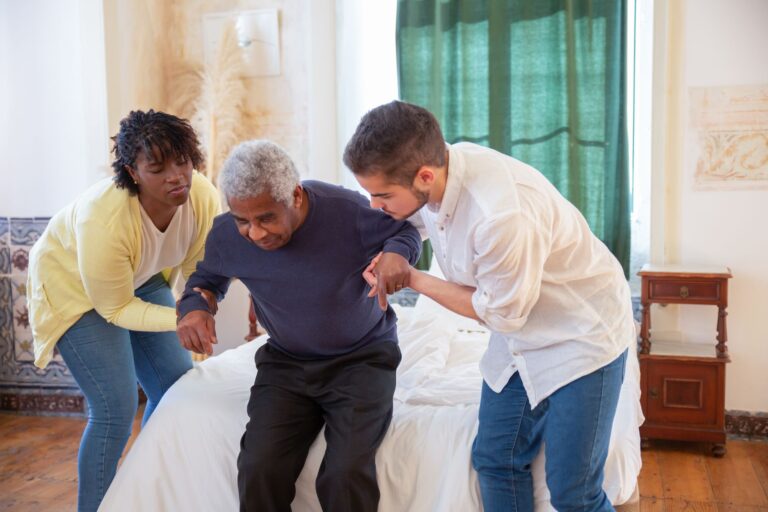
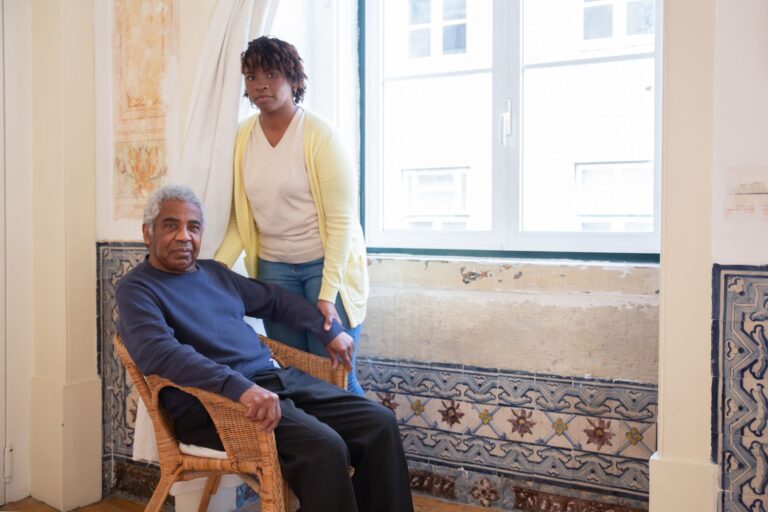
The two implementation-ready choices — programs tested enough for wider use with monitoring — are collaborative care models and REACH II caregiver support. For adult children, that means team-based care for a parent plus structured coaching for the family caregiver. Collaborative care joins medical and daily-life support in one plan. REACH II teaches practical caregiving and stress-management skills.
The Regenstrief Institute reported via EurekAlert that both were judged ready for broad implementation with monitoring the Regenstrief Institute summary via EurekAlert. Between 3.7 and 5.8 million Americans live with dementia, and family and friends provide most at-home help. That help often covers medications, bills and daily activities. The number is expected to grow.
Medical information disclaimer: This article is for general educational purposes only and does not provide medical advice, diagnosis, or treatment. Always consult a physician or other qualified health professional about symptoms, medications, tests, or treatment decisions.
Table of Contents
- What does collaborative care include?
- What does REACH II coaching involve?
- How strong is the evidence?
- What does the 2026 NIA update change?
- Where can families find tested programs?
What does collaborative care include?
Collaborative care uses a multidisciplinary team to integrate medical and psychosocial care. The team serves both the person living with dementia and care partners. The University of Washington explains in its summary that the model can be adapted to family needs the University of Washington report summary. For an adult child, this can mean one care plan across clinic visits, home needs and behavior changes.
It can add counseling, care coordination and referrals. It does not replace a primary care clinician or neurologist. Ask whether a parent's health system offers dementia care management, care navigation or a memory-care team. Bring a list of daily tasks, safety worries and caregiver time. Ask how the plan changes as needs change.
What does REACH II coaching involve?
REACH II is a structured program for family caregivers, not a drug or facility. It focused on education, problem-solving, role-playing and stress management. The NIA and NINR reported via EurekAlert that the trial enrolled 642 Black, Hispanic and white family caregivers the NIA trial summary via EurekAlert. Those caregivers received nine home visits, three calls and five phone support sessions.
Sessions covered care skills, mood, behavior responses and self-care. Quality of life improved for participants. An adult child can use the same building blocks now. Ask a clinic, Area Agency on Aging or caregiver program for coaching in problem-solving and stress management. Practice one daily routine, one behavior response and one respite plan at a time.
How strong is the evidence?
The benefit finding rests on low-strength evidence. The federal review found no high- or moderate-strength dementia-care interventions. Only adaptations of collaborative care and REACH II showed low-strength benefit. That rating matters for expectations.
Low strength means some benefit was seen, but future research could change the result. It is not proof that every program with a similar name will help. It also means monitoring is part of wider use. Families should track sleep, function, mood, falls, hospital visits and caregiver strain. Share changes with the care team and adjust support early.
What does the 2026 NIA update change?
NIA held its 2026 Dementia Care and Caregiving Research Summit virtually March 17-19. Federal updates from ASPE and NAPA say the meeting reviewed progress, highlighted innovations and named unmet research needs the federal NAPA meeting updates. The 2026 summit report recommends no single treatment or care model. It prioritizes research gaps instead, according to a ComForCare summary of the report.
Adult children should not expect one prescribed national program. That makes local fit more important than a brand name. Choose the team that coordinates care, teaches skills and follows up. Keep asking what is working and what still needs study.
Where can families find tested programs?
Look first inside a parent's health system. Many systems now test non-drug dementia care in routine clinics. Ask for embedded caregiver support, home-based coaching or pragmatic trial programs. The NIA IMPACT Collaboratory, established in 2019, funds these real-world tests.
It supports embedded pragmatic trials of non-drug dementia care. Its 2026 pilot and demonstration awards continue that work. Use these steps when you call: Bring medication bottles, bill routines and sleep and behavior notes to the first visit. Name who can provide backup care for two hours each week.
- Ask if the clinic has a dementia collaborative-care or care-management program.
- Ask for caregiver education in problem-solving, daily routines and stress management.
- Ask how outcomes, safety and caregiver strain are tracked.
- Ask about eligibility, cost, visit format and language access.
- Request one written care plan with contacts and next review date.
You Might Also Like
- Dementia With Multiple Etiologies in the 2026 NIA Report: What the Findings Mean for Adult Children
- The $781 Billion Dementia Economic Estimate in the 2026 NIA Report: What the Report Means for Long-Distance Caregivers
- Strengths-Based Dementia Care in the 2026 NIA Report: What the Report Means for Long-Distance Caregivers