In 2025, oncologists are no longer choosing between immunotherapy and chemotherapy as an either-or proposition. Instead, they are making highly individualized decisions driven by biomarker testing — particularly PD-L1 expression levels and mismatch repair deficiency status — that determine whether a patient receives immunotherapy alone, chemotherapy alone, or a combination of both. The old framework of “which is better” has given way to a more precise question: which approach fits this particular tumor’s biology? The evidence behind this shift is striking. A Johns Hopkins five-year analysis published in June 2025 found that adding immunotherapy to chemotherapy before surgery for operable non-small cell lung cancer significantly improved long-term survival — with 24% of patients achieving complete remission and those who had complete tumor clearance at surgery reaching 95% five-year survival.
Meanwhile, a landmark Memorial Sloan Kettering trial published in the New England Journal of Medicine in April 2025 showed that immunotherapy alone eliminated the need for surgery, chemotherapy, and radiation in 80% of participants with mismatch repair-deficient solid tumors. These are not incremental gains. They represent a fundamental change in how cancer is treated. This article examines how oncologists are navigating these decisions in practice — from the biomarker tests that guide treatment selection, to the latest clinical trial data reshaping guidelines, to what patients with cognitive health concerns should understand about the neurological side effects of both approaches.
Table of Contents
- What Determines Whether a Patient Gets Immunotherapy, Chemotherapy, or Both?
- Breakthrough Trial Results That Are Reshaping Treatment Guidelines
- Why This Matters for Brain Health and Dementia Care
- Combination Therapy vs. Monotherapy — Understanding the Tradeoffs
- Earlier-Stage Use and the Shift Toward Neoadjuvant Immunotherapy
- The Regulatory Landscape Reflects the Clinical Shift
- What Comes Next for Immunotherapy and Cancer Treatment
- Conclusion
- Frequently Asked Questions
What Determines Whether a Patient Gets Immunotherapy, Chemotherapy, or Both?
The single most important factor driving treatment decisions in 2025 is biomarker testing. According to current National Comprehensive Cancer Network guidelines, patients with high PD-L1 expression — defined as 50% or greater — are recommended to receive checkpoint inhibitor monotherapy, meaning immunotherapy without chemotherapy. For patients with low PD-L1 expression (less than 1%) or intermediate levels (1-49%), the NCCN recommends combination immunochemotherapy, where both treatments are given together. this is not a matter of physician preference; it is now codified in clinical practice guidelines. A second biomarker gaining enormous clinical weight is mismatch repair deficiency, or MMRd.
The MSK trial, funded by Stand Up To Cancer and presented at the American Association for Cancer Research Annual Meeting, demonstrated that patients with MMRd solid tumors — including gastroesophageal, hepatobiliary, colon, genitourinary, and gynecologic cancers — could forgo surgery, chemotherapy, and radiation entirely when treated with immunotherapy alone. For tumors without these defined biomarkers, chemotherapy-immunotherapy combinations remain the treatment backbone, because chemotherapy enhances tumor antigen release and promotes dendritic cell activation, essentially priming the immune system to respond more effectively. What this means in practical terms is that two patients with the same cancer type may receive completely different treatment regimens based on molecular testing. A lung cancer patient with high PD-L1 expression might receive pembrolizumab alone, while another lung cancer patient with low PD-L1 might receive pembrolizumab plus platinum-based chemotherapy. The diagnosis alone no longer dictates the treatment plan.

Breakthrough Trial Results That Are Reshaping Treatment Guidelines
The CheckMate 77T trial, reported in 2025, provided some of the most compelling evidence for combining immunotherapy with chemotherapy before surgery. Patients who received neoadjuvant nivolumab plus chemotherapy achieved a pathological complete response rate of 25.3%, compared to just 4.7% with chemotherapy alone. Median event-free survival was not even reached for the combination group, while the chemotherapy-only group had a median event-free survival of 18.4 months. These numbers represent a dramatic difference in outcomes. The Johns Hopkins analysis went further, providing the first phase 3 trial data showing a survival advantage for pre-surgical immunotherapy combined with chemotherapy — without requiring patients to continue immunotherapy after surgery. This distinction matters because post-surgical immunotherapy carries its own side effect burden and cost, and demonstrating that the pre-surgical combination alone could improve five-year survival changes the risk-benefit calculus significantly.
Among patients who achieved complete tumor clearance at surgery, 95% were alive at five years. However, these results come with an important caveat. Not all patients respond to immunotherapy, and those with low PD-L1 expression or tumors lacking specific biomarkers tend to benefit less from immunotherapy alone. For these patients, chemotherapy remains essential — either as the primary treatment or as a necessary partner to make immunotherapy more effective. Oncologists warn against interpreting these breakthroughs as evidence that chemotherapy is obsolete. For many patients, it remains indispensable.
Why This Matters for Brain Health and Dementia Care
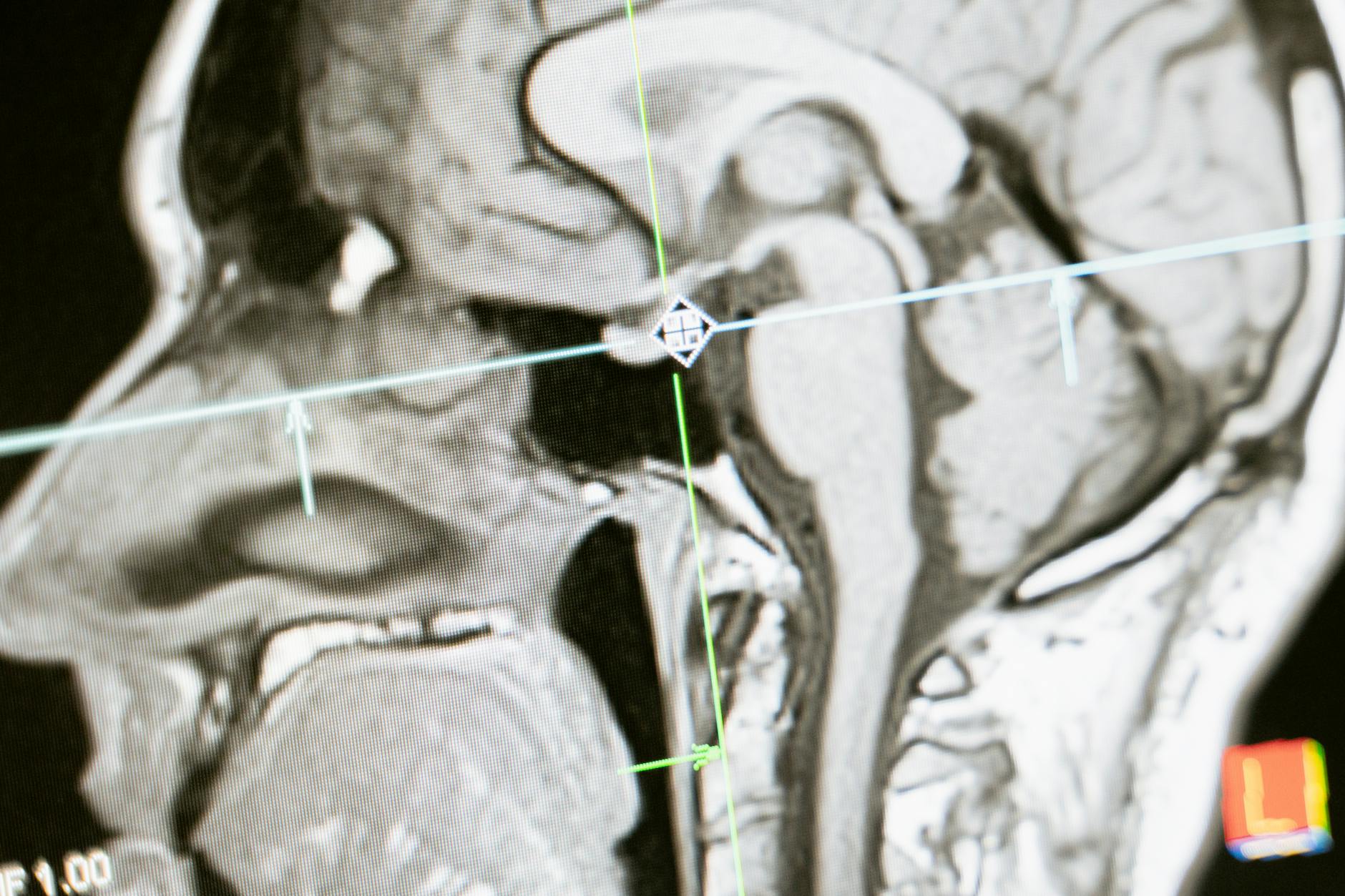
For readers of this site, the intersection of cancer treatment and cognitive health deserves particular attention. Both chemotherapy and immunotherapy carry neurological side effects, but of different kinds. Chemotherapy-related cognitive impairment — commonly called “chemo brain” — has been well documented for decades, involving memory difficulties, trouble concentrating, and slower processing speed that can persist for months or years after treatment ends. For older adults already managing mild cognitive impairment or early-stage dementia, these effects can be especially disruptive. Immunotherapy introduces a different set of neurological risks.
Checkpoint inhibitors can trigger autoimmune inflammation in the nervous system, including encephalitis, peripheral neuropathy, and myasthenia gravis-like syndromes. These events are less common than chemo brain but can be more acute and severe when they occur. For patients and families already navigating dementia care, understanding which treatment approach carries which cognitive risks is essential for informed decision-making and advance care planning. The pembrolizumab study results offer a relevant data point here: 85% of patients had complete clearance of circulating tumor DNA, 64% were recurrence-free at two years, and 92% were alive at two years. For older patients who might otherwise face repeated rounds of chemotherapy — each carrying cumulative cognitive risk — an immunotherapy-based approach that achieves durable responses with fewer treatment cycles could represent a meaningful quality-of-life advantage.
Combination Therapy vs. Monotherapy — Understanding the Tradeoffs
The decision between immunotherapy alone and combination immunochemotherapy involves real tradeoffs that oncologists weigh carefully. Immunotherapy monotherapy, when appropriate, offers the advantage of fewer side effects — no hair loss, less nausea, lower risk of neutropenia and infection. Patients generally maintain better functional status and quality of life during treatment. But monotherapy only works well in patients whose tumors have high PD-L1 expression or mismatch repair deficiency, limiting its applicability. Combination immunochemotherapy casts a wider net. By pairing chemotherapy’s direct tumor-killing effects with immunotherapy’s ability to sustain immune surveillance, oncologists can treat patients whose tumors would not respond adequately to either approach alone.
The bladder cancer data illustrate this well: combining enfortumab vedotin with pembrolizumab produced a 60% improvement in event-free survival, a 50% reduction in death risk, and a pathological complete response rate of 57.1% compared to 8.6% for surgery alone. Those are the kinds of numbers that change standard-of-care recommendations. The tradeoff is side effect burden. Combination therapy brings the toxicities of both chemotherapy and immunotherapy simultaneously — fatigue, immune-related adverse events, myelosuppression, and the cognitive effects mentioned earlier. For frail or elderly patients, particularly those managing comorbidities like dementia or cardiovascular disease, oncologists must weigh whether the survival benefit justifies the functional cost. There is no universal answer; it depends on the patient’s overall health, treatment goals, and personal priorities.
Earlier-Stage Use and the Shift Toward Neoadjuvant Immunotherapy
One of the most significant shifts in oncology practice over the past two years is the move toward using immunotherapy in earlier-stage cancers, not just metastatic disease. Historically, immunotherapy was reserved for patients with advanced or inoperable tumors — a last-resort option when chemotherapy had failed. In 2025, oncologists are increasingly prescribing it before surgery (neoadjuvant) and around the time of surgery (perioperative) to improve outcomes for patients whose cancers are still potentially curable. This approach carries a limitation that oncologists and patients need to understand. Neoadjuvant immunotherapy can trigger immune-related adverse events that delay or complicate surgery.
Pneumonitis, hepatitis, and thyroid dysfunction can all emerge during the pre-surgical treatment window, potentially forcing oncologists to postpone the operation. For patients whose surgical window is time-sensitive — particularly those with rapidly growing tumors — this risk must be factored into the treatment plan. Additionally, the NCCN has incorporated these newer approaches into its guidelines. For small cell lung cancer, carboplatin plus etoposide plus atezolizumab followed by maintenance lurbinectedin and atezolizumab was added as a primary treatment option for extensive-stage disease. For urothelial carcinoma, immune checkpoint inhibitors are now included in all preferred and recommended first-line regimens for locally advanced or metastatic disease. Pembrolizumab-based immunochemotherapy has been designated as the exclusive PD-1 inhibitor regimen recommended for both squamous and nonsquamous NSCLC as first-line treatment.

The Regulatory Landscape Reflects the Clinical Shift
The FDA’s approval patterns in 2025 tell their own story. As of December 15, 2025, out of 52 FDA approval announcements in oncology, over 70% fell within immunotherapy and targeted therapy domains. This is not a subtle trend.
The regulatory pipeline is overwhelmingly weighted toward immune-based and precision-targeted treatments, reflecting both the clinical trial evidence and the direction oncologists expect the field to move. Clinicians surveyed broadly agree that the next decade will be shaped by immunotherapy, antibody-drug conjugates, bispecific antibodies, cell therapies, and AI-driven precision medicine. For patients and caregivers — particularly those managing both a cancer diagnosis and cognitive health concerns — this trajectory suggests that treatment options will continue to expand, with an increasing emphasis on approaches that are more targeted and potentially less toxic to the brain and nervous system than traditional chemotherapy.
What Comes Next for Immunotherapy and Cancer Treatment
Looking ahead into 2026 and beyond, the clinical questions are shifting from whether immunotherapy works to how to identify which patients will benefit most, how to manage resistance when tumors stop responding, and how to extend these approaches to cancers that have so far proven resistant to immune-based treatment. The MSK trial’s finding that 80% of MMRd tumor patients could avoid surgery, chemotherapy, and radiation entirely points toward a future where, for select patients, cancer treatment may become far less physically destructive than it has been historically.
For the brain health community, the most important development to watch is how these treatments affect long-term cognitive function compared to traditional chemotherapy regimens. As five-year and ten-year survivorship data accumulate, researchers will have a clearer picture of whether immunotherapy-based approaches truly spare patients the cognitive decline associated with chemotherapy — or whether they introduce their own long-term neurological consequences that we do not yet fully understand.
Conclusion
The decision between immunotherapy and chemotherapy in 2025 is no longer a binary choice but a biomarker-driven, individualized process. High PD-L1 expression points toward immunotherapy alone; low expression or the absence of defined biomarkers typically calls for combination immunochemotherapy; and mismatch repair deficiency may eliminate the need for chemotherapy and surgery altogether. Clinical trial results from CheckMate 77T, Johns Hopkins, and Memorial Sloan Kettering have provided the evidence base that now underpins these decisions in daily oncology practice.
For patients and caregivers navigating both cancer treatment and cognitive health concerns, understanding these distinctions is practical, not academic. The type of treatment a patient receives directly affects their neurological risk profile, functional independence, and quality of life during and after treatment. Ask oncologists about biomarker testing results, discuss the cognitive side effect profiles of proposed regimens, and consider how treatment decisions align with the patient’s broader health goals — including preserving cognitive function for as long as possible.
Frequently Asked Questions
Can immunotherapy completely replace chemotherapy for cancer treatment?
For some patients, yes. The MSK trial showed that immunotherapy alone eliminated the need for surgery, chemotherapy, and radiation in 80% of patients with mismatch repair-deficient tumors. However, for patients with low PD-L1 expression or tumors without specific biomarkers, chemotherapy remains a necessary component of treatment, either alone or combined with immunotherapy.
How do oncologists decide which treatment to use?
The primary decision driver is biomarker testing. PD-L1 expression levels and mismatch repair deficiency status are the two most important tests. High PD-L1 (50% or more) generally points to immunotherapy alone, while low or intermediate PD-L1 typically calls for a combination of chemotherapy and immunotherapy. Tumor type, stage, and patient health also factor in.
Is “chemo brain” worse than the neurological side effects of immunotherapy?
They are different kinds of risks. Chemo brain involves gradual cognitive dulling — memory problems, difficulty concentrating — that can persist for months or years. Immunotherapy-related neurological events like encephalitis or neuropathy are less common but can be more sudden and severe. Neither is universally “worse”; the concern depends on the patient’s baseline cognitive health and priorities.
What does a pathological complete response mean?
A pathological complete response, or pCR, means that when surgeons remove the tumor after treatment, no viable cancer cells are found in the tissue. In the CheckMate 77T trial, 25.3% of patients receiving nivolumab plus chemotherapy achieved pCR versus 4.7% with chemotherapy alone. A pCR is associated with significantly better long-term outcomes.
Are these newer treatments available to all cancer patients?
Not yet universally. Access depends on tumor type, biomarker status, treatment center capabilities, insurance coverage, and geographic location. The NCCN guidelines codify which treatments are recommended, but real-world access can lag behind guideline updates, particularly at community oncology practices versus major academic medical centers.