Reviewed by the Help Dementia Editorial Team — our editors review every article for accuracy against guidance from the National Institute on Aging, the Alzheimer’s Association, and peer-reviewed sources.
Using Vicks VapoRub during the holiday season for someone with dementia requires planning and safety awareness rather than simply opening the jar and applying it as you might for yourself. The product can provide genuine comfort through familiar scent and mild respiratory support during cold and flu season, but cognitive changes associated with dementia mean caregivers need to take extra precautions to prevent accidental ingestion, skin irritation, or confusion about the product’s purpose. For example, a person with moderate dementia might forget why the strong-smelling rub is on their chest and attempt to wash it off repeatedly, or worse, try to taste it thinking it’s a balm or lotion.
The holiday season compounds these considerations. Winter months bring increased illness risk, emotional stimulation from gatherings and routine changes, and heightened caregiver stress—all factors that make having effective, safe comfort measures important. Vicks VapoRub can be a valuable tool in your holiday care routine, but using it well means understanding how dementia affects memory, sensory perception, and decision-making, plus knowing the specific safety steps that protect against common risks.
Table of Contents
- Why Vicks VapoRub Can Be Helpful During Holiday Illness Season
- Safe Application Methods for Dementia Patients
- How Familiar Scents Support Emotional Comfort During Holidays
- Holiday-Specific Timing and Caregiver Coordination
- Common Safety Concerns and How to Manage Them
- Combining Vicks with Other Holiday Respiratory Care Practices
- Planning Ahead for a Safer Holiday Season
- Conclusion
- Frequently Asked Questions
Why Vicks VapoRub Can Be Helpful During Holiday Illness Season
The holiday season roughly coincides with peak cold, flu, and respiratory illness months in most of North America. For older adults and those with dementia, respiratory infections carry greater risk of serious complications, making symptom management genuinely important. vicks VapoRub, when applied topically to the chest, throat, or under the nose, produces a cooling sensation and releases menthol vapors that many people find subjectively helpful for congestion—it doesn’t cure illness, but it can ease the discomfort of coughing and stuffy breathing.
Beyond the physical effects, Vicks VapoRub often carries deep emotional and sensory associations, especially for older adults. If your loved one was exposed to the product frequently as a child or throughout their life, the familiar scent can be genuinely calming even when memory and language are compromised by dementia. Some caregivers report that the ritual of application—the gentle touch, the familiar smell—provides comfort during stressful holiday gatherings when a person with dementia might be confused by unfamiliar guests, changed routines, or sensory overstimulation.
Safe Application Methods for Dementia Patients
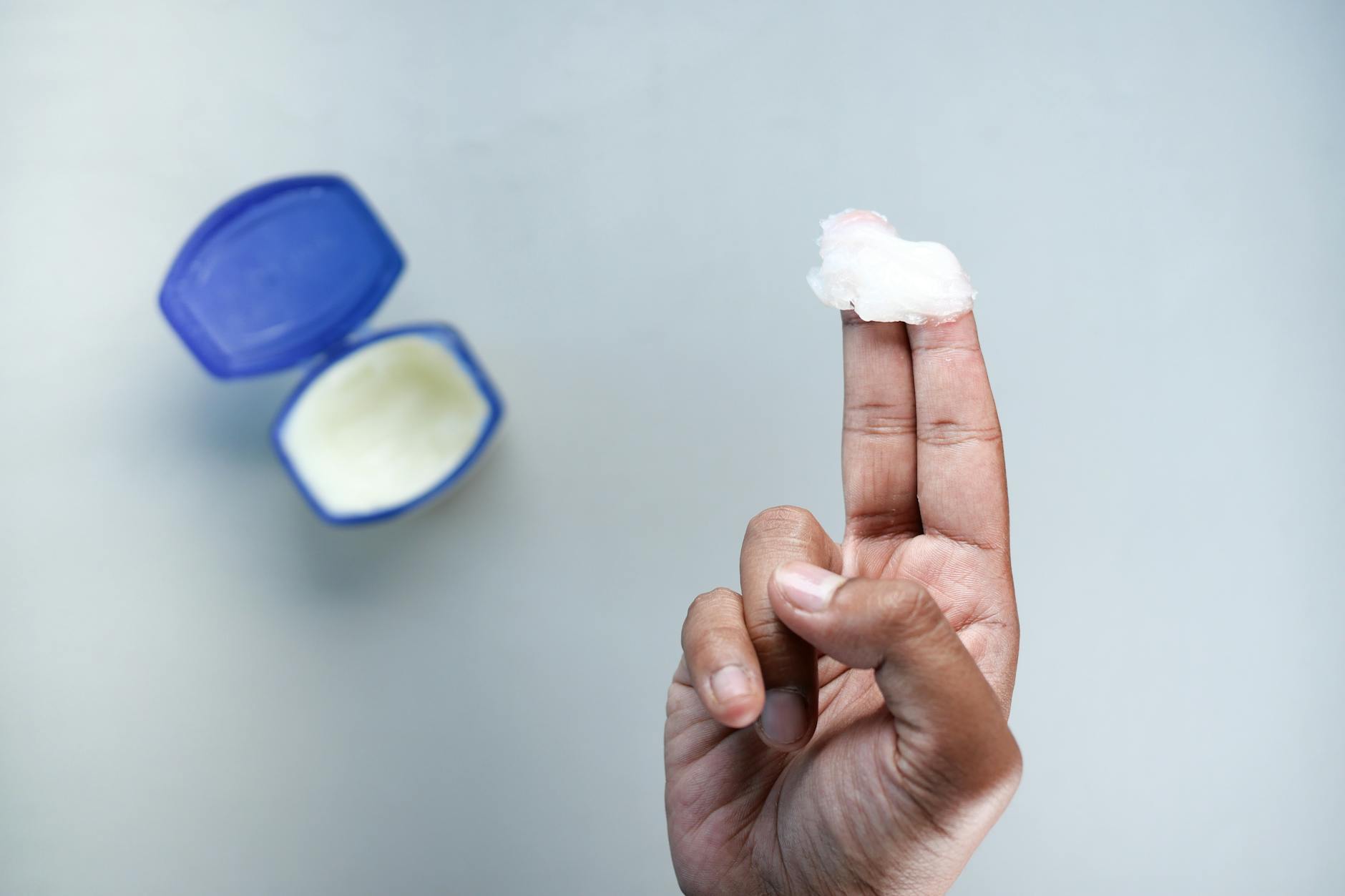
The safest application method is topical application to the chest or upper back, never the face or nostrils, where your loved one might accidentally inhale particles or touch their eyes. Apply a small amount (roughly a nickel-sized dab) directly to clean, dry skin, and gently rub it in. Always wash your hands thoroughly afterward—this is crucial because if you have Vicks residue on your hands and then touch your eyes, mouth, or food, you can transfer it. A significant limitation of Vicks use in dementia care is that many people with cognitive decline cannot reliably remember not to eat it, not to rub it in their eyes, or not to try to wash it off immediately, which is why close supervision during and after application is essential.
Some caregivers find it helpful to apply Vicks VapoRub to their own chest or hands first, so their loved one experiences the scent through proximity and comfort rather than direct application. This reduces the risk of the product being ingested or misused. Alternatively, some dementia care facilities use Vicks-infused vapor rub patches or personal vapor inhalers under supervision, which eliminate direct skin contact entirely. Never apply Vicks under the nose or inside the nostrils—the menthol vapors can be too strong and cause irritation, and there is always a risk that your loved one will inhale particles or attempt to remove the product with their fingers, spreading it to eyes or mouth.
How Familiar Scents Support Emotional Comfort During Holidays
Dementia progressively impairs memory, language, and reasoning, but sensory memory—the ability to recognize and respond emotionally to familiar smells, tastes, sounds, and textures—can remain relatively intact much longer. A person who can no longer speak in full sentences or remember their own children might still relax or smile at the smell of a product or food their body associates with safety and care. During the busy, often confusing holiday season, when routines change, unfamiliar people visit, and a person with dementia may feel more anxious or agitated than usual, a familiar scent like Vicks can serve as a subtle anchor.
This is why scent-based comfort is often underestimated in dementia care. You’re not using Vicks VapoRub primarily as a medical intervention during the holidays—you’re using it partly as a tool to signal “I’m here, things are okay, this familiar feeling means safety.” Some caregivers report that applying a small amount of Vicks to a tissue and placing it near their loved one’s pillow, rather than on their skin, provides the emotional benefit without the supervision burden. This method works best when your loved one has no history of trying to eat tissues or when you can observe them safely.

Holiday-Specific Timing and Caregiver Coordination
The holiday season disrupts normal caregiving routines—extended family visits, changed meal times, temperature fluctuations from going in and out of warm buildings, and heightened stress all make illness more likely and management harder. If you plan to use Vicks VapoRub as part of your holiday care approach, decide in advance when and how you’ll apply it. For instance, if your loved one typically naps after lunch, that might be the best time for application, when they’re drowsy, less likely to be confused or agitated, and when you have time to ensure they won’t touch their face immediately afterward.
Communicate your plan to other family members and caregivers who will be present during the holidays. A common problem arises when one caregiver applies Vicks and another caregiver, unaware of the application, doesn’t supervise properly or answers your loved one’s questions about the unfamiliar sensation without knowing what was applied. A comparison to standard medication management is useful here: you wouldn’t give a dose of cold medicine without telling other caregivers, and the same principle applies to topical products. If you’re having multiple people help with care during the holidays, a simple note—”Vicks applied to chest at 2 PM, do not let them wash it off for at least 30 minutes”—can prevent confusion and safety lapses.
Common Safety Concerns and How to Manage Them
The primary safety risk with Vicks VapoRub in dementia care is ingestion. The product contains camphor, menthol, and eucalyptus oil—ingredients safe in small amounts on skin but potentially harmful if swallowed. A person with early-stage dementia might forget that Vicks isn’t food or medicine to eat and attempt to lick it off their chest or from their hands. A person with advanced dementia might not distinguish between Vicks-scented hands and the smell of food, and grab your hand to mouth. Signs of accidental ingestion include nausea, vomiting, confusion, or unusual drowsiness.
If you suspect ingestion, contact Poison Control immediately (1-800-222-1222 in the US) rather than waiting to see if symptoms develop. Skin irritation is a secondary concern, especially if your loved one has sensitive skin, is taking blood thinners (which can increase bruising), or has skin conditions like eczema or psoriasis. Apply a tiny amount to a small area first to check for redness or reaction before using it more broadly. The menthol warming sensation can be mistaken for pain by someone with dementia, causing unnecessary distress—some people with cognitive decline become very agitated if their skin suddenly feels unusually warm or cold without understanding why. Watch for signs of distress (pulling at their shirt, trying to wash the area repeatedly, complaints of burning) and remove the product with mild soap and water if they show discomfort.

Combining Vicks with Other Holiday Respiratory Care Practices
Vicks VapoRub works best as part of a broader approach to respiratory health during the holidays, not as a standalone solution. Humidity is one of the most effective, underused tools: running a cool-mist humidifier in your loved one’s bedroom at night helps ease congestion and coughing far more effectively than topical rubs, and it poses no ingestion or confusion risk. If you use both a humidifier and Vicks, apply the Vicks during the day when you can supervise, and let the humidifier do the work at night when they’re sleeping.
Encouraging fluids (water, warm broth, herbal tea) is far more important than any topical product and is something you can do throughout the day. Hand washing and basic illness prevention—keeping your loved one away from guests who are coughing or sick, encouraging family members to wash hands before touching them—matter more than comfort measures. A tradeoff to consider: the time and attention required to safely apply and supervise Vicks use might be better spent on ensuring adequate hydration, adequate rest, and minimizing exposure to sick visitors. For someone with advanced dementia, the supervision burden and agitation risk of applying a product they don’t understand might outweigh the modest comfort benefit.
Planning Ahead for a Safer Holiday Season
If Vicks VapoRub has been part of your loved one’s care routine before, it makes sense to continue using it during the holidays—you already know they tolerate it and how they typically respond. If you’re considering introducing it for the first time, the holiday season is a busy time to start something new. Try it during a quieter period first, so you can observe how your loved one reacts without the added stress of holiday visitors and schedule changes.
Get feedback from your loved one’s doctor, especially if they take medications that might interact or if they have any skin conditions or swallowing difficulties. Looking forward, the most important thing is recognizing that managing illness during the holidays for someone with dementia is fundamentally different from managing it for yourself. Comfort measures like Vicks can play a role, but they work best within a framework of careful supervision, clear communication with other caregivers, and realistic expectations about what a topical rub can and cannot do. Use the product as one tool among many—not as a substitute for medical care, vaccination, and basic illness prevention.
Conclusion
Using Vicks VapoRub during the holiday season can provide comfort and mild symptom relief for someone with dementia, but it requires more planning and caution than using it on yourself. The primary benefits are the familiar, often-calming scent and the ritual of care it provides; the primary risks are accidental ingestion, skin irritation, and confusion about why the product is on their body.
Safe use means applying small amounts to the chest or upper back only, supervising closely to prevent ingestion or eye contact, communicating your plan to all caregivers, and watching for signs of discomfort or distress. The holidays present both opportunity and challenge: the opportunity to use familiar comfort tools and the challenge of managing them safely amid disrupted routines and stressed caregiving situations. By thinking through your approach in advance, you can make Vicks a helpful part of your holiday care strategy rather than a source of confusion or risk.
Frequently Asked Questions
Is Vicks VapoRub safe for someone with dementia?
Vicks is safe for topical use on the chest or upper back when applied in small amounts and supervised to prevent ingestion or eye contact. The main risks—accidental ingestion of the product or confusion about its purpose—require active caregiver supervision. Never apply it to the face, under the nose, or anywhere your loved one can easily reach and put in their mouth.
What should I do if my loved one swallows Vicks VapoRub?
Contact Poison Control immediately at 1-800-222-1222 (US). Don’t wait to see if symptoms develop. Have the product container available so you can tell them the exact ingredients and amount you suspect was ingested.
Can I use Vicks VapoRub on someone who takes blood thinners?
Discuss it with their doctor first. Menthol and camphor can interact with certain medications and increase bruising risk. Your doctor can advise whether it’s safe in your loved one’s specific situation.
Is there a better alternative if Vicks seems too risky for my loved one?
A humidifier is safer and often more effective, posing no ingestion or confusion risk. Warm liquids and general fluid intake also help with congestion. Some caregivers use Vicks-scented personal inhalers that eliminate direct skin contact entirely.
How often can I apply Vicks during the holiday season?
Once or twice daily is typical—for example, in the morning and before bed. Don’t apply it more frequently than the product instructions recommend. Always allow the previous application to dry or be washed off before applying again.
Should I use Vicks if my loved one shows signs of illness, or only for comfort?
Vicks provides subjective comfort and mild symptom relief only—it doesn’t treat infection or prevent illness. Use it as part of your comfort care strategy, but prioritize medical evaluation for any sign of respiratory infection, especially for older adults with dementia who are at higher risk of serious complications.