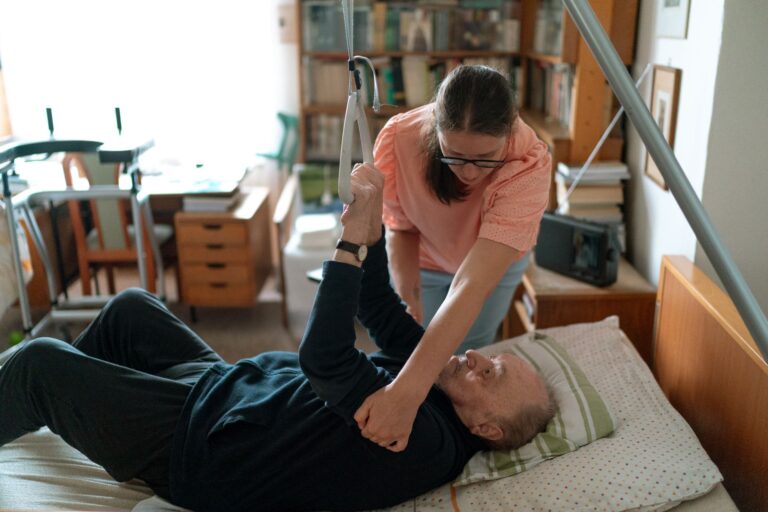
Train around sits at the center of this dementia and brain health question.
Training around pain without making it worse is a careful balance of listening to your body, choosing the right exercises, and progressing slowly. Pain is your body’s way of signaling that something needs attention, so ignoring it or pushing too hard can lead to setbacks. Here’s how you can train smartly when dealing with pain.
## Understand Your Pain
First, differentiate between discomfort from effort and actual pain that signals injury or worsening condition. Mild soreness after activity might be normal, but sharp or increasing pain means you should stop and reassess. Consulting a healthcare professional before starting any exercise program is important if you have chronic or severe pain.
## Choose Low-Impact Exercises
Low-impact activities reduce stress on joints and muscles while keeping you active:
– **Walking**: A simple way to improve circulation and joint mobility without overloading your body.
– **Swimming or Water Workouts**: The buoyancy of water supports your weight, easing pressure on painful areas while providing resistance for muscle strengthening.
– **Chair Yoga or Gentle Yoga**: These improve flexibility and strength gently; focus on slow movements and breathing rather than pushing into difficult poses.
– **Tai Chi or Qigong**: These slow-motion practices enhance balance, coordination, and relaxation without strain.
These options help maintain movement without aggravating pain.
## Modify Movements Based on How You Feel
If an exercise causes sharp pain during the movement:
– Stop immediately.
– Try reducing the range of motion (move less far).
– Slow down the pace.
– Use support like chairs or walls for stability in yoga poses.
For example, if walking normally hurts a knee, try walking backwards carefully in a safe space; this has been shown to reduce certain types of joint pain by changing muscle activation patterns.
## Incorporate Nerve Glides If Needed
Sometimes nerve irritation causes shooting pains. Gentle nerve gliding exercises can help nerves move smoothly through surrounding tissues and reduce sensitivity. For instance:
1. Lie on your back with knees bent.
2. Bring one leg toward your chest gently.
3. Extend that leg upward slowly while flexing the foot back toward you.
4. Return to start position; repeat 10–15 times per side.
This helps ease nerve-related discomfort safely at home.
## Warm Up Properly Before Exercising
Warming up increases blood flow to muscles and prepares joints for activity—this reduces injury risk:
– Walk at an easy pace for 2–5 minutes before more intense movements.
– Do gentle dynamic stretches like arm circles or leg lifts in water workouts.
Warming up also helps identify any unusual stiffness or tenderness early so you can adjust accordingly.
## Progress Gradually
Start with short sessions at low intensity focusing on form rather than speed or weight lifted. As strength improves without increased pain:
– Slowly increase duration by a few minutes each week
– Add repetitions cautiously
Avoid sudden jumps in intensity which may worsen symptoms instead of helping them heal.
## Pay Attention After Exercise Too
Notice how your body feels hours later—not just during activity—to gauge if training was appropriate:
– Mild tiredness is okay
– Persistent aching beyond 24 hours suggests overdoing it
Adjust future sessions based on these signals by scaling back as needed until tolerance builds up again safely.
Training around pain means respecting limits but not letting fear keep you inactive—movement itself often eases chronic discomfort by improving circulation, flexibility, strength, and mood when done thoughtfully with care for what feels right day-to-day.
For more, see CDC — Alzheimer’s and Dementia.