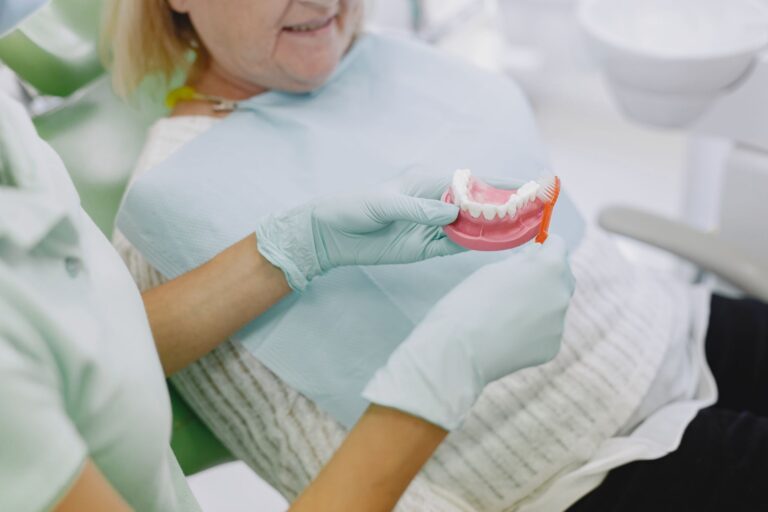
Track periodontal disease in a dementia prevention plan by keeping a visit-by-visit record of dentist-measured pocket depth, bleeding, recession and bone changes, plus a home log of gum symptoms and daily oral care. If you have a parent or sibling with Alzheimer's, share that gum record with your dentist and primary-care clinician and use it alongside control of other modifiable risks.
Periodontal disease means long-term gum infection that damages the gums and bone holding the teeth. It can cause bleeding, deep pockets around teeth, recession and tooth loosening. Tracking those signs over time shows whether mouth health is stable, improving or worsening.
Medical information disclaimer: This article is for general educational purposes only and does not provide medical advice, diagnosis, or treatment. Always consult a physician or other qualified health professional about symptoms, medications, tests, or treatment decisions.
Table of Contents
- Why family history raises the stakes
- What the gum-brain link shows
- What your dentist records at each visit
- What to log at home between visits
- How to fit gum tracking into a brain-health plan
Why family history raises the stakes
Having a parent or sibling with Alzheimer's makes a person more likely to develop the disease, according to the Alzheimer's Association in its genetics and risk page. Risk rises further with more than one affected first-degree relative. That higher starting risk makes steady prevention habits more valuable.
Family history cannot be changed, but many related risks can be managed. Blood pressure, diabetes, smoking, hearing, activity, sleep and vascular care all matter for brain health. Gum surveillance fits as one practical, repeatable part of that larger plan.
What the gum-brain link shows
A 10-year Kyushu University Hisayama study followed 1,396 adults age 60 and older, as reported in the Dental Tribune summary of the Japanese study. Bleeding gums, deep periodontal pockets and recession were linked to higher dementia and Alzheimer's risk. Researchers recorded 267 new dementia cases during follow-up.
A smaller study adds urgency for families already affected. In 59 people with mild-to-moderate Alzheimer's, baseline gum disease was tied to six-fold faster thinking decline over six months, according to King's College London and University of Southampton researchers in the Neuroscience News report. Systemic inflammatory markers also rose. The pattern suggests active gum disease may accompany faster decline once Alzheimer's is present.
What your dentist records at each visit
The U.S. National Institute of Dental and Craniofacial Research describes standard periodontal tracking as pocket depth in millimeters, bleeding on probing, recession, attachment loss and bone changes. Ask for those numbers at every exam.
Record the date, each problem tooth site and any change since the last visit. Use the same office when possible for easier comparison. Keep copies of periodontal charts and X-ray summaries with your health file. Ask whether cleaning frequency, referral or treatment should change based on trends.
What to log at home between visits
The National Institute of Dental and Craniofacial Research lists home signs that support dental surveillance: red, swollen or bleeding gums, persistent bad breath, loose teeth and visible recession. Note the date, symptom, location and what triggers bleeding.
Also log brushing twice daily with fluoride, interdental cleaning, smoking status and diabetes control. A simple monthly check helps: Bring this log to dental visits. Short notes beat memory when bleeding comes and goes.
- Look for redness, swelling, blood in spit, recession or looseness.
- Smell and taste check for persistent bad breath.
- Record brushing, flossing or interdental brush use each day.
- Record smoking, dry mouth, new medicines and blood-sugar readings if diabetic.
How to fit gum tracking into a brain-health plan
The 2024 Lancet Commission identified 14 modifiable dementia risks and estimated that addressing them could prevent or delay about 45% of population dementia cases, as summarized by the BrightFocus Foundation in its report on lifestyle changes and dementia risk. Oral-systemic health is one trackable part of that broader effort. Place your gum chart beside blood pressure, cholesterol, blood sugar, weight, activity, sleep and hearing records.
These gum-dementia studies are observational with small samples and possible reverse causation, notes a 2025 PubMed scoping review. They do not prove that treating periodontitis prevents Alzheimer's. The practical step is regular dental surveillance plus standard risk control, with prompt care for bleeding, pain, looseness or spreading recession.