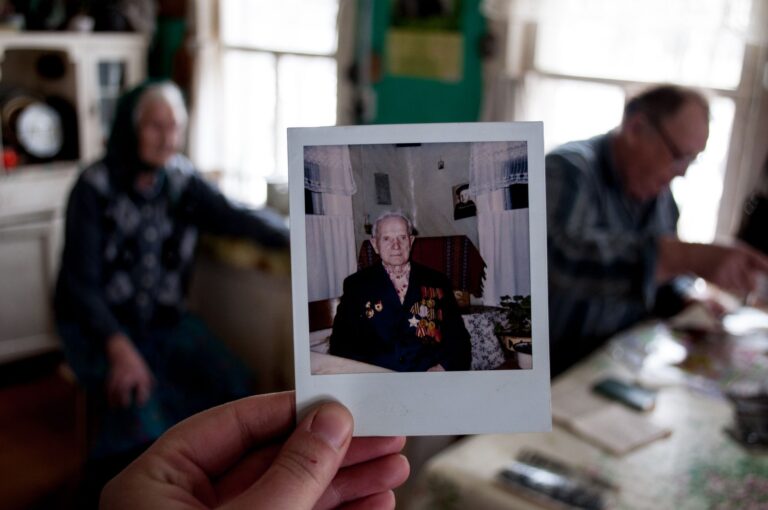
After age 65, track Alzheimer's family history by listing parents, siblings, children, grandparents, aunts, uncles, nieces and nephews with age at onset and cause of death. Put that list into a shareable family tree and bring it to your yearly Medicare Wellness visit to make a written prevention plan. Alzheimer's is a brain disease that causes memory loss and loss of thinking skills. A dementia prevention plan uses your personal and family history to guide practical steps that lower risk.
Medical information disclaimer: This article is for general educational purposes only and does not provide medical advice, diagnosis, or treatment. Always consult a physician or other qualified health professional about symptoms, medications, tests, or treatment decisions.
Table of Contents
- How much does family history change risk?
- What details should you collect?
- How do you organize and share the record?
- What about APOE and early-onset genes?
- How does history shape prevention after 65?
How much does family history change risk?
A parent or sibling with Alzheimer's makes it more likely you will develop it, the Alzheimer's Association notes. Risk rises further when more than one close relative is affected. Having one affected first-degree relative raises risk, with relative risk of 1.73, according to the Utah genealogy analysis published in Neurology.
Having two or more affected first-degree relatives raises it further, with relative risk of 3.98. Family history is not required to develop Alzheimer's. Many people with no affected relatives still develop it.
What details should you collect?
Start with close blood relatives and then widen the circle. Include parents, siblings, children, grandparents, aunts, uncles, nieces and nephews. For each relative, record Alzheimer's or other dementia, age at onset, and cause of death, as the CDC family-history guidance recommends.
Add death certificates and medical records when memory is unclear. Use family gatherings to fill gaps. Ask who had memory problems, at what age signs began, and how the diagnosis was made.
How do you organize and share the record?
Put the information into one clear tree. The U.S. Surgeon General's free My Family Health Portrait tool organizes history into a shareable tree for doctors and relatives, described in this CDC public-health article.
Print a copy or share the file before the visit. Bring updates each year, especially new diagnoses, onset ages, and deaths. Medicare Part B covers a yearly Wellness visit that reviews medical and family history, checks thinking for dementia signs, and creates a written prevention plan, according to the Medicare coverage page. That written plan also lists needed screenings and vaccines.
What about APOE and early-onset genes?
The National Institute on Aging distinguishes common risk genes from rare cause genes. APOE-e4 increases late-onset Alzheimer's risk and may lower onset age, but it does not guarantee disease. Many patients lack APOE-e4, so it cannot predict any one person's outcome.
A positive result means higher risk, not a diagnosis. Rare variants in APP on chromosome 21, PSEN1 on chromosome 14, and PSEN2 on chromosome 1 directly cause early-onset Alzheimer's before age 65. Those patterns warrant genetic counseling, unlike common late-onset risk.
How does history shape prevention after 65?
Your tree helps the doctor decide what to watch and what to act on first. Fully addressing 14 modifiable factors across life could prevent or delay about 45 percent of dementia cases, per the July 2024 Lancet Commission update.
For adults over 65, the CDC points to 150 minutes of weekly activity, control of blood pressure, diabetes and cholesterol, treatment of hearing loss, social and mental activity, and avoiding head injury and excess alcohol. Your family pattern can make blood-pressure checks, hearing tests, exercise, sleep, and social plans more urgent.
- List relatives, onset ages, and deaths
- Build a shareable tree
- Bring it to your Wellness visit
- Review blood pressure, hearing, activity, and social habits
- Update the tree when family diagnoses change