Simplify picture bingo by matching the card, rules, pace, and help to the person's abilities today. Picture bingo uses images instead of numbers, so players find and mark a pictured item when it is called or shown. The aim is participation and enjoyment, not finishing a card independently or winning a competitive game. Familiar activities can remain meaningful when they fit a person's current skills, physical abilities, and interests, according to the Alzheimer's Association.
Medical information disclaimer: This article is for general educational purposes only and does not provide medical advice, diagnosis, or treatment. Always consult a physician or other qualified health professional about symptoms, medications, tests, or treatment decisions.
Table of Contents
- Start with the easiest possible card
- Remove rules that create pressure
- Give one prompt, then wait
- Change the setting and the pace
- Use a partner when independent play no longer works
Start with the easiest possible card
Use fewer pictures per card and choose images the person knows well, such as a cup, dog, apple, or familiar flower. Avoid cards crowded with tiny or similar-looking pictures. Make the images large, high contrast, and clearly separated.
The Alzheimer's Society recommends at least 14-point Arial for printed information and notes that many people with dementia also have visual impairment. Alzheimer's Society guidance on dementia-friendly documents supports using easy-to-see print and visuals. Offer an easy marker, such as large tokens, colored paper squares, or a finger point. If grasping and placing tokens becomes difficult, the player can simply point to the matching picture.
Remove rules that create pressure
Drop scoring, competition, and the need to call "Bingo." An easier win condition might be finding one picture, completing a row with help, or simply matching pictures for a few minutes. Try one clear format at a time: The Alzheimer's Society's advice on adapting games specifically supports simplifying rules as abilities change.
- Show one picture and ask the player to find the same picture.
- Say the picture's name, then show it as a cue.
- Let the player cover any picture they recognize.
- End the round after a small number of matches.
Give one prompt, then wait
Give a single direction, such as "Find the apple," instead of explaining the whole game. Point to the card or demonstrate placing a marker before expecting the player to act.
Allow extra time after each prompt. The Alzheimer's Association recommends visual cues, short sentences, and extra response time, while recognizing that hearing, vision, language, and day-to-day abilities differ from person to person in its Dementia Care Practice Recommendations. If the person does not respond, offer a choice rather than correcting them: "Is the apple here or here?" A calm prompt preserves the activity's social purpose better than repeated testing.
Change the setting and the pace
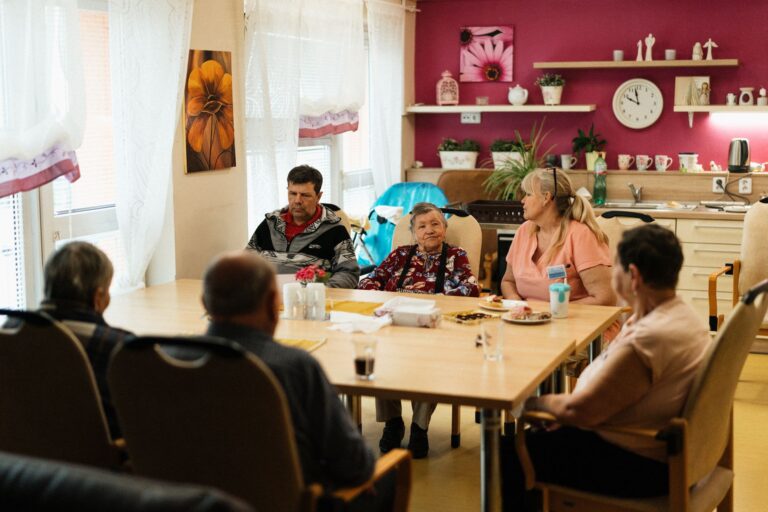
Play in a quiet, well-lit space with the television, music, and nearby clutter reduced. Dementia-care recommendations emphasize limiting background noise and distractions while providing good lighting, which can make the game easier to follow.
Alzheimer's Association practice guidance Keep rounds short and stop when attention drifts, frustration rises, or the person seems tired. A later attempt may go better than pushing through a difficult moment.
Use a partner when independent play no longer works
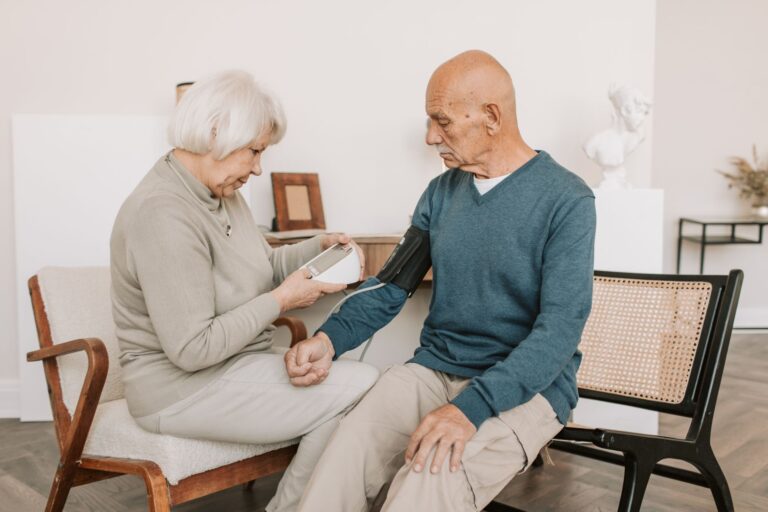
Play as a pair. A caregiver, friend, or fellow resident can read the prompt, hold the card steady, point to likely matches, or place the marker after the player indicates a choice.
Team play keeps the person involved without making every step a test of memory or coordination. The Alzheimer's Society recommends adapting games to support inclusion, including playing together when that reduces pressure.