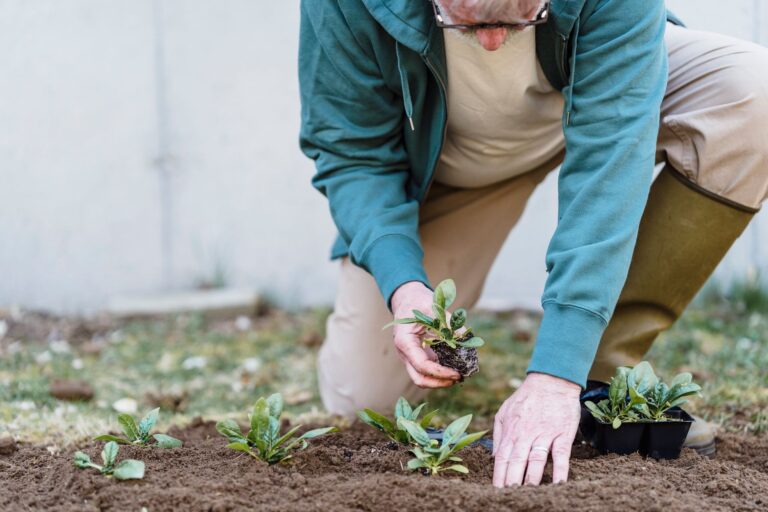
Simplify indoor gardening on a low-energy dementia day by offering one seated, one-step task with a tough non-toxic plant at table height. Keep it brief, repeatable, and sensory, then stop while attention and comfort last.
Horticultural therapy means structured plant activities that support mood, communication, and engagement. A Thrive charity summary of an Italian review found 14 of 16 quantitative studies reported significant improvements after garden visits or horticultural therapy review summary. Gains were strongest for agitation, mood, stress, engagement, and falls.
Medical information disclaimer: This article is for general educational purposes only and does not provide medical advice, diagnosis, or treatment. Always consult a physician or other qualified health professional about symptoms, medications, tests, or treatment decisions.
Table of Contents
- Pick one task, not a project
- Keep only easy, low-maintenance plants
- Set the table for seated reach
- Invite the senses and keep handling safe
Pick one task, not a project
On tired days, the Alzheimer's Foundation of America advises one-step, repeatable indoor tasks rather than multi-step projects dementia-friendly gardening ideas. Good choices include filling soil, sowing large seeds, watering, smelling herbs, or arranging cut flowers. One familiar action lowers confusion and lets the person succeed without hurrying.
Keep the rhythm simple and seated. Offer one choice at a time and repeat the same task across days. Watch for fatigue and end early. Success is calm participation, not a finished pot.
- Fill one small pot with soil.
- Press in two or three large seeds.
- Water lightly, then smell or arrange herbs.
Keep only easy, low-maintenance plants
The Alzheimer's Society UK lists suitable indoor options such as spider plant, parlour palm, Boston fern, begonia, African violet, culinary herbs, and salad leaves houseplant ideas. These choices suit low light and simple care, which matters when energy is short.
Cornell University notes spider plants tolerate neglect and lower light. Water only when the top one to two inches of soil feel dry, and give bright-to-medium indirect light. They can survive in dimmer rooms, so you do not need a perfect window.
Set the table for seated reach
Thrive, a gardening and disability charity, recommends placing pots, trays, and raised beds at table or waist height. This removes bending and kneeling and lets wheelchair users reach, water, and weed by hand.
Use a sturdy table with a wipeable cover and keep all tools within arm's reach. Choose a small watering can, one bag of soil, and one tray to limit lifting and spills. Sit beside the person, not across, so you can guide gently without rushing.
Invite the senses and keep handling safe
A National Library of Medicine case study found crushing leaves for smell, feeling textures, and naming memories increased talking, smelling, and touching. Offer fragrant herbs and textured foliage and let the person lead with nose or fingertips. In adult day and residential care, 51 people with dementia showed higher mood, communication, and engagement during structured horticultural-therapy activities.
The comparison came from routine activities in a National Library of Medicine collection. ASPCA experts warn that non-toxic does not mean edible because any chewed plant material can cause vomiting or stomach upset plant safety guidance. Supervise handling and keep soil, sharp tools, and unfamiliar plants out of reach. Stay close, offer hand washing after touching soil, and put materials away when the activity ends.