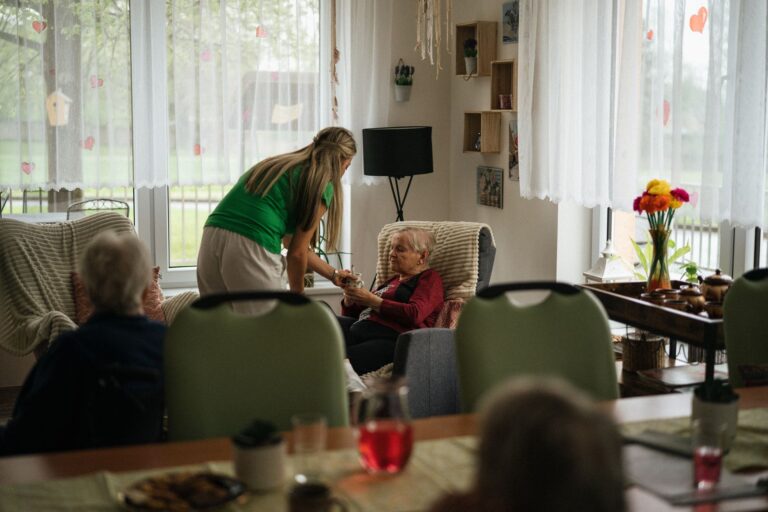
Reduce frustration during familiar music sessions by choosing personally meaningful songs, keeping the volume comfortable, limiting the session, and removing pressure to participate. A familiar music session—shared listening or simple music-making with recognized songs—should stop or change as soon as the person shows distress. These steps can make a session more comfortable, but personalized music is not a proven general treatment for agitation. A 2024 randomized trial involving 976 nursing-home residents found no significant reduction in overall agitated or aggressive behavior after four months, though observers recorded less verbal agitation and more pleasure in the Brown University researchers' study.
Medical information disclaimer: This article is for general educational purposes only and does not provide medical advice, diagnosis, or treatment. Always consult a physician or other qualified health professional about symptoms, medications, tests, or treatment decisions.
Table of Contents
- Choose songs with personal meaning
- Make the setting easier to tolerate
- Respond to discomfort without arguing
- Check whether the music is really the problem
- Know when specialist help may be useful
Choose songs with personal meaning
Build a short playlist from the person's strongest favorites and important life memories. A wedding song, spiritual song, dance tune, or music linked to family may be more suitable than a whole album or a generic "oldies" collection. Playlist for Life emphasizes personal meaning, not familiarity alone, in its playlist guidance for caregivers. Offer one song at a time and watch the response.
Do not quiz the person about the title, singer, or associated memory. Remembering a tune does not mean the person can explain why it matters. Singing is optional. The Alzheimer's Society notes that many people with dementia retain familiar tunes or lyrics; humming, clapping, and tapping can provide alternatives when singing or instruments feel difficult, according to its Activities Handbook.
Make the setting easier to tolerate
Check the speaker, headphones, and hearing-aid volume before every session. Begin quietly and adjust only after observing the person. Excessive volume may startle, hurt, or distress someone who cannot easily explain the problem. Keep the session shared and time-limited.
About 30 minutes is a rough guide, not a target to reach. End sooner if attention fades, fatigue appears, or the person tries to leave. Avoid constant background music and unattended headphone use. Reduce other noise, sit nearby, and make participation an invitation rather than a task.
Respond to discomfort without arguing
Watch facial expression, posture, movement, speech, and attempts to turn away. If a song causes agitation or clear distress, stop it immediately, record it as a "red flag," and do not replay it. Playlist for life also warns that familiar music may evoke painful memories and explains these precautions in its safe-use guidance.
Crying needs a closer look rather than an automatic response. If the person seems moved but not distressed, stay quietly present. If crying comes with fear, agitation, withdrawal, or an apparent wish to stop, end the session. When frustration rises:.
- Pause the music and lower surrounding noise.
- Reassure the person in a calm voice.
- Do not correct, argue, test memory, or demand participation.
- Offer a quieter song or switch to another activity.
- Record what happened, including the song, volume, timing, and visible response.
Check whether the music is really the problem
Frustration during music may reflect pain, fatigue, medication effects, confusion, excessive noise, or pressure to perform. The National Institute on Aging lists these kinds of factors when discussing agitation and aggression in Alzheimer's disease. Consider what changed immediately before the reaction.
A favorite song may still be poorly timed when the person is tired, uncomfortable, or overwhelmed. Repeated distress across different songs makes a non-music cause more likely. Do not keep experimenting while the person remains upset. Settle the immediate situation first, then share recurring patterns with the people responsible for the person's care.
Know when specialist help may be useful
Personalized listening is not the same as clinical music therapy. A board-certified music therapist assesses the person and adapts musical choices, volume, pace, and intensity to their responses.
Specialist input may be useful when music repeatedly triggers difficult memories, strong distress, or unpredictable reactions. Until the cause is understood, keep identified red-flag songs off the playlist.