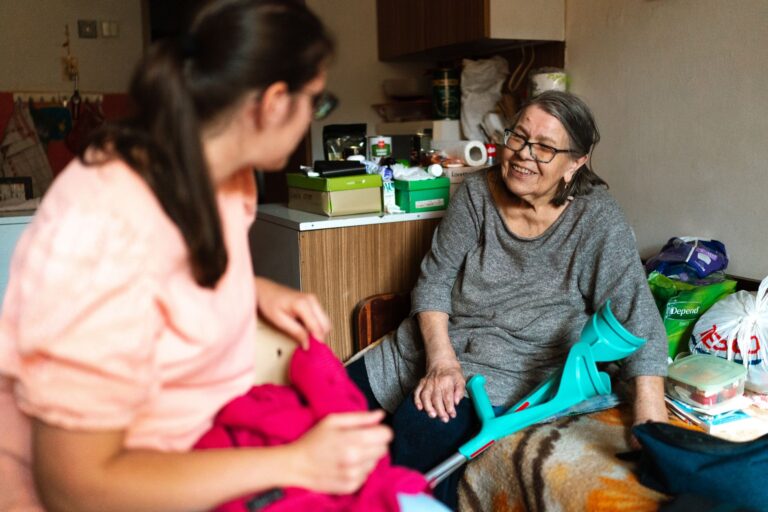
A pet visit for dementia caregivers is a planned, supervised meeting between a person living with dementia and a calm therapy animal or robotic pet. This guide walks through deciding if visits fit, arranging a safe visit, and supporting a calm interaction. The Alzheimer's Association reports animal therapy is accessible and inexpensive and can improve mood and ease social interaction for people living with dementia, including living and robotic animals, as described in Alzheimer's Association coverage of pet power. A good visit depends on matching the animal, setting, and health rules to the person.
Medical information disclaimer: This article is for general educational purposes only and does not provide medical advice, diagnosis, or treatment. Always consult a physician or other qualified health professional about symptoms, medications, tests, or treatment decisions.
Table of Contents
- Is a visit a good fit right now?
- How do you arrange a safe visit?
- What helps during the visit?
- How do you reduce infection risk?
- When is a robotic pet the better choice?
Is a visit a good fit right now?
Start with dementia stage, past liking of animals, fears, and allergies. Also weigh your time, backup help, and daily routine demands. Pet Partners advises this check plus a short trial visit or foster before any live-animal placement, detailed in Pet Partners guidance on dementia care.
Use a brief trial to watch comfort, attention, sleep, and next-day mood. Keep the first meeting short, quiet, and easy to end. Choose a familiar room, low noise, and one animal only.
How do you arrange a safe visit?
For facility visits, use a registered therapy-animal team. Ask about handler training, veterinary screening, obedience evaluation, and dementia-specific education before scheduling.
Infection experts recommend this facility setup to keep visits orderly and traceable, according to Society for Healthcare Epidemiology guidance on animal visits. Do not bring a personal pet as a therapy stand-in.
- Confirm the facility has a written animal-visit policy and a designated liaison.
- Ask that only trained and evaluated dogs and handlers serve as volunteer teams.
- Ask how staff log rooms and persons visited.
- Confirm vaccines, parasite control, grooming, and sick-day rules.
- Set date, length, entry route, hand-washing spots, and exit plan.
What helps during the visit?
Let the animal carry the social lead. Offer simple choices, such as pet or watch, and use short sentences. Pet Partners advises handlers not to argue or correct a person who mistakes identity or time, but to stay calm, simplify words, and let the animal support connection. Sit at eye level when possible and keep hands near the animal's back or side.
End while the mood is still positive. Thank the person, handler, and staff, then note what worked. Watch for fatigue, restlessness, pulling away, loud speech, or allergy signs. Pause for water, toileting, or rest, then stop if distress continues. One calm ten-minute meeting beats a long strained one.
How do you reduce infection risk?
Everyone who touches the therapy animal should clean hands before and after contact. Handlers should keep animals away from wounds, bandages, tubes, and other invasive devices. Animals should not lick faces or share mouth-carried toys between facilities without disinfection.
Bring alcohol hand rub if sinks are far. Keep treats in handler hands, not visitor pockets. Wipe leashes, carriers, and hard toy surfaces per facility rules.
When is a robotic pet the better choice?
A robotic cat or dog is practical when live care is unsafe, time is short, or allergies, fall risk, or facility rules block animals. New York's aging office distributed about 4,000 animatronic pets and Washington agencies distributed over 700 to isolated older adults and people with dementia, reported by AARP in AARP reporting on robotic companion animals. Introduce the device during a calm moment.
Model stroking, name it simply, and leave it within reach. Remove it if it causes confusion, distress, or sleep disruption. Reviews find mixed effects on agitation, thinking, and quality of life, so use visits to supplement supervised care, not replace it.