Making a hotel room safer for someone with dementia requires deliberate planning before arrival and careful modification once you’re there. The safest hotel rooms remove unnecessary items that could cause confusion or injury, ensure clear pathways to exits and bathrooms, and use consistent lighting throughout. If your loved one has moderate dementia and sometimes forgets where they are at night, you might remove the extra chair from the corner, unplug the decorative lamp on the desk, tape down frayed carpet edges, and place a nightlight in the bathroom—these changes take about 30 minutes but can prevent falls and reduce nighttime disorientation.
Hotel rooms present hazards that most guests never think about, but they become real problems for people with dementia. An unfamiliar layout, low lighting in the hallway, multiple door locks, and decorative items scattered around all contribute to confusion, anxiety, and falls. Unlike a home where you can make permanent changes, a hotel room requires you to think like a safety inspector for a few days or a week.
Table of Contents
- Why Hotel Environments Present Unique Risks for People With Dementia
- Removing Hazards and Clutter From the Hotel Room
- Lighting and Navigation: Reducing Confusion in Unfamiliar Spaces
- Creating a Calming Environment: Temperature, Sound, and Sensory Needs
- Door Safety and Wandering Prevention in Hotel Settings
- Medication and Medical Equipment Management During Hotel Stays
- Working With Hotel Staff to Support Your Accommodations
Why Hotel Environments Present Unique Risks for People With Dementia
People with dementia rely heavily on familiar visual landmarks and consistent environments to feel secure. A hotel room—with its generic furniture, unfamiliar light switches, confusing door arrangements, and layouts that vary from one room to another—strips away those markers. Your loved one may wake at 2 a.m., forget they’re staying in a hotel, and panic trying to find the bathroom or the exit. This disorientation can trigger wandering, aggression, or dangerous decisions like opening a window or trying to leave the building. The physical design of hotel rooms amplifies these risks. Most hotel bathrooms are small and poorly lit.
Hallways between rooms are narrow, with doors that all look identical. Elevators require navigation that someone in mid-stage dementia may not manage alone. There are multiple locks on doors, and some guests forget they’re locked in or locked out. Compare this to a familiar home where a person with early dementia might still navigate safely despite confusion—the brain has learned the path many times, and muscle memory carries them forward even when conscious memory fails. Hotel staff, while well-meaning, usually don’t understand dementia-specific safety needs. They see a guest who looks fine during check-in and may not realize that at night, that same person becomes disoriented in darkness. They’re not trained to recognize that a guest is wandering because they’re confused, not because they want to explore.
Removing Hazards and Clutter From the Hotel Room
Start your safety audit by identifying and removing items that don’t support your loved one’s basic needs. Hotel rooms typically come with desk chairs, extra cushions, decorative lamps, mini-fridges stocked with expensive snacks, coffeemakers, and multiple throw pillows on the bed—none of which your loved one needs. These items create visual clutter that increases anxiety and creates tripping hazards. Remove the desk chair, extra throw pillows, any free-standing decorative items, and anything on the floor or in walkways. Ask the hotel to store the extra furniture in another room rather than cluttering your space. Pay particular attention to bathroom safety. Remove the bath mat if it’s loose and could cause a trip; wet mats are especially dangerous.
Check that grab bars are actually secure—hotel grab bars are sometimes decorative and won’t support weight. Look at the edge of the tub or shower for slippery surfaces; bring a non-slip mat if the hotel doesn’t have one. Remove cleaning supplies, extra towels stacked on shelves, and anything from under the sink. Some hotel bathrooms have low lighting over the toilet area; bring a small battery-operated light or lamp to add illumination. A significant limitation of this approach is that hotels may not allow you to remove items or may question why you’re rearranging furniture. Some hotels think guests are being demanding or disrespectful of property. Arrive early enough to make these changes without rushing, and if staff questions you, calmly explain that your family member has cognitive challenges and needs a safer layout. Most hotels will cooperate once they understand the reason, but some won’t, and you need to decide whether you can make the room safe enough to stay.
Lighting and Navigation: Reducing Confusion in Unfamiliar Spaces
Darkness is one of the most dangerous conditions for someone with dementia in a hotel. When lights go off at night, the brain loses its reference points, and spatial disorientation jumps dramatically. Many people with dementia experience “sundowning,” where confusion and anxiety increase in late afternoon and evening. A dark hotel room at 3 a.m. is a setup for wandering, falls, or panic. Invest in portable nightlights for your trip—the kind that plug into outlets and cast a soft, continuous glow. Place one in the bedroom (not so bright that it disrupts sleep, but visible enough to see the path to the bathroom), one in the bathroom itself (over the toilet, not the sink), and one near the exit door.
You want your loved one to be able to see their way without thinking. An example: a 74-year-old woman with mid-stage Alzheimer’s stayed in a hotel without nightlights and woke at night panicked, unable to find the bathroom. She ended up using the corner of the room instead, then became distressed when she realized what she’d done. Her daughter returned the next night with three small LED nightlights, and the problem stopped immediately. Test the light switches before bedtime so you both know which switch controls which light. Some hotel rooms have confusing switch arrangements where one switch controls only part of a room. Label the main light switch with a small piece of tape or a sticky note if needed—it takes 10 seconds and gives your loved one a clear target. Avoid relying on your loved one to find lights on their own at night; the cognitive load is too high when they’re disoriented and tired.
Creating a Calming Environment: Temperature, Sound, and Sensory Needs
The sensory environment of a hotel room—temperature, noise, smell—directly affects how calm or agitated someone with dementia becomes. Hotels often blast air conditioning or heat, have thin walls that transmit noise from neighboring rooms and hallways, and carry unfamiliar smells from cleaning products or previous guests. All of these can heighten anxiety and confusion. Control temperature by adjusting the thermostat early and checking it often. Some people with dementia become very sensitive to being too hot or too cold, and fluctuating temperatures can trigger agitation. If you’re in a noisy area (near an elevator, ice machine, or busy hallway), ask to be moved to a quieter room if possible—this is one of the easiest accommodation requests hotels can honor.
Bring earplugs or a white noise app on a phone or tablet to mask hallway sounds. Some people find that familiar music playing softly in the background (a specific artist or type of music your loved one has always enjoyed) is more calming than silence, because silence in an unfamiliar place is often anxiety-producing. There’s a tradeoff here: the room environment you optimize for sleep and calm might feel boring or isolating to you. You may be tired of the nightlights, the white noise, or the lack of visual stimulation. But the goal is your loved one’s safety and comfort, not your entertainment during the stay. If you’re sharing the room, you may need to compromise—earplugs for you, a lower volume on white noise for them, or taking shifts if one of you sleeps much better in those conditions than the other.
Door Safety and Wandering Prevention in Hotel Settings
One of the hardest safety challenges in a hotel is preventing your loved one from leaving the room unsupervised or getting lost in hallways. Unlike a home where you might use a simple baby gate, a hotel room has a locked door that requires a key card or understanding of deadbolts—skills that someone with moderate or advanced dementia may have lost. If your loved one is at risk of wandering, you have limited options. Some families place a Do Not Disturb sign on the door and position themselves to know immediately if the door opens. Others request a room near the front desk so staff can see the hallway.
If your loved one still has some ability to understand instructions, you can repeatedly explain that they must tell you before going outside. Some people with dementia respond well to a simple verbal agreement: “If you want to go for a walk, you tell me first.” Write this on a card and place it near the door as a visual reminder. A critical limitation: hotel doors typically have silent locks from the inside, meaning your loved one could leave without you hearing it immediately. If they’re in late-stage dementia or have a history of wandering and elopement, a hotel stay may be too risky without constant supervision—someone awake and alert at all times. Some hotels offer connecting rooms so a caregiver can be right there, or you might choose to stay with family or in a rental home instead, where you have more control over exits. This isn’t a failure on your part; it’s a realistic assessment of risk.
Medication and Medical Equipment Management During Hotel Stays
Traveling with medications is complicated for anyone but especially for someone with dementia. A person who forgets to take their medications or doesn’t remember if they’ve already taken them can easily overdose or miss doses. The stress and change of environment that comes with travel also means your loved one may be more confused than usual, making them less reliable about self-managing medications. Keep all medications in a clearly labeled daily pill organizer that you manage completely.
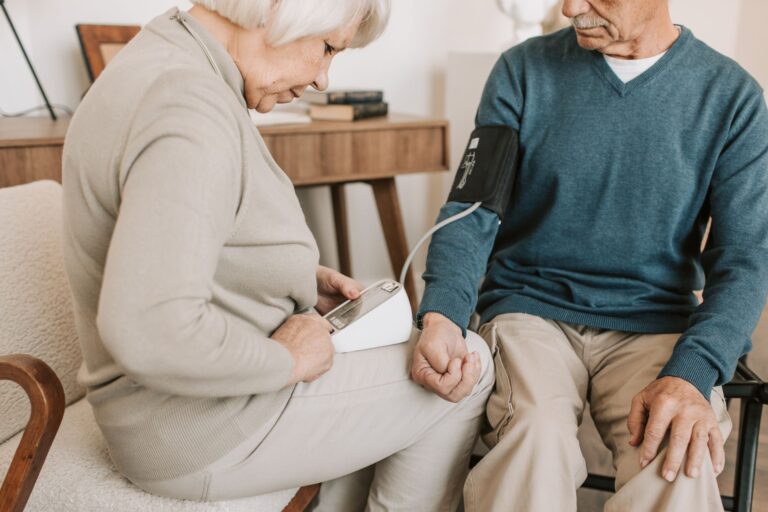
Don’t rely on your loved one to remember when to take their pills or to retrieve them from the bottle. Set phone alarms as reminders to give medications at the right times. If your loved one uses medical equipment—a CPAP machine, blood pressure monitor, glucose meter—bring it and set up a routine so they use it at the same time every day, the same way they do at home. Bring copies of recent lab results and a list of current medications in case of emergency, and know the name and number of their primary care doctor and any specialists.
Working With Hotel Staff to Support Your Accommodations
Before you arrive, call the hotel and explain that your family member has dementia. You don’t need to share all medical details, but a simple statement like, “My father has memory loss and cognitive changes. He may seem confused at times, and I want to make sure your staff knows this” can change how they interact with him. Ask if they can note his room number in the system so that if he appears confused in the hallway, staff can help him return to his room rather than thinking he’s a problem guest. When you arrive, introduce yourself and your loved one to the front desk staff and housekeeping.
Show staff a photo of your loved one (if possible) and let them know you’re available at your room number if there’s any issue. One family had a breakthrough when they gave the front desk staff a printed card that said: “My mother has Alzheimer’s disease. If you see her in the hallway or lobby alone, please call room [number]. Thank you.” The staff became her informal safety net, and instead of alerting security, they called the room when they spotted her walking toward the elevator. This simple communication prevented two potential incidents during a three-day stay.
- —