Cognitive training means structured practice on memory, attention and problem-solving tasks. In the 2026 WHO dementia guideline, it can help midlife adults with normal thinking or mild impairment lower decline risk within a wider plan.
The World Health Organization published the second edition on 15 July 2026, updating the 2019 version. It said up to 45% of dementia risk could be prevented or delayed by addressing modifiable factors in the WHO announcement. Training works best alongside vascular, sensory and lifestyle care.
Medical information disclaimer: This article is for general educational purposes only and does not provide medical advice, diagnosis, or treatment. Always consult a physician or other qualified health professional about symptoms, medications, tests, or treatment decisions.
Official resources:
- Read the original research from NIH — Use this page to review the original research.
- Read the official guidance from Who — Use this primary source to verify the official guidance.
Table of Contents
- What did WHO recommend for thinking and social life?
- How much can brain training help?
- What belongs in a realistic midlife plan?
- What should you skip or handle with care?
What did WHO recommend for thinking and social life?
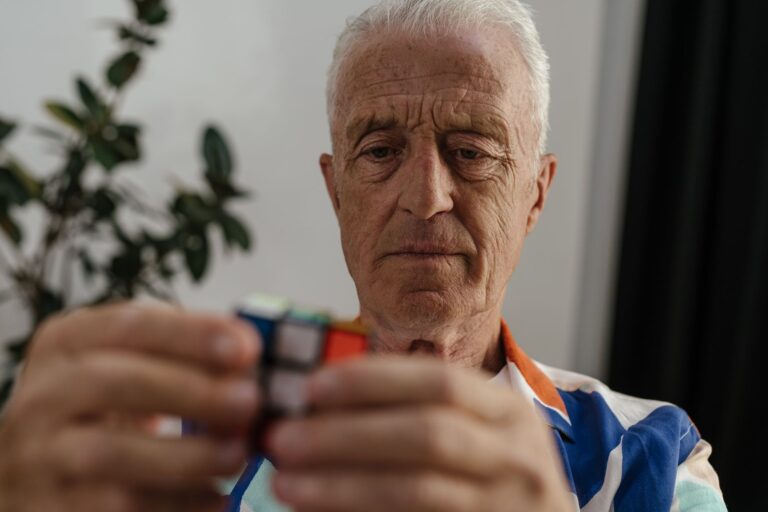
The World Health Organization recommends cognitive training, cognitive stimulation and social-activity engagement for adults with normal cognition or mild cognitive impairment. Mild cognitive impairment means noticeable memory or thinking changes that do not block daily life. The goal is to reduce risk of further cognitive decline. Training means repeated, structured tasks, such as recall exercises or speed and reasoning drills.
Stimulation and social engagement mean active mental and social participation, such as discussion groups, classes, volunteering or regular outings with others. Pick formats you will keep doing, with other people when possible. Midlife is a practical time to start because habits build early protection. A weekly class plus brief home practice beats an intense burst you quit. Track attendance and effort, not only scores.
How much can brain training help?
Pooled trials show only a small-to-moderate gain in test performance from training, about Hedges g 0.35 for overall cognition in mild cognitive impairment across 17 trials, according to Hill and colleagues in the PubMed meta-analysis. That means better scores on trained or similar tasks for many people, not a large shift for everyone. A higher test score does not equal prevented dementia. The Lancet Commission and a Yassine Lab review place the 45% figure as a population-level link across 14 modifiable factors, not a personal guarantee.
Use training for sharper daily thinking, not as proof against dementia. Expect gradual gains and uneven transfer to daily tasks. If memory, language, planning or judgment worsen, seek prompt medical review. Early review finds treatable causes and opens support sooner.
What belongs in a realistic midlife plan?
Brain health is addressed across the life course, so a midlife plan must also control hypertension, diabetes, high cholesterol, obesity, depression, smoking, hearing loss and physical inactivity, as UN News summarized from the guideline. Treat those risks with your clinician rather than tackling training alone.
The World Health Organization core lifestyle bundle is regular physical activity, stopping tobacco, reducing harmful alcohol use and eating a healthy diet, plus reducing air-pollution exposure and offering hearing aids where needed, according to UN News in the UN summary. Hearing care matters because unaddressed loss can isolate you and reduce mental input. Build a simple weekly routine you can sustain:.
- move most days, with brisk walking, cycling or similar aerobic activity
- train thinking twice weekly, plus one social or learning activity
- check blood pressure, blood sugar, cholesterol, mood, smoking and hearing on schedule
- protect sleep, eat vegetables, whole grains and lean protein, and limit alcohol
What should you skip or handle with care?
The World Health Organization advises against routine vitamin B, vitamin E, omega-3 PUFA or multivitamin and mineral supplements solely to prevent dementia without a diagnosed deficiency, as reported by News-Medical in the News-Medical report. The reason is lack of benefit to outweigh harms for prevention alone. That advice does not cover a diagnosed deficiency or a prescribed treatment. Do not start, stop or change a prescribed supplement or drug for brain protection alone.
Bring the product list to your visit and ask what still fits. Spend money and time where benefit is clearer. Choose proven hearing care, blood-pressure control, activity and sustained learning over costly brain-game subscriptions or supplement stacks. Book hearing and blood-pressure checks at your next midlife visit.
You Might Also Like
- Diabetes in the 2026 WHO Dementia Guideline: How Adults in Midlife Can Build a Realistic Brain Health Plan
- Cognitive Training in the 2026 WHO Dementia Guideline: How Adults in Midlife Can Avoid Overreading the Headline
- Smoking and Alcohol in the 2026 WHO Dementia Guideline: How Adults in Midlife Can Avoid Overreading the Headline