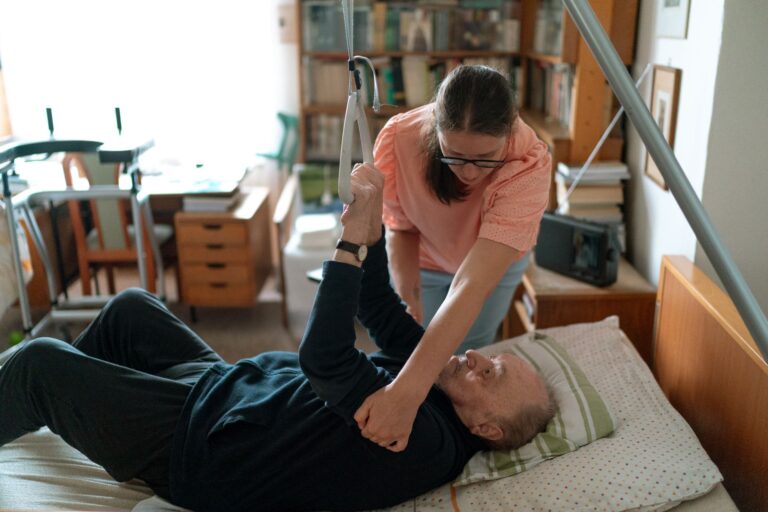
Doing too sits at the center of this dementia and brain health question.
When you start something new—whether it’s a job, a relationship, or a personal goal—it’s easy to get excited and dive in headfirst. But sometimes, doing too much too soon can backfire. How do you know if you’re pushing yourself too hard before the time is right? Here are some clear signs that might help you recognize when you’re overdoing it.
**You Feel Constantly Exhausted**
If no matter how much rest you get, fatigue sticks around like an unwelcome guest, that’s a red flag. Feeling drained every morning or struggling to find energy throughout the day means your body and mind might be overwhelmed. This kind of tiredness isn’t just about being busy; it signals that your pace may be unsustainable.
**Your Performance Starts to Slip**
When tasks or activities that once felt manageable become harder or your progress stalls, it could mean you’re burning out. For example, if workouts feel tougher than usual or work projects take longer than they should despite effort, it’s likely because you’ve taken on more than your current capacity allows.
**You Struggle to Focus and Prioritize**
Having trouble concentrating on one thing at a time or feeling lost about where to begin with your tasks suggests overload. When everything feels urgent but nothing gets done well, it’s often because you’ve packed in too many commitments without enough breathing room.
**Your Enthusiasm Diminishes**
At first, new challenges can be exciting—but if enthusiasm fades quickly and motivation drops off sharply after starting something new, this could indicate burnout from moving too fast. Losing interest doesn’t mean failure; it means your mind needs space to catch up.
**Work-Life Balance Tips Toward Work Too Much**
If most of your thoughts revolve around work even during downtime—or if leisure feels guilty rather than relaxing—you might be doing too much early on. Enjoying free time is essential for long-term success and happiness; neglecting this balance leads to stress buildup.
**Physical Symptoms Appear**
Headaches, muscle aches, frequent minor illnesses like colds—all these physical signs can show up when stress piles up from taking on excessive demands prematurely.
**Relationships Feel Strained**
Giving all of yourself immediately in relationships—whether romantic or professional—can overwhelm both sides. If people seem distant despite your efforts or trust feels hard to build quickly due to past experiences with authority figures who let you down early in life, pacing yourself helps create healthier connections over time.
Recognizing these signs isn’t about stopping ambition but about tuning into what works sustainably for you personally. Taking things step by step lets resilience grow naturally instead of forcing strength before its time comes around fully.
For more, see Alzheimer’s Association.