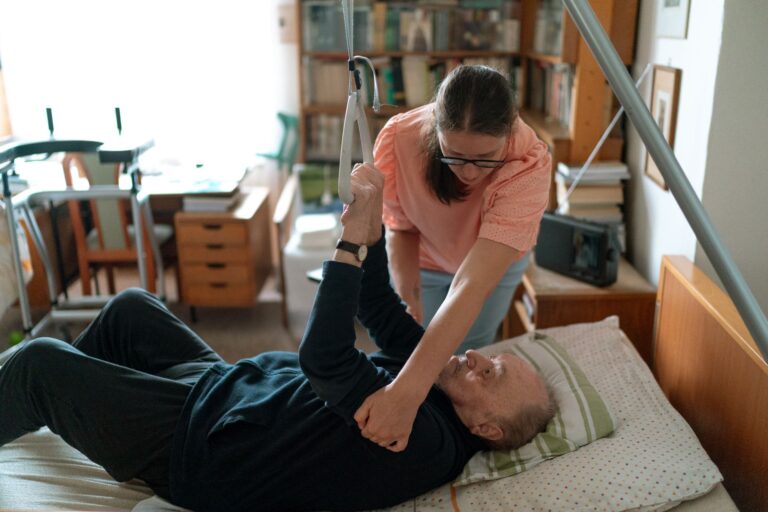
Know sits at the center of this dementia and brain health question.
Aging is a natural part of life, but sometimes it can be hard to tell when changes in your body or mind mean you should see a doctor. Knowing when to seek medical advice can help catch problems early and keep you healthier for longer.
**When to Watch Your Memory and Thinking**
As people get older, it’s normal to forget things occasionally—like where you put your keys or someone’s name. But if memory problems start interfering with daily life, it might be time to talk with a doctor. Signs that go beyond normal aging include frequently forgetting recent events, asking the same questions repeatedly, getting lost in familiar places, or having trouble completing everyday tasks like cooking or managing medications.
Other warning signs are difficulty finding the right words during conversations, sudden mood changes such as irritability or depression, poor judgment (like dressing inappropriately for the weather), and putting items in strange places. If these symptoms appear together and worsen over time, they could indicate dementia or another cognitive issue that needs medical attention.
**Physical Health Changes That Need Attention**
Besides mental changes, physical health also shifts as we age. Regular checkups become more important because many conditions develop slowly without obvious symptoms at first. Adults under 45 who are healthy might only need a checkup every few years; after 45, yearly visits are usually recommended.
If you have chronic illnesses like diabetes or lung disease—or if new symptoms arise such as unexplained weight loss, persistent pain, unusual fatigue, changes in appetite or sleep patterns—it’s wise to see your doctor sooner rather than later.
**Trust Your Instincts**
Sometimes subtle signs like withdrawing from social activities you once enjoyed or experiencing hallucinations (seeing things that aren’t there) can signal serious issues needing professional evaluation.
If something feels off—whether it’s memory lapses worsening quickly or new physical symptoms—it’s better not to wait. Early diagnosis often leads to better management options and improved quality of life.
Taking care of yourself means paying attention not just to what feels normal but also recognizing when those feelings change enough that expert help is needed. Doctors can guide tests and treatments tailored for aging adults so challenges don’t become overwhelming obstacles.
For more, see Alzheimer’s Association.