The key to keeping meals simple without taking away choice is to reduce the number of decisions without reducing the variety of options. When someone has dementia or mild cognitive impairment, decision fatigue sets in quickly—too many choices at once creates confusion and anxiety, but no choices at all feels infantilizing and removes a person’s sense of agency. The solution is to limit when choices happen, not whether they happen.
Instead of asking “What would you like for dinner?” (too open-ended), you offer two or three prepared options: “Would you like chicken or fish tonight?” or “We have pasta or soup ready—which sounds good?” The cognitive load drops dramatically, but the person still gets to decide. This approach respects both the practical reality of dementia—that processing multiple simultaneous options becomes harder—and the psychological reality of living with it: people with dementia still want autonomy, still want to feel heard, and still benefit from having a say in their own day. A 72-year-old woman with moderate memory loss described it perfectly after her daughter started using this method: “I still get to choose. I just don’t have to think so hard about it.” The meals stayed nutritious and varied, her stress vanished, and mealtimes became something to look forward to instead of a source of conflict.
Table of Contents
- Why Too Many Choices Backfire in Dementia Care
- The Problem With Pre-Deciding Everything
- The “Two or Three” Rule for Maximum Clarity
- Building a Repeating Menu That Still Feels Varied
- Watch Out for “Choice Theater”
- When Appetite or Ability Changes Throughout the Day
- Using Familiar Foods as the Foundation
- Frequently Asked Questions
Why Too Many Choices Backfire in Dementia Care
When you open the refrigerator and ask someone with dementia to choose what they want, you’re asking their brain to do several things at once: remember what foods they like, visualize dishes they could eat, weigh options against effort and appetite, and commit to a decision. For a brain managing cognitive decline, that’s not a simple request—it’s a cascade of small failures. Each unanswered question adds frustration. Studies on decision-making in older adults with cognitive impairment show that more than three simultaneous choices often leads to choice avoidance: the person either says “I don’t know” repeatedly or withdraws from the decision entirely.
Then the caregiver ends up choosing anyway, which defeats the purpose. The second problem is that open-ended choices often lead to requests for foods that aren’t available or aren’t realistic to prepare. A person might say “I want spaghetti carbonara,” but if you don’t have eggs or guanciale on hand, you’re now managing disappointment or negotiating a substitute, which the person may forget the reason for. Narrowing the field beforehand prevents that loop. If you’ve already decided “We’re having pasta tonight, and the two sauces I’ve made are marinara or alfredo,” the person chooses between real, available options, gets a real outcome, and stays satisfied.
The Problem With Pre-Deciding Everything
The opposite mistake is deciding everything for the person and offering no choice at all. This happens most often when caregivers are overwhelmed or when dementia has progressed to a stage where choices seem impossible to manage. The caregiver makes the menu, sets the plate, and serves it without asking. Meals get faster, but something important is lost: the sense of participation. People with dementia often report feeling “managed” rather than cared for when all autonomy is removed. Over time, they may eat less—not because the food is bad, but because eating something chosen for you, without your input, feels impersonal.
Some people become withdrawn or resistant at mealtimes, which caregivers then interpret as loss of appetite or refusal to eat, when it’s actually a response to powerlessness. There’s also a practical limitation: pre-decided meals don’t adapt to how the person actually feels that day. Maybe they’re not hungry for heavy food, or their throat is sore and soft foods are better, or they’re in a mood for something specific. Without any input, you miss these cues and may prepare something the person can’t comfortably eat. A caregiver who prepared her father’s lunch every day without asking finally asked one day what he wanted, and he said his gums hurt. She’d been giving him nuts and raw vegetables for weeks without realizing he couldn’t chew them.
The “Two or Three” Rule for Maximum Clarity
Research on decision-making suggests that two to three options is the sweet spot for people with moderate cognitive decline. Two options feels binary and safe—”A or B?” is easy to process. Three options gives a bit more autonomy without overwhelming. More than three and cognitive load climbs sharply; the person starts forgetting the first option by the time they hear the third. In practical meal terms, this means: pick your main dish first, prepare two or three sides or variations, and present them clearly.
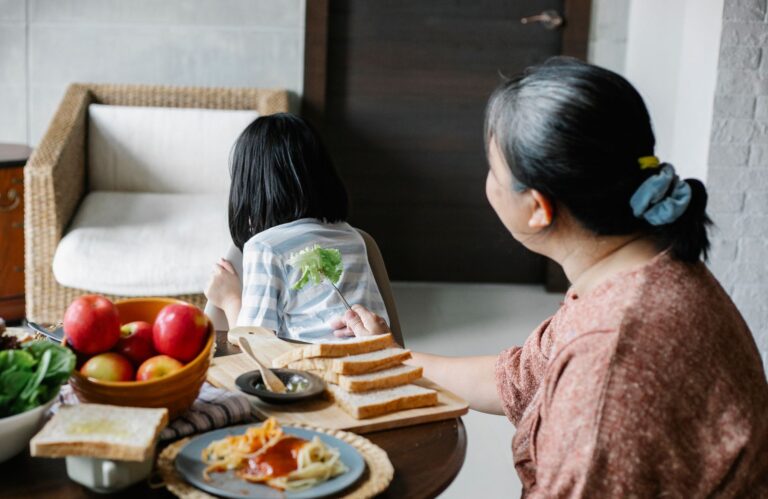
An example: Instead of “What do you want for dinner?” you might say, “I’m making chicken tonight. Do you want it with rice or with potatoes?” The protein is decided, the cooking time is realistic, but the person chooses the starch. Or: “I’ve made soup and sandwiches. Which sounds better to you—the tomato soup or the chicken salad?” The person hears two complete, concrete options, not abstract possibilities. They can see or smell the food in many cases, which makes the choice tangible instead of theoretical. This reduces the cognitive effort of imagining food and just asks them to indicate preference.
Building a Repeating Menu That Still Feels Varied
A practical way to keep meals simple while maintaining choice is to build a rotating menu—not a rigid one, but a structure. Many dementia care facilities use a two-week cycle: the same basic meals rotate through, but sides and preparations vary. Monday might always be some form of chicken, Wednesday might always be pasta, but the specific dish changes. This reduces the caregiver’s planning burden and makes shopping predictable, while still feeling different to the person eating.
At home, you might create a simpler version: decide on five to seven main proteins you feel confident cooking (chicken, ground beef, fish, pork, eggs, beans, turkey). Then rotate them across the week. Monday chicken one week might be baked with lemon; next week it’s in a mild curry; the week after, it’s shredded for tacos. The person recognizes “chicken again,” which is comforting and familiar, but the preparation is different, so it doesn’t feel stale. The tradeoff is that this requires a bit of advance planning—you need to shop for a protein and then decide on two to three ways to prepare it during the week—but it saves time overall because you’re not deciding from scratch every day.
Watch Out for “Choice Theater”
One common mistake is what might be called “choice theater”—offering a choice, but the outcome is the same regardless. This usually happens accidentally. A caregiver asks, “Would you like broccoli or carrots?” but both are getting served either way, just in different portions, or the person doesn’t actually get to decide (the caregiver serves broccoli because it’s healthier, regardless of the answer). A person with dementia will notice this inconsistency, even if they can’t articulate it. They sense that their choice didn’t matter.
Over time, they stop engaging with choices because they correctly perceive that choosing is theater. Actual choice means the outcome changes based on the answer. If you ask “Broccoli or carrots?” and the person says broccoli, they get broccoli. If they say carrots, they get carrots. If you’re going to serve both no matter what, don’t frame it as a choice—say, “I’m making broccoli and carrots tonight” and describe them appetizingly. The person still participates in the meal experience, but you’re not making a false promise of autonomy.
When Appetite or Ability Changes Throughout the Day
Dementia doesn’t always present the same way every day, and neither does appetite or ability to chew, swallow, or make decisions. Someone might be sharp at breakfast and foggy at dinner, or vice versa. Some days the person can handle a multi-step meal; other days soft foods are necessary. The simplest approach is to let these variations happen without announcing them or making the person feel like the rules changed unfairly. Offer choices appropriate to that day’s capacity.
If the person seems confused at dinner, go with a binary choice instead of three options. If their appetite is small, offer a light snack rather than a full plate. If they’re struggling to chew, have a softer alternative on hand. A daughter whose mother has advancing dementia keeps three or four quick-preparation options on hand for days when her mother can’t manage much: yogurt parfaits, smoothies, soft scrambled eggs, or soup. When the appetite is there but the energy for chewing isn’t, she offers these without a big preamble. The person gets fed, gets some choice in the form of “Would you like the yogurt or the eggs?” and no one spends energy negotiating why the meal looks different today.
Using Familiar Foods as the Foundation
One of the most underused tools in keeping meals simple while preserving choice is familiarity. Dishes and ingredients the person has eaten and enjoyed for decades require less cognitive processing to recognize and less explanation to enjoy. They also tend to trigger positive associations—eating a food someone loved for forty years is a form of connection, not just nutrition. Build your simple meals around these familiar foundations. If someone always loved pasta, start there and rotate sauces.
If they grew up on roasted chicken and root vegetables, that’s a template you can return to often. Familiar foods also make choices easier: a person who has eaten pot roast every Sunday for thirty years immediately understands “pot roast or ham?” without needing the full explanation. They’re not starting from zero cognitively. The food itself carries memory and preference, which reduces the decision load and increases satisfaction. A man whose wife prepared his favorite baked cod every Friday for fifty years still lights up when she mentions it, even in advanced dementia, and he always chooses it when it’s offered.
- —
Frequently Asked Questions
My mother says “I don’t know” to every choice. Does that mean she doesn’t want to choose anymore?
Not necessarily. “I don’t know” often means the choice is too abstract, too many options, or she’s unsure whether her preference will actually be served. Try narrowing to two very concrete options she can see or smell, and make sure you follow through on her answer. She may start engaging again once she trusts that her choice matters.
What if my father chooses something I know he can’t actually eat—like crunchy foods when he has trouble swallowing?
You’ve spotted a mismatch between his preference and his current ability. The solution isn’t to remove his choice but to choose what to offer beforehand. If he can’t chew crunchy foods safely, don’t offer them as an option. Instead, offer two soft-textured foods he actually enjoys, so he still chooses but within safe parameters.
Doesn’t limiting choices feel like I’m being dishonest or controlling?
It can feel that way, but framing matters. Offering two prepared options isn’t lying about what’s available—it’s being honest about what’s realistic to make. Most families with no dementia do this routinely (“We’re having pasta or tacos—which do you want?”). It’s a normal way to plan meals, not manipulation. The choice is real; the options are just pre-filtered for feasibility.
How do I know if my loved one is choosing because they want to, or just to please me?
Watch for consistency. If they consistently choose one option over another across days and weeks, that’s genuine preference. If they choose randomly or defer to you (“Whatever you think”), they may be experiencing decision fatigue or have stopped trusting that their choice will be honored. Scale back to simpler choices, make sure you follow through on their answers, and the pattern should clarify.
Can I still involve my loved one in cooking if I’m using a simplified menu?
Absolutely. Cooking together is different from deciding what to cook. Once you’ve chosen the meal, many people with dementia enjoy helping with steps they can manage: stirring, tearing lettuce, setting the table, or just being in the kitchen. This gives them participation and connection without the cognitive demand of planning. —