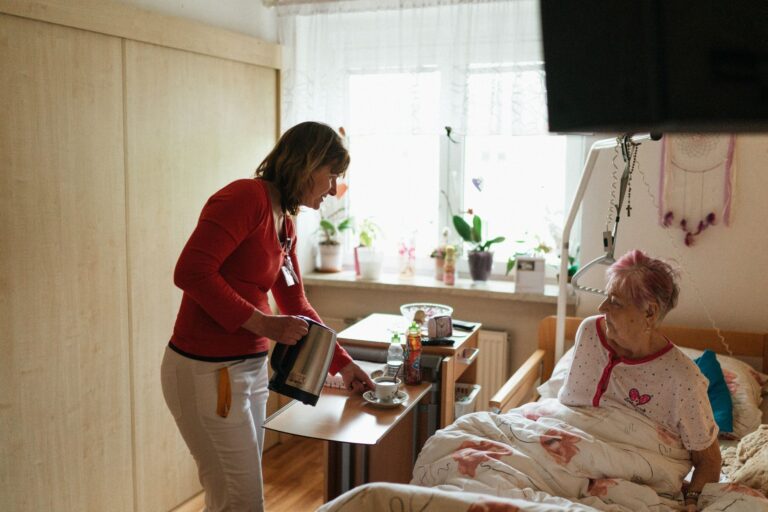
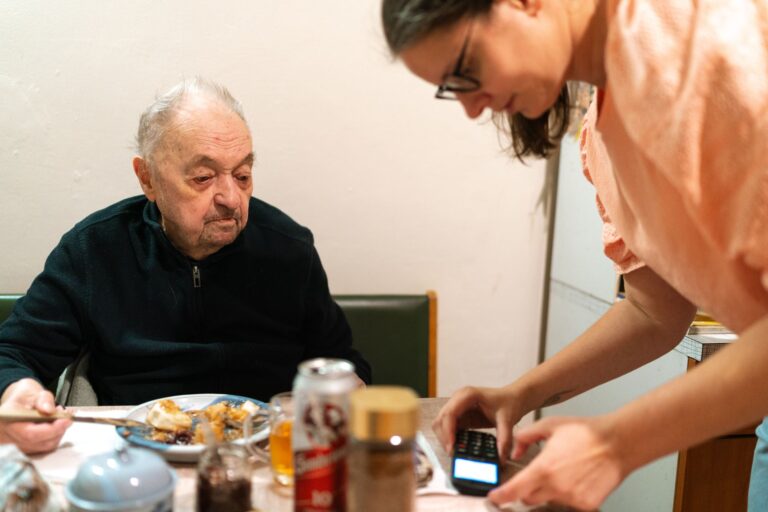
Dementia refusal—when a person with dementia says no to bathing, medication, meals, or activities—is not stubbornness or manipulation. It’s almost always a response to something specific: a trigger. Identifying what causes the refusal is essential because it allows caregivers to problem-solve rather than simply escalate demands, which typically deepens resistance. When an individual with dementia refuses their shower, it might be because the bathroom is too cold, the caregiver’s hurried tone triggers anxiety, or past negative experiences with water have created fear.
Without understanding the trigger, caregivers often interpret refusal as behavioral decline and respond with frustration, which only reinforces the refusal cycle. Triggers for dementia refusal fall into distinct categories: environmental (temperature, lighting, noise), emotional (fear, anxiety, feeling rushed), physical (pain, discomfort, medication side effects), and relational (caregiver tone, being approached too quickly, feeling disrespected). The same activity—like getting dressed—might be refused because the person feels cold, because they don’t understand what’s being asked due to language changes, because tight clothing causes sensory distress, or because they feel pressured. Learning to observe what precedes the refusal, rather than just reacting to the refusal itself, transforms caregiving from a battle into detective work.
Table of Contents
- What Environmental and Sensory Factors Trigger Refusal?
- How Communication Changes and Misunderstanding Lead to Refusal
- Physical Discomfort, Pain, and Medical Causes of Refusal
- Documentation and Pattern Recognition in Tracking Triggers
- When Refusal Signals Distress, Fear, or Unmet Needs
- How Daily Routine Changes Impact Refusal Behavior
- Control, Autonomy, and How Choice Reduces Refusal
- Frequently Asked Questions
What Environmental and Sensory Factors Trigger Refusal?
The environment around a person with dementia can shift their willingness to participate in daily tasks. A bathroom that’s too cold, too brightly lit, or unfamiliar in layout might trigger resistance to bathing. A noisy living room full of multiple conversations or background television can overwhelm someone whose brain is struggling to process information, causing them to refuse social activities. A bedroom that’s cluttered or dimly lit can make dressing more confusing and stressful.
Sensory sensitivities often increase with dementia—textures that were once comfortable might feel itchy or painful; smells that were neutral might become agitating; tastes can shift unexpectedly. For example, a person who has always enjoyed breakfast might refuse their morning oatmeal if the temperature has changed or if the bowl is now a different color from their previous routine. Another might refuse to leave their room if the hallway lights have been changed to brighter bulbs, which can cause visual distress or migraines. Some individuals with dementia become hypersensitive to clothing tags, seams, or fabrics they previously wore without issue. A caregiver noticing these patterns can adjust the environment—lowering the temperature, dimming lights, changing the bowl color back, removing tags from clothing—and watch the refusal decrease dramatically.
How Communication Changes and Misunderstanding Lead to Refusal
As dementia progresses, the way instructions and requests are received changes. A person might refuse getting dressed not because they oppose dressing, but because they don’t understand what’s being asked due to language processing difficulties. If a caregiver says, “It’s time to get ready for the day, and we need to put on your clothes,” the individual might only catch one word—”clothes”—and feel confused or defensive about it. Complex multi-step instructions become overwhelming. Additionally, the person’s ability to express what they actually need or prefer becomes impaired, so what looks like refusal might actually be a failed attempt to communicate discomfort or disagreement about something else.
The way something is said—tone, pace, volume—matters far more than the content of the words. A caregiver speaking quickly in an anxious or impatient voice can trigger an automatic refusal response, even if the activity itself is something the person normally accepts. If a caregiver approaches someone with dementia abruptly or positions themselves directly in front of the person (which can feel confrontational), refusal often follows. Conversely, speaking slowly, using simple single-step instructions, and approaching from the side rather than head-on can dramatically reduce refusal behaviors. However, this communication adjustment requires constant intentional effort from caregivers, and caregivers under stress often revert to old patterns—speaking quickly, giving complex instructions, becoming impatient—which then triggers the very refusal they’re trying to prevent.
Physical Discomfort, Pain, and Medical Causes of Refusal
One of the most overlooked triggers for refusal is physical pain or medical discomfort. A person refusing to shower might actually be experiencing joint pain when cold water touches their skin, or they might have a urinary tract infection causing generalized discomfort. Someone refusing meals might be experiencing dental pain, difficulty swallowing, or side effects from medications that cause nausea. Refusal to move or participate in activities often signals pain in the limbs, back, or other areas that the person can no longer clearly articulate. Because pain expression changes in dementia—some people become less able to complain, while others complain about everything—refusal becomes one of the primary signals that something physical is wrong.
Medication side effects are a particularly important but frequently missed trigger. A sedating medication might make morning activities feel exhausting, causing refusal. A medication taken on an empty stomach might cause nausea, leading to food refusal at the next meal. Cognitive medications can sometimes cause dizziness or disorientation, which then makes a person refuse to walk or participate in activities. Blood sugar fluctuations can create irritability and sudden refusal behaviors. A medical evaluation—checking for infections, reviewing all medications for side effects, assessing pain—is essential before labeling a refusal as “behavioral.” Without this medical baseline, caregivers can spend weeks trying to motivate someone to shower when actually the person is experiencing pain that makes bathing unbearable.
Documentation and Pattern Recognition in Tracking Triggers
To identify triggers, caregivers need to track refusals systematically rather than relying on memory or impression. A simple log—what activity was refused, what time it occurred, what happened just before, and what eventually worked—reveals patterns invisible to the casual observer. One caregiver might notice that refusals always happen in the late afternoon (suggesting fatigue or sundowning). Another might discover that refusals to eat correlate with specific mealtimes or specific foods, pointing to sensory or medication-related causes.
A third might find that refusals spike on days when a particular caregiver is present, indicating a relational trigger rather than an environmental one. Effective documentation requires noting not just the refusal but the context: Who was present? What was the person’s mood before the request? Had they slept well? Were they hungry or thirsty? Had they taken their medications? What specific words or approach did the caregiver use? What finally worked—or didn’t? This detailed observation is more useful than any general advice, because every person with dementia has unique triggers. However, documentation can also become burdensome, especially in understaffed caregiving situations. A realistic approach is to pick one problematic refusal pattern to track for one week, discover the trigger, implement a fix, then move to the next pattern. This targeted approach prevents caregiver burnout while still yielding practical results.
When Refusal Signals Distress, Fear, or Unmet Needs
Some refusals indicate that a person is experiencing fear or anxiety rather than simple opposition to the activity. Someone might refuse to shower because they fear falling on a wet floor, or because past experiences with water (like near-drowning) have created a traumatic association. Someone might refuse to take medications because they’re afraid of choking, or because they’ve developed a fear that pills are poison. Someone might refuse to leave home because the outside world feels chaotic and threatening.
These fears are real to the person experiencing them, and dismissing them as “just dementia confusion” ignores the actual emotional reality. A critical warning: refusal can also signal that an individual is experiencing abuse, neglect, or mistreatment. If a person consistently refuses care from one specific caregiver, or if refusal is accompanied by signs of fear, flinching, or withdrawal, this is a serious flag. Similarly, if refusals are met with verbal anger, physical restraint, or medication sedation as punishment, the cycle deepens and the person’s trust deteriorates further. Addressing the underlying distress—whether it’s fear of the activity, fear of the environment, fear of the caregiver, or fear of losing control—requires patience and often professional support from a geriatric counselor or dementia care specialist.
How Daily Routine Changes Impact Refusal Behavior
People with dementia often rely on routine to create a sense of predictability and safety. A shower that happened every Tuesday morning for thirty years becomes an expected part of that morning. When routines shift—whether due to caregiver schedule changes, moving to a different location, or seasonal changes—refusal often spikes. A person might refuse their normal meals if meal times have been shifted, or refuse their nighttime routine if it’s now happening at a different hour. Even small changes like a different brand of soap or a new bathroom layout can trigger resistance in someone whose memory and adaptability are compromised.
One example: a person with moderate dementia who had always bathed in the evening suddenly refuses when their adult child (the evening caregiver) moves away and morning care replaces evening care. The refusal appears to be about the activity itself, but it’s actually about the violation of a three-decade routine. Reinstating evening bathing—even if it’s less convenient for family schedules—often resolves the refusal entirely. Conversely, when changes to routine are necessary, introducing them gradually, explaining them repeatedly, and providing extra reassurance can minimize refusal. A limitation here is that this gradual approach requires time and consistency, which can be difficult in situations where staffing changes frequently or family caregivers are already stretched thin.
Control, Autonomy, and How Choice Reduces Refusal
A significant trigger for refusal is the loss of control and autonomy that dementia causes. When someone who spent their whole life making decisions suddenly finds themselves told what to do, when to do it, and how to do it, resistance is often a form of asserting remaining agency. A person might refuse to wear the outfit a caregiver selected, not because the outfit is wrong, but because no one asked them which they preferred. Someone might refuse their morning routine simply because it’s being imposed rather than chosen. Offering choices—even limited ones—can dramatically reduce refusal behaviors.
Practical application: instead of “It’s time to bathe,” a caregiver might ask, “Would you like to bathe before breakfast or after?” Instead of selecting a shirt, the caregiver might hold up two options and ask which one the person prefers. Instead of announcing an activity, the caregiver might ask permission: “May I help you get ready?” These small shifts in language and approach honor the person’s remaining autonomy. The choices need to be genuine (not a false choice like “Do you want to shower? We’re showering”), limited to prevent overwhelm, and actually respected. If a person chooses the blue shirt and the caregiver insists on the green one, the trust that makes choice-based refusal reduction possible is destroyed. The tradeoff is that this approach requires caregivers to relinquish control over efficiency and speed; it takes longer to offer choices and respect preferences than to simply direct. But in terms of reducing refusal and maintaining dignity, this investment of time pays consistent dividends.
Frequently Asked Questions
Is dementia refusal always intentional?
No. Refusal is often involuntary or unconscious—a reaction to pain, fear, confusion, or environmental distress that the person cannot articulate. What appears as stubborn resistance is frequently a symptom of the person’s distress.
What should I do if my loved one refuses medication?
First, consult their doctor to rule out pain, infection, or medication side effects. Then assess the context: Are they refusing the medication itself or refusing the act of taking it? Are they confused about what it is? Do they fear choking? Once you identify the specific trigger, you can problem-solve—crushing pills into applesauce, changing the time of day, or addressing underlying fear.
Can refusal get better, or does it always worsen with dementia?
Refusal can improve significantly once triggers are identified and addressed. A person refusing baths due to cold can bathe happily in a warm room. Someone refusing to get dressed due to pain might cooperate once pain is treated. However, as dementia progresses, new triggers often emerge and communication becomes harder, so consistent reassessment is necessary.
How do I know if refusal is behavioral or medical?
A medical cause is likely if refusal is new (not long-standing), sudden, or accompanied by other changes like fever, decreased appetite, sleep disruption, or pain signs. Always start with a medical evaluation—behavioral triggers can wait, but infections and pain cannot.
What if nothing I try reduces the refusal?
Some refusals persist despite problem-solving. In these cases, prioritize what’s medically essential (medication, nutrition, hygiene for health) and be flexible about methods and timing. Sometimes accepting “I can’t make this happen today” and trying again tomorrow is more humane and ultimately more effective than escalating the conflict.
Can I prevent refusal from starting in the first place?
You can reduce the likelihood by maintaining consistent routines, using gentle communication, respecting choices, ensuring the environment is comfortable, monitoring for pain and medical issues, and maintaining trust through patient, dignified interactions. However, you cannot eliminate refusal entirely—it’s part of the disease process.