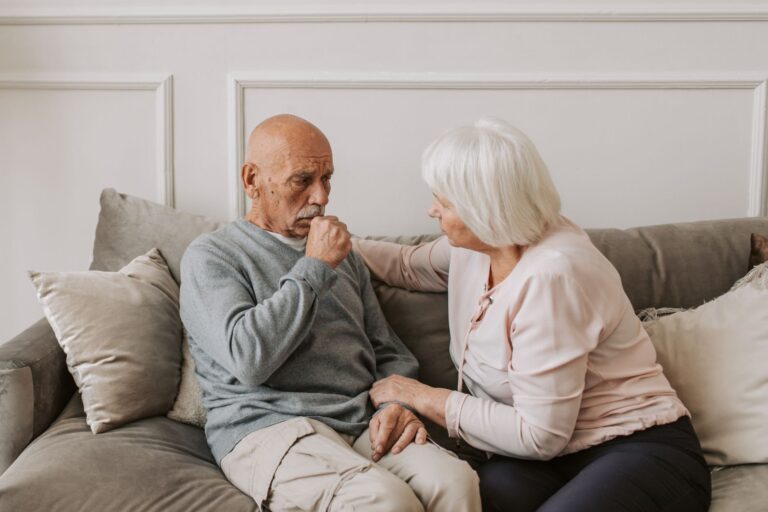
When calling 911 for someone with dementia, tell the dispatcher three essential things immediately: confirm that the person has dementia and explain your relationship to them, describe what is happening right now and how it differs from their usual behavior, and provide any specific safety risks or medical details. The dispatcher needs to know this is a medical situation complicated by cognitive decline, not a criminal matter or typical crisis. A real example: an adult child calls 911 because their parent has wandered out of the house at 2 a.m.
in winter—panicked, but the critical first words are “My father has Alzheimer’s disease and has been missing for 20 minutes. He doesn’t recognize where he lives anymore, won’t respond to his name, and I’m worried he’ll get hit by a car.” The dispatcher can then flag the responding officers as dementia-trained (if your area has such protocols) and provide the caller with better guidance on what responders need when they arrive. This advance notice shapes how firefighters, paramedics, and police officers approach a person who may seem uncooperative, agitated, or confused—and can be the difference between a safe resolution and an escalated situation.
Table of Contents
- What Information Do 911 Dispatchers Need to Know About Dementia?
- How to Prepare Documentation Before a Crisis Happens
- When Exactly Should You Call 911 for a Dementia Situation?
- How to Stay Calm and Communicate During the 911 Call
- First Responder Training: What Has Changed and What to Expect
- Special Needs Registries and How to Register
- Serious Illness Conversations and Crisis Planning
What Information Do 911 Dispatchers Need to Know About Dementia?
Dispatchers are trained to extract information quickly, but dementia creates communication gaps they may not automatically understand. Beyond confirming the diagnosis, provide the dispatcher with behavioral context: “He’s usually calm but is screaming right now and doesn’t recognize me,” or “She’s normally verbal and can follow simple commands, but she hasn’t spoken in two hours and won’t wake up.” Describe what triggered the crisis if you know it—a change in routine, a new caregiver, a medication mistake, or an unfamiliar environment can all provoke behavioral crises in people with dementia. One crucial warning: if you say “my parent is confused,” a dispatcher might not prioritize the call the same way they would if you said “my parent has advanced Alzheimer’s and is having a medical emergency.” Use the word “dementia” or the specific diagnosis name; it signals a medical condition requiring specialized response, not just mental confusion.
Also share any immediate safety concerns: “He has a history of wandering and it’s freezing outside,” or “She has a severe reaction to loud noises and the sirens may cause a panic response.” If the person takes medications, mention whether they’ve had their medications today or if you suspect a drug interaction. If there are behavioral triggers the responders should avoid—certain words, sudden movements, loud voices—the dispatcher can relay that to the ambulance crew or fire department. This doesn’t slow down the call; it provides responders with a behavioral roadmap so they can help rather than accidentally worsen the situation.
How to Prepare Documentation Before a Crisis Happens
The most effective 911 calls come from people who have already done the preparation work—before an emergency strikes. Contact your local 911 dispatch center and ask whether they operate a special needs registry or medical alert database; many jurisdictions do, and registration is usually free. A registry entry flags the address, tells responders to expect a person with dementia, and can include notes on communication preferences, behavioral triggers, and photo identification. Virginia’s new first responder training mandate (effective July 2024) increases the likelihood that registered individuals will receive dementia-aware care, but even areas without state mandates often maintain these systems.
The limitation here is that registries only work if the person stays at that address. If your family member moves, is hospitalized, or travels, the registry information won’t travel with them. Create a physical wallet card or printed document with: full legal name, date of birth, medical conditions (dementia diagnosis and stage), current medications and allergies, emergency contact names and phone numbers, and calming strategies specific to that person (“He responds to soft voices but not to commands,” or “She becomes less agitated if we play her favorite music”). Keep a recent photo readily available and share copies with neighbors, local police non-emergency lines, and the person’s healthcare provider. Pennsylvania is currently developing legislation (as of November 2024) to require fire departments and EMS to train staff in dementia identification and communication, which may expand the value of having these documents on file.
When Exactly Should You Call 911 for a Dementia Situation?
Not every behavioral crisis or confusion episode requires emergency responders—but several situations do warrant a 911 call. Call if the person wanders outdoors and is not located within 15 minutes; dementia wandering carries real danger of injury, exposure, or traffic accidents, and first responders can initiate searches and alert other agencies faster than you can searching alone. Call if the person becomes violent, aggressive, or poses an immediate risk to themselves (e.g., trying to harm themselves or ingest something toxic) or to others. Call if the person is injured or showing signs of a medical emergency like difficulty breathing, chest pain, severe confusion that’s new, or unresponsiveness.
Also call if the person is experiencing extreme emotional distress—severe agitation, panic, or behavioral crisis that cannot be calmed using familiar de-escalation methods. This is important because first responders are trained to manage acute psychiatric and behavioral emergencies in people with dementia, and waiting too long can escalate risk. A person with advanced dementia who suddenly becomes combative or inconsolable may have an underlying urinary tract infection, medication side effect, or pain issue that a paramedic can help identify. Do not call 911 for mild confusion, forgetfulness, or ordinary agitation that responds to redirection and familiar faces—that overloads emergency systems and delays response for true emergencies.
How to Stay Calm and Communicate During the 911 Call
Dispatchers handle hundreds of calls and need you to be as clear as possible, which means managing your own panic first. Speak in complete sentences rather than fragments: instead of “Mom is confused, she’s acting weird, call now,” say “My mother has mid-stage Alzheimer’s disease. She woke up two hours ago and is extremely agitated. She’s trying to leave the house and I can’t redirect her. I need an ambulance.” This tells the dispatcher it’s a medical emergency with behavioral components, not a police matter. Comparison: a 911 call for a dementia-related incident differs fundamentally from a call about a younger person having a mental health crisis.
Dementia is progressive neurological disease; mental health crises are often situational and may respond to talk-down techniques. But first responders who haven’t received dementia training may default to the same playbook they use for all behavioral emergencies, which can include commands, raised voices, or physical restraint that worsen outcomes for people with dementia. By clarifying “dementia, not a psychiatric condition” early, you set responder expectations. Answer the dispatcher’s questions directly even if you’re emotional. If you don’t know something—”I don’t know what medication she takes”—say so rather than guessing. Have the person’s medication list, doctor’s number, or medical alert information in front of you if possible.
First Responder Training: What Has Changed and What to Expect
In July 2024, Virginia became the first state to mandate dementia training for all first responders—dispatchers, firefighters, and emergency medical services personnel. The training covers recognition of dementia symptoms, respectful communication techniques, behavioral management, and alternatives to physical restraint. This is significant: responders trained in dementia-aware care produce better outcomes, partly because they recognize that agitation and non-compliance stem from brain disease, not willfulness or criminal intent.
Research from trained responder programs shows measurable improvements: a 37 percentage point increase in responder confidence when interacting with people with dementia, and a 34 percentage point increase in their ability to respond with understanding and patience. In programs studied—including San Diego County (249 responders trained) and Virginia (275 EMS providers across 7 regions)—88% of trainees rated the training as “very good” or “excellent.” The Alzheimer’s Association offers free “Approaching Alzheimer’s: First Responder Training” programs in many areas. However, this training is not yet mandatory nationally, so your area may or may not have trained responders. When you call 911, you cannot assume the responders will have dementia training, which is why your own communication during the call is critical—you are essentially coaching the response in real-time.
Special Needs Registries and How to Register
After calling 911, one of your first follow-up actions should be to contact your local dispatch center’s non-emergency line and ask about registering your family member in a special needs or medical alert registry. This is a free service in most jurisdictions and takes 10-15 minutes. You’ll provide the person’s full name, address, date of birth, dementia diagnosis, photo, emergency contacts, medications, and behavioral notes. The registry flags the address in the 911 computer system so that when any call comes from that location, the dispatcher and responders will see the alert before they arrive.
The practical advantage: if your parent has another crisis in two weeks, the responders will already know they have dementia. The limitation is coverage—if your parent is visiting a friend’s house and has a crisis there, the registry won’t help because it’s tied to an address. This is why carrying physical documentation and a wallet card remain important backups. Some registries also accept photos and behavioral management notes, which responders can review before entering the home, reducing their surprise and the person’s fear.
Serious Illness Conversations and Crisis Planning
Before a crisis happens, have a “serious illness conversation” with your family member (if they have capacity to participate) and with their healthcare provider. This conversation should cover: What does the person understand about their diagnosis? What are their fears or priorities? What medical interventions do they want or not want if they become very ill? Would they want to be transported to a hospital or treated at home? Are there specific people or environments that calm them? Document these preferences and share them with the provider, any home care staff, and family members. A written crisis management plan created with the healthcare provider can guide decisions when someone is agitated and you’re deciding whether 911 is necessary.
The plan might include: approved medications for acute agitation, non-medication strategies (music, familiar objects, a particular caregiver’s presence), and clear thresholds for when emergency response is warranted. Use simple, clear language during any crisis—avoid complex sentences, open-ended questions, or reasoning (“I know you’re scared, but we need to go to the hospital because your vital signs are unstable”). Instead: “We’re going to the doctor now. I’m here with you.” The goal is calm, reassuring presence and minimal stimulation, not persuasion or logical explanation, which often fails in dementia.