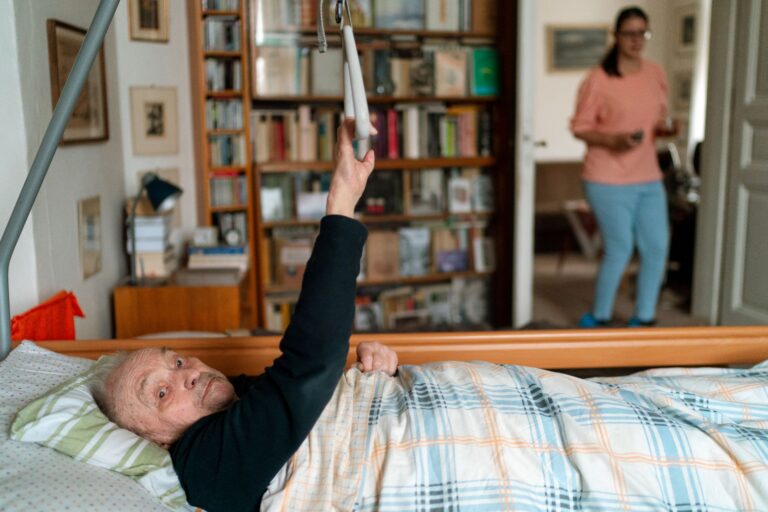
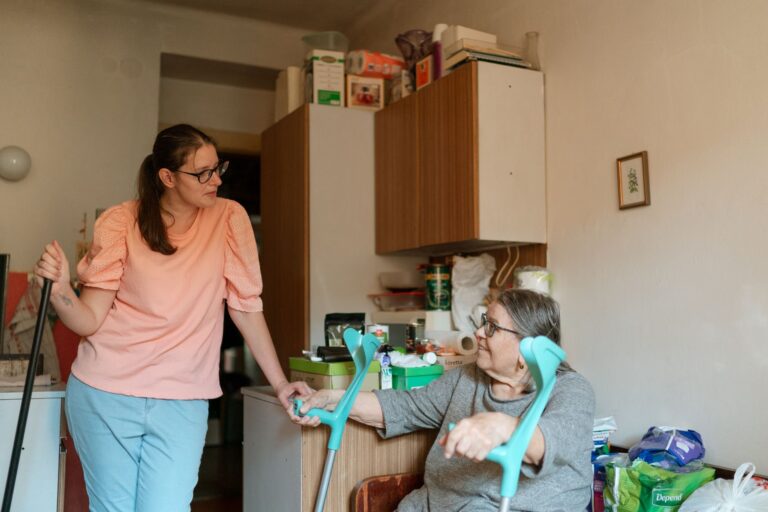
Coping with embarrassing public behavior in dementia requires a combination of practical strategies, emotional resilience, and a fundamental shift in how you view the behavior itself. The first step is recognizing that the person with dementia is not intentionally trying to embarrass themselves or you—their brain is damaged in ways that affect impulse control, judgment, and sometimes awareness of social norms. A person in mid-stage dementia might undress in a restaurant, yell at a family member in a grocery store, or make inappropriate comments to strangers, not because they want to cause a scene, but because the part of their brain that filters behavior and recognizes context has been compromised.
Your response to these moments—staying calm, maintaining the person’s dignity, and getting them to a quieter space—can mean the difference between a passing incident and an escalating crisis. The second reality is that you cannot prevent every embarrassing moment, and attempting to do so will exhaust you. What you can do is manage your own anxiety about what others think, prepare for high-risk situations, develop a rapid de-escalation toolkit, and build a support system that understands dementia. Many families report that after the first few public incidents, their anxiety decreases because they realize that most strangers are sympathetic, not judgmental, and that their focus on the person’s dignity rather than the audience’s opinion actually reduces the person’s agitation.
Table of Contents
- Why Does Dementia Cause Embarrassing Behavior in Public?
- The Caregiver’s Emotional Response and Managing Your Own Shame
- Preparing for High-Risk Situations Before They Happen
- In-the-Moment Strategies When Embarrassing Behavior Erupts
- Boundary-Setting and Protecting the Person’s Remaining Dignity
- Building a Support System That Understands Dementia
- Adjusting Expectations and Finding Pockets of Normalcy
- Frequently Asked Questions
Why Does Dementia Cause Embarrassing Behavior in Public?
Embarrassing behavior in dementia stems from specific damage to the brain regions responsible for executive function, impulse control, and social awareness. The prefrontal cortex, which acts as the brain’s governor, deteriorates in most types of dementia, including Alzheimer’s disease and frontotemporal dementia. This is not the same as the person being rude or attention-seeking; it is a neurological deficit. A person who was always socially reserved might suddenly speak loudly about bodily functions, or someone who was modest might undress without awareness of their surroundings. The person’s personality hasn’t changed into a rude version; their ability to regulate behavior has diminished.
Environmental factors also trigger these behaviors in public settings specifically. A grocery store is loud, crowded, and filled with sensory chaos—fluorescent lights, announcements, strangers in close proximity. A person in moderate dementia can become overstimulated, and their response might look like aggression, wandering toward the exit, or making loud comments. A family member describes taking their father to a busy farmer’s market where he began grabbing produce from other shoppers’ baskets because his brain could not distinguish between what belonged in his cart and what didn’t. The same father was calm and compliant at home the same morning. This gap between behavior at home and in public is universal in dementia care.
The Caregiver’s Emotional Response and Managing Your Own Shame
Your emotional reaction to embarrassing behavior is separate from the behavior itself, and this distinction matters because your stress directly affects the person with dementia. When your parent yells at a store clerk or makes a crude remark, your instinct might be to feel shame, anger, or the urge to apologize profusely and correct them. Many caregivers report that they dread outings because they fear judgment from strangers. This fear is human but can become a trap—the more you anticipate embarrassment, the more tense your body becomes, and the person with dementia picks up on that tension and becomes more agitated. A caregiver who has internalized the message that dementia behavior is shameful might try to suppress or punish the person, which only increases confusion and distress. One powerful reframing is recognizing that the embarrassment belongs to you, not to the person with dementia.
They are not aware they are being embarrassing in most cases. They cannot learn from the experience or feel social shame about it the way you do. Your job is not to prevent them from being embarrassed—it’s to prevent them from being harmed, to protect their dignity, and to manage your own stress. This is a fundamental shift from parenting a child, where shame can be a teaching tool. In dementia, shame is useless and harmful. Caregivers who work through their own embarrassment (often with a therapist or support group) report that public outings become less fraught because they stop performing for an invisible audience and start focusing entirely on the person’s needs and safety.
Preparing for High-Risk Situations Before They Happen
Certain environments are predictably triggering for dementia-related behavioral episodes. Busy retail stores, public restrooms, restaurants during peak hours, medical offices with long waits, and family events with multiple visitors are common flashpoints. The preparation strategy is to know your person’s specific triggers and plan around them. Some people with dementia become agitated by crowds; others are triggered by hunger, fatigue, or the need to use the bathroom. A person who is thirsty will become confused and difficult long before they can communicate their thirst. Before taking your person to a high-risk environment, establish a concrete plan: go at off-peak times (a movie theater at 10 a.m.
on a Tuesday instead of 7 p.m. on Saturday), bring comfort items (a familiar blanket, a snack, a drink in a spill-proof cup), identify a quiet space where you can retreat if behavior escalates, and use a shorter duration (30 minutes instead of 2 hours). Medication timing also matters—if your person is prescribed anxiolytics or anti-dementia medications, schedule outings around when those are most effective. Know where the bathrooms are in advance, and consider whether your person can safely use a public bathroom or whether they need a family member accompanying them. This might sound like overplanning, but families who do this report significantly fewer public incidents. The difference between a catastrophic outing and a successful one is often just having a bathroom located and knowing it’s available.
In-the-Moment Strategies When Embarrassing Behavior Erupts
When embarrassing behavior happens in public, your immediate goal is to de-escalate the person with dementia, protect their safety, and remove them from the public audience as quickly as possible. Do not argue, correct, or shame the person in the moment. A 78-year-old woman in a pharmacy began undressing, insisting her clothes were on fire. The pharmacist, understanding dementia, quietly asked a staff member to retrieve a blanket. The caregiver (her daughter) did not argue or tell her mother she was wrong; instead, she gently wrapped the blanket around her and told her they were going to sit in the car for a moment. The behavior subsided within five minutes because no power struggle occurred.
The practical steps are: stay physically calm (your posture and tone communicate safety or danger to the person), acknowledge their emotion without confirming their false belief (“I see you’re upset”), remove them to a quieter space, and provide comfort (sitting, water, a hand to hold). If the person is aggressive, do not restrain them unless they are in immediate danger—this often escalates aggression. If they are making loud or crude comments in public, most people around you will not engage. Some will look; very few will say anything. The audience you fear is usually just trying to get their shopping done, not evaluating your parenting or your control of the situation. What strangers most often feel is sympathy or, at minimum, indifference. The caregiver who worries about judgment is usually far more critical of themselves than any passerby will be.
Boundary-Setting and Protecting the Person’s Remaining Dignity
As embarrassing behaviors increase, some caregivers respond by restricting the person’s life—no more outings, no more visiting family, no more social engagement. This restriction might reduce embarrassing moments, but it also accelerates cognitive decline and emotional withdrawal. The person with dementia still has a need for dignity, autonomy, and engagement with the world. The goal is not to prevent all embarrassing behavior; it is to balance the person’s quality of life with reasonable precautions.
A warning here: if the person’s behavior is putting them or others in danger (wandering into traffic, aggressive physical contact, sexual behavior that frightens others), restrictions and additional supervision are necessary. A man with advanced dementia who begins touching himself in public or approaching women aggressively needs direct intervention—this is not just embarrassing, it is potentially harmful. This requires different management, possibly including medication adjustment, one-on-one supervision, and sometimes specialized day programs designed for people with behavioral challenges. The distinction is between behavior that is socially awkward or inappropriate and behavior that is dangerous.
Building a Support System That Understands Dementia
Isolation is the enemy of caregiver wellbeing, and one reason caregivers isolate is shame about dementia-related behaviors. They stop inviting friends over, they skip family gatherings, they don’t tell people what is really happening. This isolation compounds stress and depression. A more effective approach is selective disclosure: you don’t need to tell every acquaintance about your person’s dementia, but close family and friends should understand what is happening and why. A simple explanation is often enough: “Mom has dementia, and she sometimes says things that are inappropriate or doesn’t recognize people.
It’s not personal; it’s the disease. If something uncomfortable happens, I’ll handle it.” Many caregivers benefit from joining a dementia support group—either in-person or online—where other people have experienced exactly what they are experiencing. Hearing that someone else’s mother undressed in public, or their husband became verbally aggressive, or their parent had a bathroom accident in a restaurant, normalizes the experience in a way that nothing else can. These groups are free or very low-cost, and they are run by organizations like the Alzheimer’s Association. A spouse caring for a partner with early-onset dementia might find online communities for that specific demographic more relevant than groups weighted toward adult children caring for aging parents. The specific composition matters less than the fundamental message: you are not failing, your person is not misbehaving out of malice, and you are not alone.
Adjusting Expectations and Finding Pockets of Normalcy
One of the most painful aspects of dementia caregiving is the loss of activities and identities that both the caregiver and the person valued. The couple who traveled frequently, the parent and adult child who had regular restaurant outings, the person who participated in religious services or community groups—all of these can become risky or impossible as dementia progresses. The temptation is to give these up entirely, but the more adaptive approach is to find modified versions that preserve meaning. If your person cannot handle a restaurant during dinner rush, can they go at 5 p.m.
on a weekday? If large family gatherings are too stimulating, can extended family visit one at a time? If a beloved grandchild’s soccer game is triggering (crowds, noise, long duration), can the grandchild visit at home instead? If religious services are no longer tolerable, can you find a quieter prayer time or watch a recording at home? These adjustments require letting go of the original version of the activity, which is itself a form of grief. A daughter realized her father would never be able to attend her son’s high school graduation in the large auditorium—the sensory overload would be unbearable. Instead, she arranged for the school to film the ceremony, and her father watched it at home in a quiet room. He saw his grandson graduate and had the experience without the behavioral crisis that the live event would have triggered.
Frequently Asked Questions
Is it ever appropriate to use medication to manage embarrassing behavior before going out?
Yes, if your person’s doctor has prescribed anti-anxiety medication or other behavioral medications, timing an outing around when medication is most effective is a legitimate strategy. This is different from drugging someone into compliance; it is using prescribed medication as intended. Discuss specific timing with the prescribing doctor, as they can advise when medication peaks and how long it lasts.
What should I do if a stranger confronts me or makes a negative comment during a behavioral episode?
You owe strangers no explanation. You can say “Thank you for your concern” and walk away, or say nothing at all. You do not need to defend your person or explain their diagnosis. Your energy should go to the person with dementia, not to educating a hostile stranger. Many strangers will ignore the situation or respond with sympathy if you appear calm and matter-of-fact.
Can embarrassing behavior get worse over time, or does it level off?
Behavior typically worsens as dementia progresses and more brain regions are damaged, but the specific trajectory varies. Some people have frequent behavioral episodes in middle-stage dementia and become more withdrawn and less reactive in late-stage dementia. Others develop new behaviors over time. This is why having a plan and adjusting it as needed is important—the person who could tolerate outings six months ago may not be able to now.
Should I tell my person with dementia about their embarrassing behavior after it happens?
No. If the person does not remember the behavior, telling them will cause distress and confusion without any benefit. If they do remember, they may already feel shame or confusion about it. The goal is moving forward, not rehearsing the incident. The exception is if there is a specific safety reason to address something (e.g., they need to know the bathroom is in a certain location), but revisiting an embarrassing moment serves no therapeutic purpose.
Is it normal to feel more anxious about public outings than my person with dementia does?
Yes, this is extremely common. You have the cognitive ability to anticipate what could go wrong and to feel social shame about behavior. Your person with dementia does not have these capacities in the same way. This asymmetry—where you are far more anxious than the person with dementia—is something many caregivers struggle with. Recognizing that your anxiety is your responsibility to manage (through therapy, support groups, or breathing techniques) rather than something you can prevent through controlling the person’s behavior, is an important shift.
What is the difference between normal aging forgetfulness and dementia-related behavior that is embarrassing?
Aging adults might forget a name or a recent event; this is normal. Dementia involves loss of judgment, impulse control, and awareness of social context—not just memory. A person with normal aging might be embarrassed about forgetting someone’s name; a person with dementia might not realize they said something inappropriate at all. The behavior itself is not intentional and is not driven by the person’s baseline personality or values. This distinction helps you separate the person from the disease.