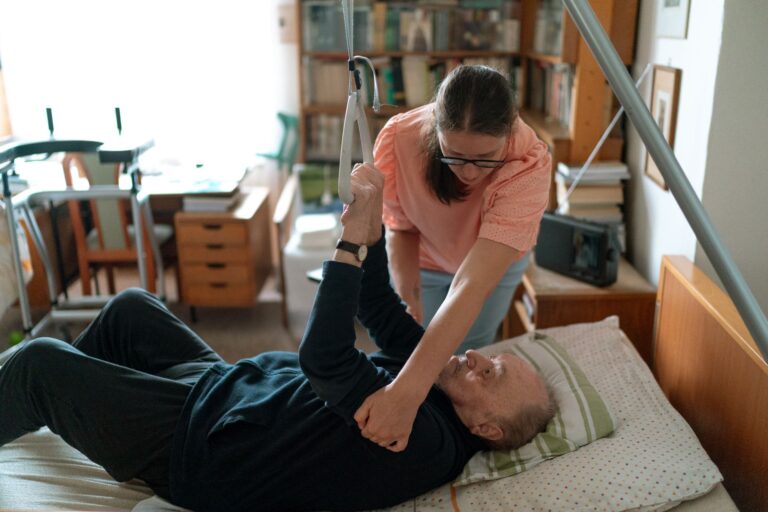
Avoid burnout sits at the center of this dementia and brain health question.
Burnout in your 30s and 40s can sneak up on you. It often feels like you’re running on empty, juggling work, family, and personal goals all at once. The good news is that there are simple ways to avoid it and keep your energy balanced.
First, be realistic about what you can handle. Life in your 30s and 40s is busy—careers might be demanding, kids need attention, and there’s always something pulling at your time. Instead of trying to do everything perfectly or all at once, break big tasks into smaller steps. This makes things feel more manageable and less overwhelming.
Taking care of yourself isn’t selfish—it’s necessary. Make sure you get enough sleep because rest fuels both body and mind. Eating nutritious food regularly helps maintain steady energy levels throughout the day; think balanced meals with plenty of fruits, vegetables, healthy fats like omega-3s, and staying hydrated by drinking water often.
Moving your body matters too—not just for physical health but for mental clarity as well. You don’t have to run marathons; even a daily walk or some gentle stretching can reduce stress hormones that build up when life gets hectic.
Mental fitness deserves attention just like physical fitness does. Try setting aside a few minutes each day for mindfulness practices such as meditation or deep breathing exercises—they help calm the mind when things feel chaotic.
Setting boundaries between work time and personal time is crucial so one doesn’t bleed into the other endlessly. Learn to say no sometimes without guilt—overcommitting leads straight down burnout lane.
Finally, don’t hesitate to reach out for support if you’re feeling overwhelmed—talking with friends or family helps lighten emotional loads; professional help from counselors or therapists can provide tools tailored specifically for managing stress in this stage of life.
Avoiding burnout isn’t about making huge changes overnight but about small consistent habits that protect your well-being while balancing responsibilities during these busy decades of life.
For more, see NIH MedlinePlus — cognitive testing.