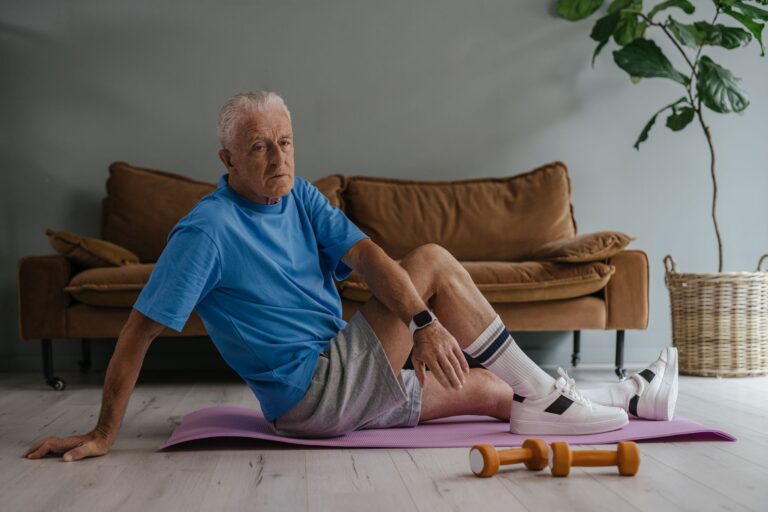
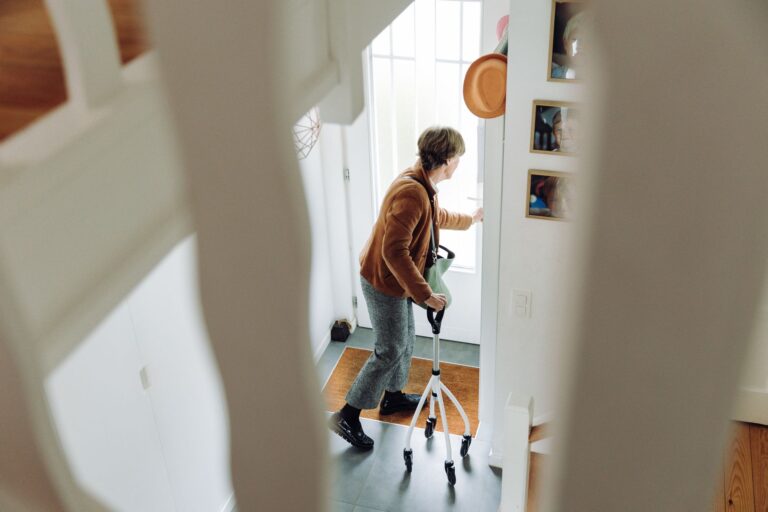
Adapt simple strength exercises for late-stage dementia by replacing standing work with assisted seated movements and passive range-of-motion to preserve remaining function. Keep sessions short, predictable, and closely supervised.
Late-stage dementia means severe memory loss, limited mobility, and high dependence on caregivers for daily tasks. The aim is no longer building muscle. Comfort, circulation, joint flexibility, and fall prevention matter more.
Medical information disclaimer: This article is for general educational purposes only and does not provide medical advice, diagnosis, or treatment. Always consult a physician or other qualified health professional about symptoms, medications, tests, or treatment decisions.
Table of Contents
- What changes in late-stage dementia?
- Which seated swaps work best?
- How do you run a calm, safe session?
- How much is enough, and what are the limits?
- Frequently Asked Questions
What changes in late-stage dementia?
The exercise goal shifts from strength gains to preserving what movement remains. According to HelpDementia.com, passive range-of-motion and assisted seated movements help reduce harms of immobility such as contractures, pressure sores, and blood clots seated core and assisted-movement guidance.
That shift changes how caregivers judge success. A good session maintains joint movement, supports sitting posture, and avoids distress. Pushing for more repetitions or heavier effort does not help.
Which seated swaps work best?
Replace standing strength work with seated alternatives. Seated marches, arm lifts, leg raises, and supported bridges keep the pattern familiar without the fall risk.
Use light hand weights, water bottles, or resistance bands only with close supervision. Let the person move the arm or leg alone when possible, then guide the rest. Stop the set if form fades or attention drops.
How do you run a calm, safe session?
Keep the routine short, simple, and predictable. As described by Grand Brook Memory Care, helpful options include chair-based exercise, gentle balance work, everyday sit-to-stand practice, and short assisted walks between rooms stage-by-stage movement guidance.
Start and join the activity, demonstrate each single step, and let the person do as much as possible independently, following caregiver guidance summarized from the National Institute on Aging dementia exercise safety sheet. Use these checks every time:.
- Choose a sturdy chair with armrests and clear floor space.
- Show one movement at a time, then do it together.
- Offer water afterward.
- Stop if pain, dizziness, or distress occurs.
How much is enough, and what are the limits?
Adapt broad targets to present ability. The Alzheimer's Society advises about 150 minutes of moderate activity weekly when possible, plus strength, balance, and flexibility work on two or more days per week.
Most controlled strength evidence covers mild-to-moderate dementia, not late-stage disease. According to the Alzheimer's Society, late-stage programs should therefore prioritize comfort, fall prevention, and clinician or physiotherapist review over progression later-stage physical difficulties. Ask the care team which seated movements fit current joints, skin risk, blood pressure, and alertness.
Frequently Asked Questions
How long should a late-stage session last?
Keep it brief and predictable, often a few minutes of chair-based movement, sit-to-stand practice, or an assisted walk between rooms.
Should we still use weights or bands?
Only with close supervision and light resistance, such as small hand weights, water bottles, or bands, stopping for pain, dizziness, or distress.