Adapt a life-story book—a personal record of memories, relationships, and routines—by using brief text, familiar images, and personally meaningful prompts. Build it with the person, emphasize well-established memories, and add practical pages for current daily life. Treat the book as a flexible conversation aid, not a memory test or permanent record that must be completed. Early dementia can affect language, thinking, perception, feelings, and behaviour as well as recent memory, according to Alzheimer's Society.
Medical information disclaimer: This article is for general educational purposes only and does not provide medical advice, diagnosis, or treatment. Always consult a physician or other qualified health professional about symptoms, medications, tests, or treatment decisions.
Table of Contents
- Let the person shape the book
- Which memories should come first?
- Make every page easy to interpret
- Add support for life today
- Use the book without causing pressure
Let the person shape the book
Start while the person can still express preferences about subjects, photographs, and format. Invite participation without requiring exact dates, names, or a chronological account. Choose a format that matches retained abilities and habits.
Options include a printed book, photo album, tablet, or smartphone record. Alzheimer's Society notes that the person can create the record collaboratively with a relative or care professional in any of these formats: its memory-loss guide. Try a small sample before building the whole book. Make two or three pages, use them together, and notice whether the person engages more readily with photographs, spoken stories, music, or objects.
Which memories should come first?
Begin with familiar periods that the person has discussed often, such as childhood, school, work, relationships, parenthood, homes, or longstanding interests. Older, frequently recalled memories are generally more firmly established than newer ones in dementia.
Organize material by topic rather than demanding a precise timeline. Possible sections include: Add recent experiences selectively. A new family photograph may be useful, but it should not displace familiar material or create pressure to remember an event.
- People who matter
- Places I have lived
- Work and responsibilities
- Celebrations and traditions
- Music, travel, and hobbies
Make every page easy to interpret
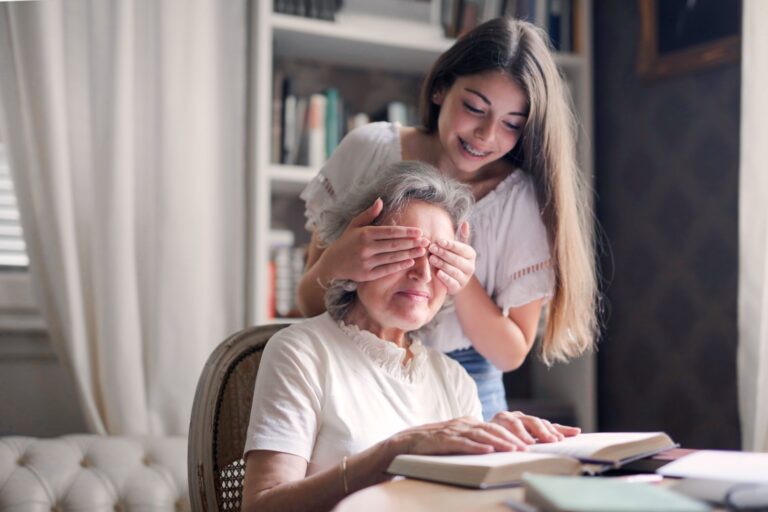
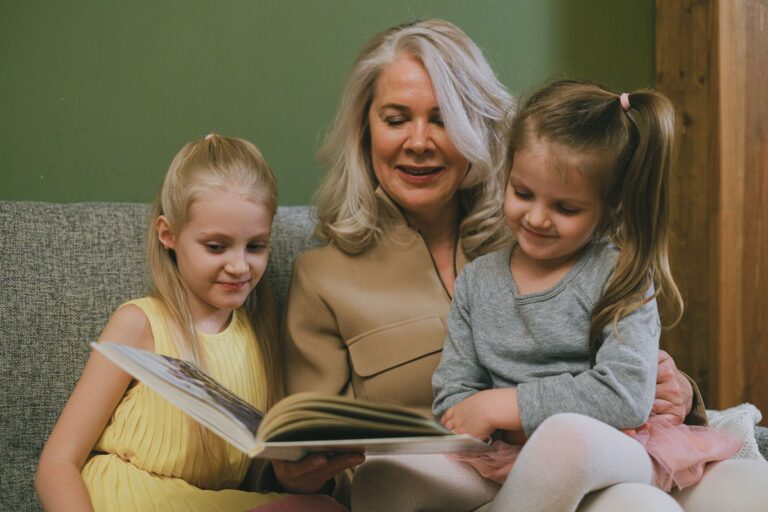
Give each page one clear purpose. Pair one or two photographs with a short caption, such as "Maya, your granddaughter" or "The garden at Oak Street." Use names and relationships instead of vague captions such as "Everyone together." When faces or names become difficult, the label provides an optional reference rather than forcing the person to guess. Include prompts beyond text. A page about seaside holidays might combine a familiar photograph, the destination's name, and a song associated with those trips.
Photographs, music, and personal possessions can all prompt reminiscence. Avoid crowded collages, long biographies, and quiz-like questions. Replace "Do you remember who this is?" with an invitation such as "This is your friend Sam. You worked together—what was Sam like?".
Add support for life today
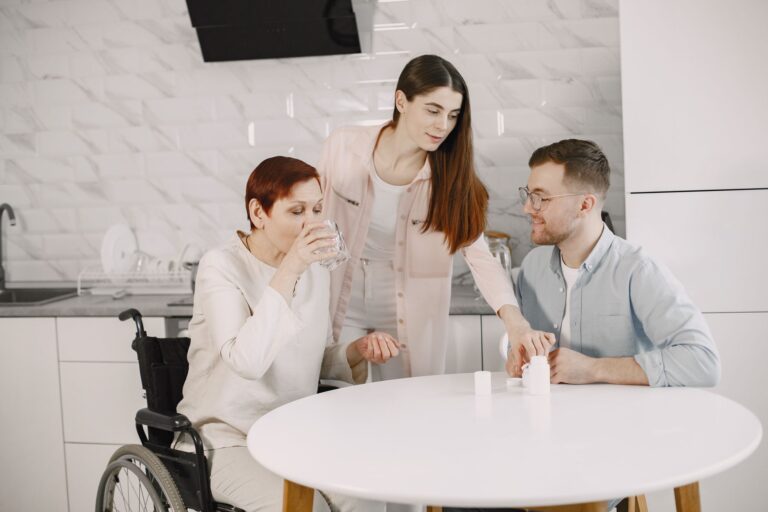
A life-story book can include orientation and routine pages without turning into a clinical organizer. Keep these pages separate from reminiscence sections so the person can use either type without confusion. Useful current pages might show:.
- Close contacts with names and relationships
- A simple daily or weekly plan
- Regular clubs, visits, or activities
Use the book without causing pressure
Share the book during relaxed conversation with relatives or care staff. Follow the person's interest rather than insisting on a fixed sequence, correct answer, or completed session. Watch for withdrawal, agitation, sadness, or a wish to stop. Life-story work can revive painful memories.
Close the book, change the subject, or choose a comforting page if the person becomes uncomfortable. The evidence supports thoughtful use but not guaranteed results. A systematic review associated life-story books with memory prompts, relationships, and person-centred care, while concluding that larger randomized and implementation studies are still needed, as reported in International Psychogeriatrics. Judge the adaptation by the person's response: continued attention, comfortable conversation, or a clear preference to engage. If a page repeatedly causes distress, remove it or set it aside.