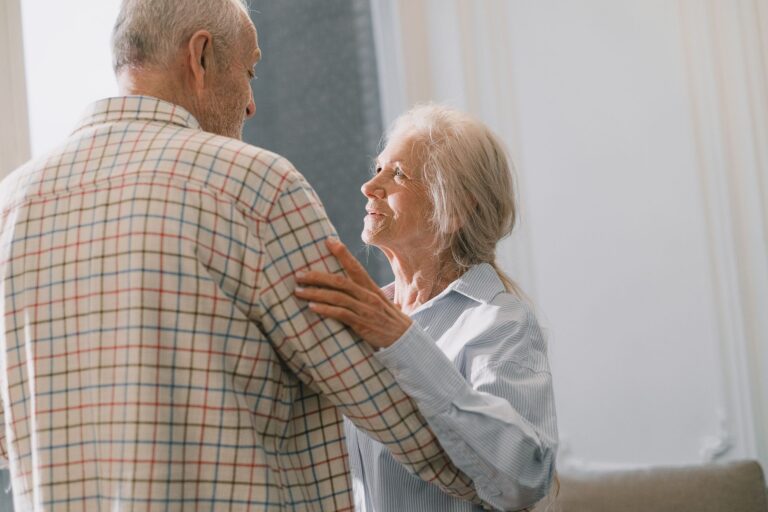
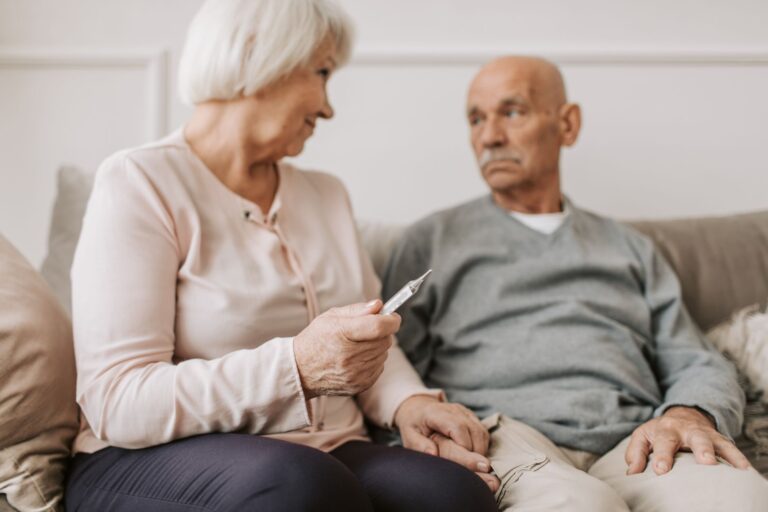
Dancing for middle-stage dementia works best as short, supervised movement to familiar music with a clear floor, sturdy support, and seated options. Middle-stage dementia means increased confusion and memory loss, disorientation, behavior changes, and higher wandering risk, so routines must stay simple and supervised. Use favorite songs as the anchor, keep steps low-intensity, and stop before fatigue. The goal is calm engagement, steady movement, and safety, not exercise performance.
Medical information disclaimer: This article is for general educational purposes only and does not provide medical advice, diagnosis, or treatment. Always consult a physician or other qualified health professional about symptoms, medications, tests, or treatment decisions.
Table of Contents
- What does a safe dance space look like?
- What supplies help most?
- How do you lead a calm session?
- What can dance do, and what are its limits?
What does a safe dance space look like?
Choose a clear, well-lit floor with wide paths free of rugs, cords, shoes, and clutter. A safe setup follows the home safety checklist from the Agency for Healthcare Research and Quality, which calls for those clear paths plus non-slip footwear and support within reach, described in the federal home-fall safety checklist.
Keep a sturdy chair or counter within arm's reach and keep water nearby. Offer seated dancing as an equal option, not a backup, and stay beside the person for the whole session.
- clear flat floor, bright light, no loose rugs or cords
- sturdy chair or counter in reach on one side
- water, phone, and walking aid parked close but out of the path
- one person dancing at a time with continuous supervision
What supplies help most?
Supportive, closed-toe, non-slip shoes reduce slips and protect feet during turns and weight shifts. A sturdy chair with armrests allows sit-to-stand support, seated marching, arm sways, and quick rest without leaving the music.
The National Institute on Aging advises older adults to start slowly with low-intensity moves, wear supportive shoes, keep support nearby, drink liquids, and check with a doctor when unsure, detailed in the NIA exercise safety guidance. Bring water, a small towel, glasses or hearing aids if used, and a short playlist of known favorites.
How do you lead a calm session?
Start with one familiar song, name each move in short words, and show it while you do it. Try step-touch, gentle sway, shoulder rolls, seated marching, and clapping, then rest before the next song.
The Alzheimer's Association says studies have shown music may reduce agitation and improve behavioral issues common in middle stages, making familiar songs a practical anchor, noted in the Association's music and art guidance. Use two or three songs at first, keep intensity low, repeat the same order each time, and switch to seated moves at any sign of unsteadiness, breathlessness, or frustration.
What can dance do, and what are its limits?
Dance can divert attention during anxiety or agitation, especially when paired with exercise, art, or music activities. Familiar rhythm gives a clear cue for what to do next, which helps when words and time feel confusing.
Frequent dancing was linked with much lower dementia risk in one long study, but the link cannot show cause. UCLA Health, summarizing the Einstein Aging Study of 469 adults over age 75, reports frequent dancers had about 76% lower risk than non-dancers during about five years of follow-up, explained in the UCLA Health summary of the study. Treat dance as engaging activity and risk-reduction, keep bouts short and frequent, and end with water, rest, and the same closing song.