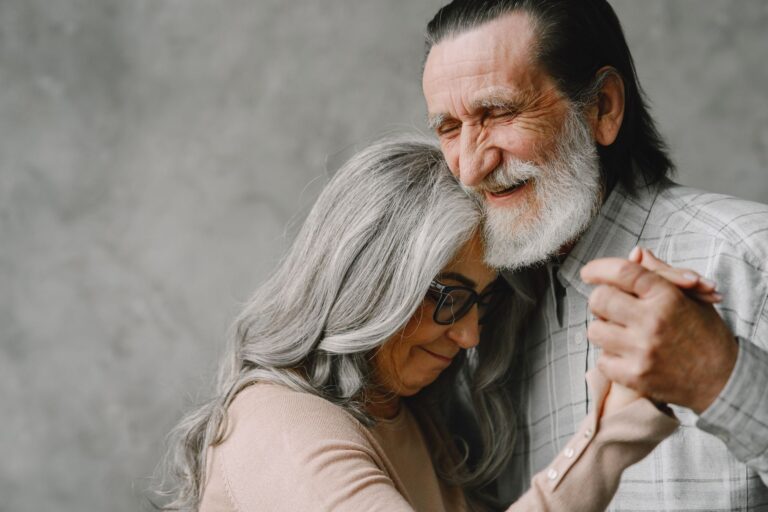
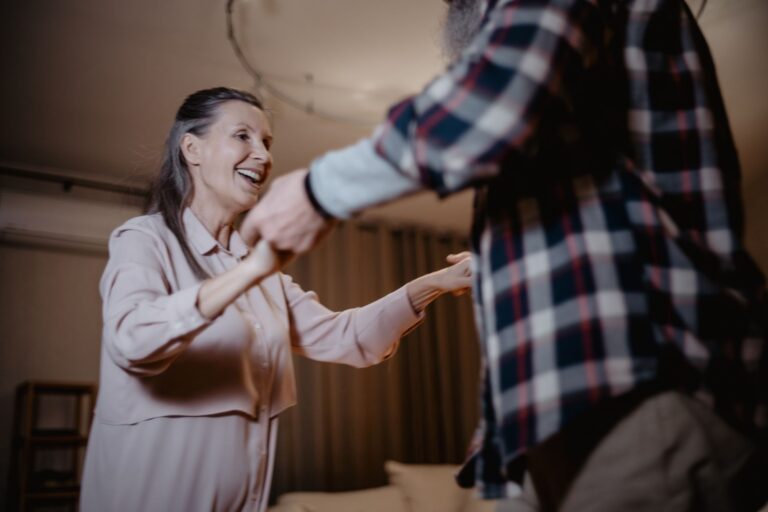
To adapt dancing for late-stage dementia, shift from steps to seated or supported rhythmic movement. Play soft, familiar music and join in clapping, swaying, tapping, or gentle upper-body motion. Late-stage dementia means advanced memory loss, limited speech, and often poor balance and stamina. In this stage, comfort, connection, and simple movement matter more than choreography or exercise time.
Medical information disclaimer: This article is for general educational purposes only and does not provide medical advice, diagnosis, or treatment. Always consult a physician or other qualified health professional about symptoms, medications, tests, or treatment decisions.
Table of Contents
- What counts as dancing at this stage?
- How do you set up a safe moment?
- Which music and moves work best?
- When should you pause or change course?
What counts as dancing at this stage?
Dancing can be a hand squeeze to the beat, shoulder sway, foot tap, or rocking in a chair. The Alzheimer's Association states even people in late-stage Alzheimer's may still tap a beat or sing childhood lyrics, so caregivers should play familiar loved music softly and encourage clapping, swaying or dancing Alzheimer's Association guidance on music and art therapy.
Treat any willing response as participation. A smile, eye contact, humming, or lifted arms all count. Stop is also participation when the person turns away, closes eyes, or tenses.
How do you set up a safe moment?
Choose a sturdy chair with armrests, locked wheelchair, or bedside seat with feet flat. Clear cords, rugs, and sharp corners, keep support within reach, and stay close enough to steady the trunk or arms.
Short, calm sessions reduce fall strain and sensory overload. The National Institute on Aging advises late-stage care should center on sensory comfort, noting familiar music relaxes some people and lessens agitation National Institute on Aging guidance on late-stage care.
- Pick one short familiar song without ad breaks.
- Keep volume low and lights calm.
- Offer one cue at a time: "Can we sway?"
- Mirror the move and let the person set the pace.
- End after one or two songs, or sooner if tired.
Which music and moves work best?
Use songs from youth and family life, hymns, lullabies, folk tunes, or wedding favorites. Familiar songs lower the need to learn and invite automatic clapping, humming, or swaying. Avoid loud, fast, unfamiliar, or ad-interrupted sources.
Keep tasks simple and failure-free. The Alzheimer's Association advises adapting art and music activities for middle-to-late stages by keeping tasks simple, choosing failure-free familiar songs, and joining in the movement Alzheimer's Association guidance on adapting art and music activities. Try scarf waving, hand dancing, shoulder rolls, marching feet, or passing a soft ball to rhythm.
When should you pause or change course?
Pause for pain faces, breathlessness, dizziness, flushed skin, agitation, or sudden sleepiness. Switch to listening, gentle touch, photos, or quiet rest. Do not lift, spin, pull arms overhead, or urge standing without a trained helper and safe support.
Expect day-to-day change. One day brings two songs and smiles, the next brings only hand-holding to music. Feasibility studies of adapted dance report that seated-and-standing formats can be acceptable for people with more advanced dementia, but benefits for mood and apathy still need larger controlled trials.