Reviewed by the Help Dementia Editorial Team — our editors review every article for accuracy against guidance from the National Institute on Aging, the Alzheimer’s Association, and peer-reviewed sources.
Stroke risk sits at the center of this dementia and brain health question.
Stroke and dementia are connected conditions that frequently occur together, with each one increasing the risk of developing the other. When a person has a stroke, the interruption of blood flow to the brain can cause immediate damage to brain tissue and significantly raise the likelihood of cognitive decline later. At the same time, the underlying vascular problems that lead to stroke—such as high blood pressure, diabetes, or atherosclerosis—also increase dementia risk over time. A 65-year-old man who experiences a major stroke might recover some physical function but find his memory and thinking skills noticeably weaker within a year, even without a diagnosis of dementia at the time. The relationship between these two conditions operates on multiple levels.
Some strokes directly cause vascular dementia when they damage the brain regions responsible for memory and cognition. Other times, silent strokes—episodes of blocked blood flow that go unnoticed—accumulate over months or years, gradually eroding mental abilities. Still other strokes accelerate the underlying brain changes of Alzheimer’s disease, meaning someone who might have developed mild memory loss in their 80s instead experiences significant cognitive problems in their 60s or 70s. Understanding this overlap matters because it means reducing stroke risk is one of the most practical ways to protect brain health and lower dementia risk at the same time. The same lifestyle changes and medical interventions that prevent strokes often prevent or delay dementia as well.
Table of Contents
- WHAT HAPPENS TO THE BRAIN DURING AND AFTER A STROKE?
- THE VASCULAR ROOT CAUSE: HOW STROKE AND DEMENTIA SHARE COMMON RISK FACTORS
- SILENT STROKES AND COGNITIVE DECLINE
- HOW TREATING STROKE RISK ALSO PROTECTS COGNITION
- VASCULAR COGNITIVE IMPAIRMENT AND THE EARLY PHASES
- THE COMBINATION: STROKE, VASCULAR DISEASE, AND ALZHEIMER’S
- EMERGING RESEARCH AND FUTURE PROTECTION STRATEGIES
- Conclusion
WHAT HAPPENS TO THE BRAIN DURING AND AFTER A STROKE?
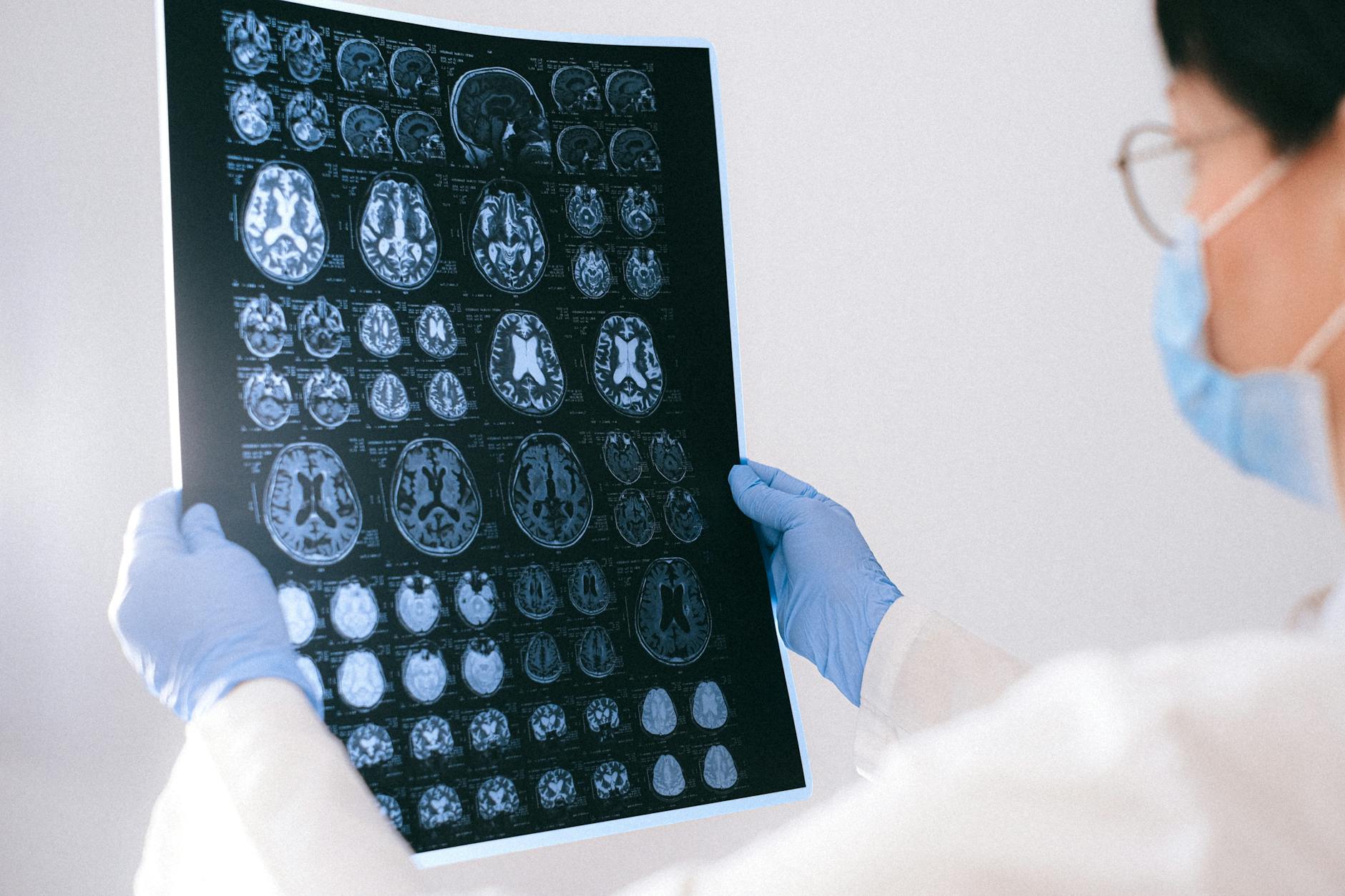
A stroke occurs when a blood clot blocks a vessel supplying the brain, or when a vessel ruptures and spills blood into brain tissue. Within minutes, the brain cells in that area begin to die from lack of oxygen and nutrients. The damage is immediate and often visible on a brain scan within hours. Depending on which brain region is affected, a stroke can cause paralysis, vision loss, speech problems, or difficulty swallowing. The severity depends on the size and location of the stroke. What many people don’t realize is that cognitive problems often follow.
Some people develop obvious difficulties right after the stroke—confusion, difficulty finding words, or trouble concentrating. Others seem to recover well physically but gradually notice their thinking slows down, their memory feels weaker, or they have trouble organizing their thoughts over the following weeks and months. A woman in her early 70s might have a small stroke in an area that doesn’t control movement, feel almost back to normal after a week, and then six months later struggle to remember why she walked into a room or have difficulty following conversations with multiple people. This creeping cognitive decline is sometimes missed because the stroke itself appeared minor. The brain has some capacity to reroute information around damaged areas, which is why some people recover cognitive abilities after a stroke. However, this neuroplasticity has limits, and the cognitive damage from one stroke can be permanent. When additional strokes occur, each one removes more functional brain tissue, and the cumulative effect becomes more noticeable.
THE VASCULAR ROOT CAUSE: HOW STROKE AND DEMENTIA SHARE COMMON RISK FACTORS
The conditions overlap because they often grow from the same underlying problem: damaged blood vessels and poor vascular health. High blood pressure forces the heart to work harder, gradually thickening and stiffening artery walls. Atherosclerosis—the buildup of fatty plaques inside arteries—narrows the vessels that supply blood to the brain. Diabetes damages the inner lining of blood vessels, making them more prone to clotting. These same processes that trigger strokes also gradually reduce blood flow to the brain in ways that don’t cause an obvious stroke event but still damage brain tissue over time. This means a person can develop vascular dementia through chronic reduced blood flow without ever having a clinical stroke. Brain cells receive just barely enough oxygen and nutrients to survive but not enough to work optimally.
Memory fades, decision-making slows, and mood problems emerge. The person might notice they can’t remember where they put their keys or become easily frustrated, without connecting these changes to the fact that their small blood vessels are narrowing. The limitation here is that early vascular damage is often invisible. Many people have significant vascular disease affecting their brain without any symptoms at all, which is why brain scans sometimes show evidence of cumulative small strokes in people who never reported a stroke or transient ischemic attack (TIA). When vascular disease is severe enough to cause a major stroke, the risk of additional damage jumps sharply. Someone who has had one stroke faces double or triple the risk of having another stroke compared to someone with no stroke history. With each additional stroke, the dementia risk climbs higher.
SILENT STROKES AND COGNITIVE DECLINE
One of the most significant insights from brain imaging studies is the discovery of silent strokes—areas of brain tissue death that cause no noticeable symptoms. A person walks through life unaware that a small blood vessel has blocked and killed a cluster of brain cells. Over months or years, these silent strokes accumulate, and the person gradually realizes they are not as sharp as they used to be. Research shows that many older adults have evidence of silent strokes on brain imaging, particularly those with high blood pressure or diabetes. A 75-year-old woman with controlled diabetes and no stroke symptoms gets an MRI for an unrelated reason and learns she has at least three areas of old infarction in her brain—visible as small dark spots. Her family has noticed her thinking seems slower and her memory less reliable over the past few years, changes they attributed to normal aging.
In her case, the silent strokes explain the decline more completely than aging alone. The warning here is that silent strokes are impossible to feel or notice. Someone can have a stroke and not know it happened, yet the damage is real and cumulative. Silent strokes appear to accelerate the cognitive changes seen in Alzheimer’s disease. Someone with Alzheimer’s pathology (amyloid and tau protein buildup) who also has vascular disease typically shows cognitive symptoms earlier than someone with Alzheimer’s pathology alone. The combination is more destructive than either condition alone.

HOW TREATING STROKE RISK ALSO PROTECTS COGNITION
Because stroke and dementia risk share common causes, interventions that prevent strokes often simultaneously lower dementia risk. Managing high blood pressure is the clearest example: controlling hypertension prevents strokes and also protects brain tissue from vascular damage. People who take blood pressure medication consistently show lower rates of cognitive decline compared to those whose blood pressure remains uncontrolled. Antiplatelet medications like aspirin, prescribed after a stroke to prevent another one, may also reduce dementia risk in some groups, though the evidence is less clear-cut than with blood pressure control. The tradeoff is that aspirin and similar medications increase the risk of bleeding, including brain bleeding, so they are not appropriate for everyone.
A person recovering from a stroke faces the decision of taking these medications to prevent another stroke, weighing the benefit against the real but smaller risk of a bleeding event. Other interventions show promise as well. Statins, prescribed to lower cholesterol and reduce stroke risk, may provide additional cognitive benefits beyond stroke prevention, though research on this is still developing. Maintaining physical activity, managing diabetes, quitting smoking, limiting alcohol, and eating a healthy diet all reduce both stroke and dementia risk. Unlike medications with specific side effects and tradeoffs, these lifestyle measures tend to offer benefits without downsides, though they require sustained effort and are harder for many people to maintain long-term.
VASCULAR COGNITIVE IMPAIRMENT AND THE EARLY PHASES
Vascular cognitive impairment is the medical term for cognitive decline caused by vascular disease, including both strokes and the more gradual damage from chronic reduced blood flow. It exists on a spectrum, ranging from mild cognitive complaints to dementia severe enough to prevent someone from living independently. One important limitation is that people with vascular cognitive impairment often have patterns of cognitive loss that differ from those with Alzheimer’s disease. Instead of primarily losing memory, they may struggle more with planning, organizing, decision-making, and speed of thinking.
Someone with vascular cognitive impairment might remember a conversation perfectly but have trouble initiating a new task or organizing the steps to complete it. Another warning: vascular cognitive impairment can progress in a stepwise fashion—with sudden drops in function after a stroke followed by a period of stability, rather than the gradual decline typical of Alzheimer’s. This means someone could seem stable for a year, then have a stroke and experience sudden cognitive decline, creating a different clinical course than other forms of dementia. Risk factors for severe vascular cognitive impairment include multiple strokes, recurrent TIAs, and poor control of blood pressure. Men show slightly higher rates of vascular dementia than women, though this gap narrows in very advanced age.
THE COMBINATION: STROKE, VASCULAR DISEASE, AND ALZHEIMER’S
Many older adults don’t have just one type of dementia. Brain autopsies and imaging studies show that vascular disease and Alzheimer’s pathology often coexist in the same person. When they do, the cognitive symptoms tend to be more severe and appear earlier than when one condition exists alone.
A person with both mild Alzheimer’s changes and a history of strokes might reach the point of needing help with daily activities at 72, while someone with Alzheimer’s pathology alone might not require assistance until 80. The two conditions interact in ways that are not simply additive. The brain becomes less able to compensate for damage when multiple systems are compromised. Treating the vascular risk factors remains important in this situation, even though the Alzheimer’s changes are also present.
EMERGING RESEARCH AND FUTURE PROTECTION STRATEGIES
Research into the stroke-dementia connection continues to reveal new details about how best to prevent cognitive decline. Studies are examining whether more intensive blood pressure control, even to lower-than-standard targets, might provide additional cognitive benefits. Others explore the role of inflammation and how reducing inflammatory markers in the blood might lower both stroke and dementia risk.
Looking forward, one of the most practical implications is that brain health and stroke prevention are inseparable goals. Preventing a single stroke prevents not only immediate disability but also years of potential cognitive decline. The earlier that vascular risk factors are addressed—blood pressure control in the 40s and 50s, maintaining healthy weight, regular physical activity throughout adulthood—the more brain tissue can be preserved before age-related decline begins.
Conclusion
Stroke and dementia are intimately connected through shared vascular risk factors, direct brain damage from stroke, and the cumulative effect of silent strokes on cognitive abilities. Understanding this connection shows that many dementia cases are not inevitable but rather reflect decades of uncontrolled vascular risk factors that could have been addressed at earlier stages of life.
The most actionable takeaway is that maintaining vascular health is one of the most important things a person can do to protect their brain health and reduce their risk of both stroke and dementia. Regular blood pressure checks, consistent management of diabetes and high cholesterol, staying physically active, avoiding smoking, and eating a brain-healthy diet represent the foundation of protection. For those who have already experienced a stroke or TIA, aggressive management of risk factors becomes even more critical to prevent additional strokes and cognitive decline.
You Might Also Like
- How Environmental Stressors May Shape Dementia Risk
- Why Alcohol Use History Matters in Dementia Diagnosis
- Why Leafy Greens Are Often Mentioned in Dementia Research
For more, see Alzheimer’s Association — clinical trials.