Sing-alongs support engagement in dementia care by inviting people to sing, move, and respond with others in the moment. Engagement means sustained attention, participation, and social connection during the activity.
Studies describe in-person groups, virtual choirs, and caregiver-led singing at home. Music choice, dementia stage, and age shape the response. Care partners often join and take part.
Medical information disclaimer: This article is for general educational purposes only and does not provide medical advice, diagnosis, or treatment. Always consult a physician or other qualified health professional about symptoms, medications, tests, or treatment decisions.
Table of Contents
- What engagement looks like in practice
- Who may respond most clearly
- How to set up a supportive session
- What are the limits to expect
What engagement looks like in practice
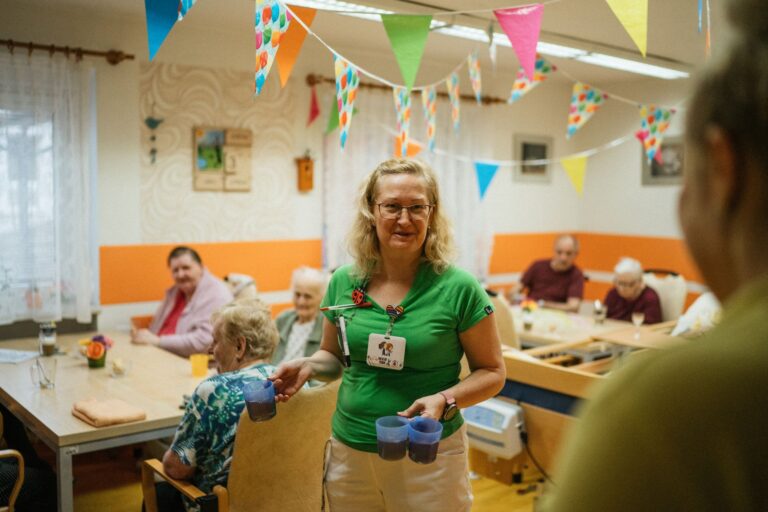
In Northwestern's Musical Bridges to Memory program, a live ensemble played music from patients' youth. Patients and caregivers answered by singing, dancing, and playing simple instruments. The Well News reporting on the medical school program described this shared response in its account of the live music intervention.
Northwestern University researchers studied virtual group singing with the Sounds Good Choir. It supported well-being and social connection for adults 55 and older, including people with neurocognitive disorders, during COVID isolation. The work studied in the Journal of Alzheimer's Disease used weekly virtual sessions and a virtual concert with the Good Memories Choir of early-memory-loss patients and care partners, as Northwestern University reported in its summary of the virtual singing study.
Who may respond most clearly
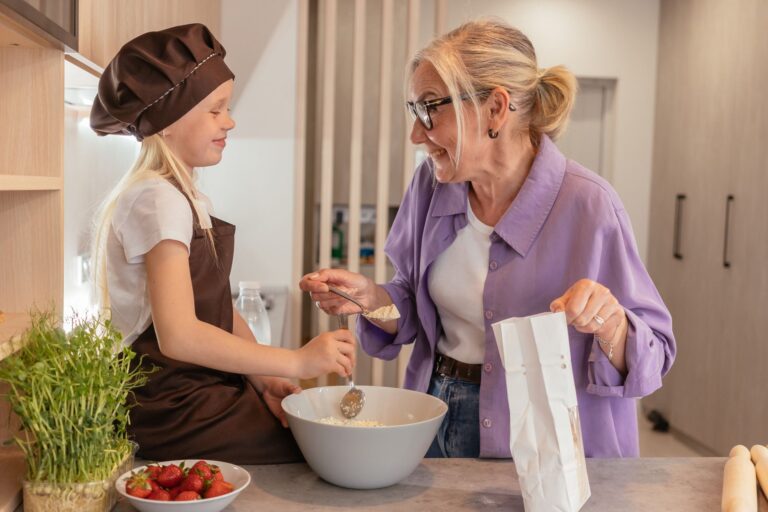
Caregiver-led singing helped working memory, executive function, and orientation. The benefit was strongest for people with mild dementia and age under 80. PsyPost reporting University of Helsinki research described these gains in its report on singing and early dementia.
That Helsinki work also linked both singing and music listening to lower depression, most clearly in mild Alzheimer's-type dementia. A 2020 systematic review in Geriatrics concluded that music therapy reduced apathy. It also found that lyrics may activate memory formation and improve verbal fluency.
How to set up a supportive session
A useful model is structured, low-pressure group singing. Alzheimer's Society service listings describe Singing for the Brain as music-therapy-based sessions with vocal warm-ups and familiar plus new songs.
The sessions serve early-to-moderate dementia, welcome carers, and need no experience. Use familiar songs, often music from the person's youth. Keep the lead calm and the pace flexible.
- Start with a brief vocal warm-up
- Mix familiar songs with one new song
- Invite carers to sing along
- Offer clapping, movement, or a simple instrument
What are the limits to expect
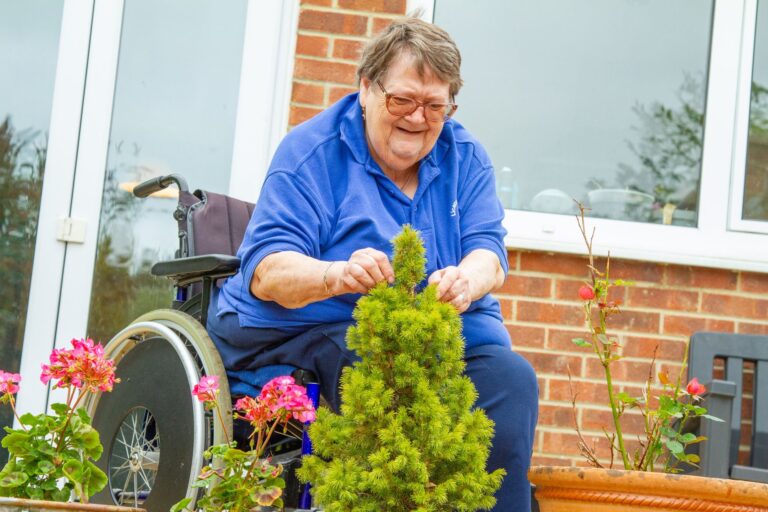
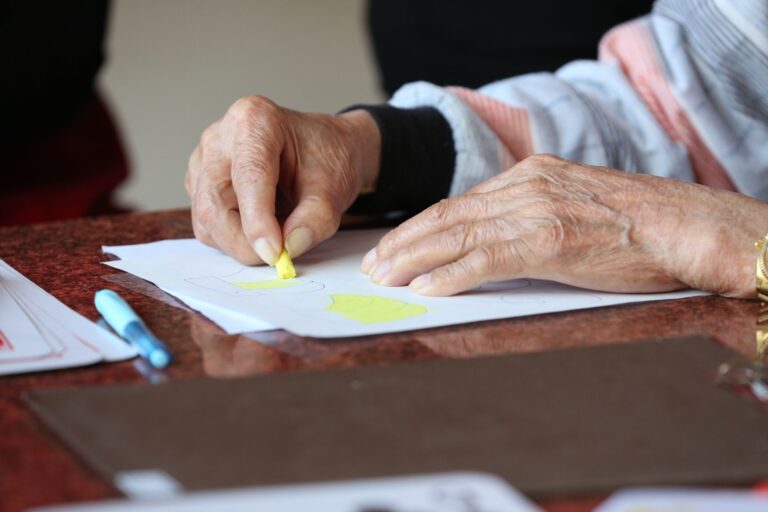
Singing is not the only activity that helps attention and mood. A crossover pilot found singing and conversation both had positive effects for people with dementia. It found no clear difference in engagement or affect during the activities, according to the National Library of Medicine pilot summary in its record of the singing versus conversation pilot.
Match the activity to the person's state and taste. Some people prefer talk, quiet listening, or a smaller group. If attention fades or distress appears, pause and try conversation or return later.