Puzzle games support brain health in early dementia by building cognitive reserve, the brain's ability to keep working despite age-related damage. They are linked to sharper thinking and a later start of dementia symptoms.
That support means compensation, not cure. Puzzles do not remove disease from the brain. They may help a person function better for longer.
Medical information disclaimer: This article is for general educational purposes only and does not provide medical advice, diagnosis, or treatment. Always consult a physician or other qualified health professional about symptoms, medications, tests, or treatment decisions.
Table of Contents
- What large studies found
- Why puzzles may help the brain cope
- What puzzles cannot do
- How to use puzzles after an early diagnosis
What large studies found
Researchers at the University of Exeter studied more than 19,000 adults aged 50 to 96 in the PROTECT program. Regular crossword and Sudoku users scored higher on attention, reasoning and memory tests, with frequent word-puzzle users performing like people 10 years younger on grammatical reasoning in the university announcement. The same program linked frequent word-puzzle use to short-term memory and problem-solving equal to 8 years younger versus non-puzzlers.
The effect applied to healthy older adults. A Rush study of 1,903 dementia-free adults with an average age of 80 found a later outcome. Those reporting the most reading, puzzle, card and board-game activity developed dementia at a mean age of 94, versus 89 for the least active, according to the Center for Science in the Public Interest in its summary of the Neurology study.
Why puzzles may help the brain cope
Cognitive reserve is the leading explanation. Mental activity strengthens networks and flexible strategies. The brain then compensates longer for damage.
This explains preserved daily function despite ongoing pathology. Rush researcher Robert Wilson said inexpensive activities including puzzles may still help even when started in the 80s. That point matters for early-dementia advice, when families want low-cost steps they can start now.
What puzzles cannot do
The evidence is observational. Exeter lead Anne Corbett said the work cannot prove puzzles reduce dementia risk, because frequent puzzlers may differ in other ways.
Practice also transfers narrowly. The Stanford Center on Longevity consensus, summarized by BrainCheck, found that game practice reliably improves the practiced skill but evidence is much weaker for transfer to daily functioning, sustained gains or lower dementia incidence in the BrainCheck summary. The same consensus warned that excess play can displace exercise and social engagement.
How to use puzzles after an early diagnosis
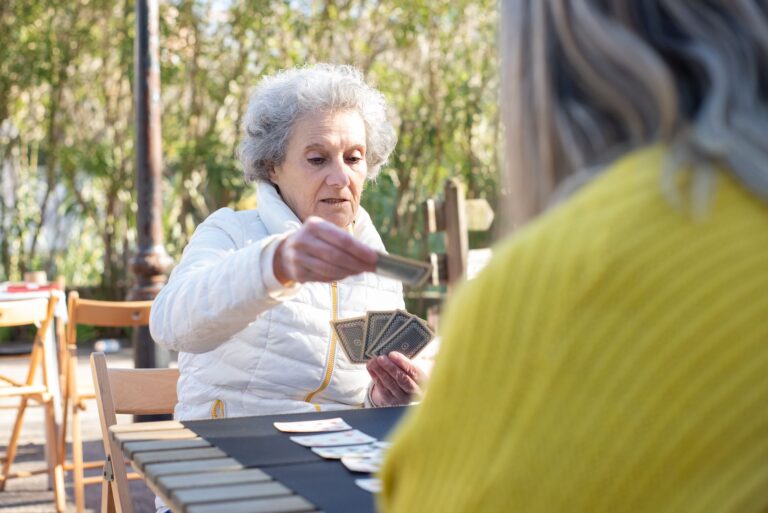
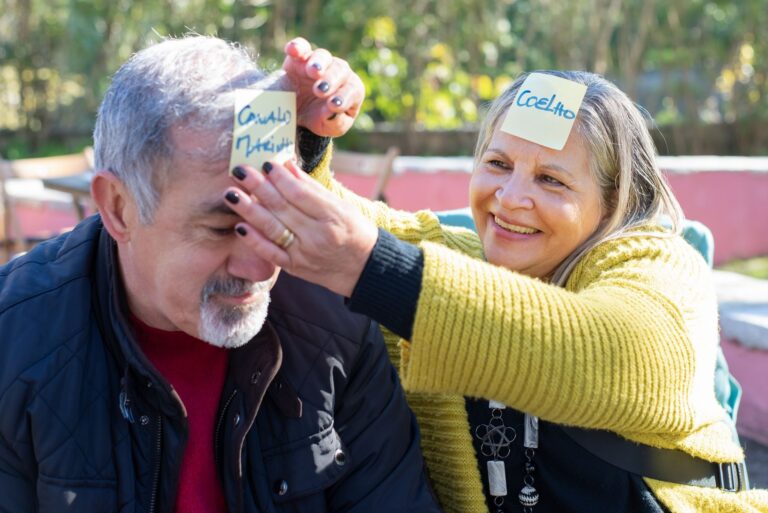
Match difficulty to the person. Choose crosswords, Sudoku, jigsaws, word searches, card games or simple board games. Pick formats with large print, clear rules and short rounds.
Use puzzles to support routine, mood and confidence. Do them together when possible. Talk through choices, take breaks and stop before frustration builds. Do not let screen games replace movement, sleep, meals or time with others.
- Choose one familiar puzzle type
- Keep sessions short and regular
- Pair puzzles with walks, meals and visits
- Change difficulty if tasks become too easy or too hard