Reviewed by the Help Dementia Editorial Team — our editors review every article for accuracy against guidance from the National Institute on Aging, the Alzheimer’s Association, and peer-reviewed sources.
Clarinex and Pilots Use Cold are two of the most common questions we get. Here is a clear, evidence-based look at what Clarinex actually does for Pilots Use Cold, who it helps most, and when to talk to a doctor.
Pilots use Clarinex to manage nasal congestion and stuffiness caused by colds because the medication provides relief without causing the severe drowsiness associated with older antihistamines like diphenhydramine. Since alertness and cognitive function are critical for flight safety, Clarinex (desloratadine) offers pilots a non-sedating option to clear their airways while maintaining the focus required in the cockpit.
- Pilots Clarinex Cold: Table of Contents
- Why Do Pilots Choose Clarinex Over Other Cold Medications?
- Medical Regulations and Pilot Medical Certification Requirements
- How Does Clarinex Compare to Other Non-Drowsy Antihistamines Pilots Might Consider?
- Practical Timing and Dosing for Pilots During Flight Operations
- Safety Considerations and Warnings for Pilots Using Clarinex
- Cognitive Function and Dementia Considerations in Aging Pilots
- Future Perspectives and Long-Term Management for Pilots
- Conclusion
- Frequently Asked Questions
- You Might Also Like
A pilot battling sinus congestion from a winter cold can take Clarinex in the morning and maintain the mental clarity needed for preflight checks, navigation, and emergency response—something that wouldn’t be possible with traditional over-the-counter cold medications that impair judgment. The Federal Aviation Administration (FAA) does not explicitly prohibit Clarinex use for pilots, though aviation medicine officers emphasize that any medication must not interfere with flying ability. Because Clarinex is a second-generation antihistamine designed to minimize central nervous system effects, it fits within guidelines for medications pilots can use during their aviation careers, provided the underlying illness doesn’t ground them for other reasons.
Pilots Clarinex Cold: Table of Contents
- Why Do Pilots Choose Clarinex Over Other Cold Medications?
- Medical Regulations and Pilot Medical Certification Requirements
- How Does Clarinex Compare to Other Non-Drowsy Antihistamines Pilots Might Consider?
- Practical Timing and Dosing for Pilots During Flight Operations
- Safety Considerations and Warnings for Pilots Using Clarinex
- Cognitive Function and Dementia Considerations in Aging Pilots
- Future Perspectives and Long-Term Management for Pilots
- Conclusion
- Frequently Asked Questions
Why Do Pilots Choose Clarinex Over Other Cold Medications?
Pilots face unique constraints when managing cold symptoms. Traditional cold remedies like pseudoephedrine (Sudafed) can cause tremors, jitteriness, and cardiovascular effects—side effects that are disqualifying for flight duty. Diphenhydramine (Benadryl), while effective for congestion, causes drowsiness that would impair a pilot’s ability to fly safely and legally. Clarinex solves this problem by providing decongestant relief through a non-drowsy, non-stimulating mechanism.
Clarinex works by blocking histamine receptors responsible for nasal swelling and congestion without crossing the blood-brain barrier in significant amounts. This means a pilot taking Clarinex can breathe clearly without experiencing the fatigue, dizziness, or reduced reaction time that would occur with first-generation antihistamines. For example, a regional airline pilot might take Clarinex before a four-hour flight to manage congestion from a cold without worrying about nodding off during cruise or becoming impaired if an emergency requires quick decision-making. The advantage becomes even clearer when comparing Clarinex to combination cold products (like NyQuil or DayQuil), which often contain multiple ingredients including alcohol or sedating components that would violate FAA regulations for airmen. Clarinex’s single, non-sedating mechanism makes it one of the safest options in the cold-and-congestion medication category.
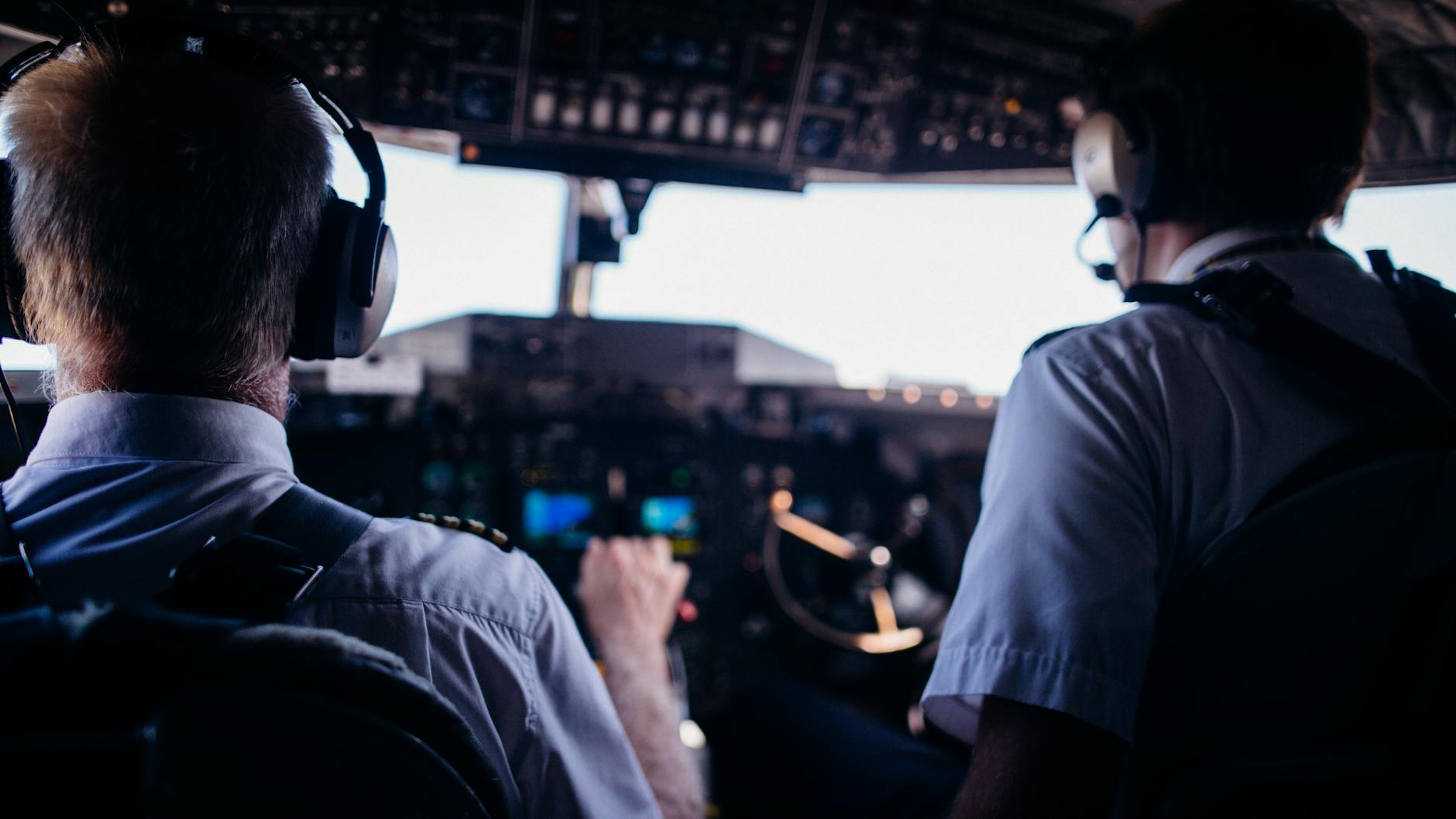
Medical Regulations and Pilot Medical Certification Requirements
The FAA requires all pilots to maintain a valid medical certificate, and part of that certification involves disclosing all medications taken. While Clarinex is generally considered acceptable, pilots must still report its use to the Aviation Medical Examiner (AME) during their medical certification process or renewal. The examiner will evaluate whether the underlying cold or respiratory illness is severe enough to ground the pilot temporarily, regardless of what medication is used. A critical limitation pilots face is that even with Clarinex providing symptom relief, a severe cold—particularly one involving cough, chest congestion, or systemic illness—can still disqualify a pilot from flying until fully recovered. Clarinex treats only the nasal congestion component of a cold, not the infection itself.
A pilot might have clear nasal passages but still be unsafe to fly if experiencing fatigue, fever, or diminished cognitive function from the underlying viral illness. The FAA’s “I’m Sick” rule advises that any pilot who feels unwell should not fly, and this applies even if one symptom (stuffiness) has been medically managed. Additionally, pilots must understand that Clarinex effects can take 30 to 60 minutes to peak, so timing matters. A pilot cannot expect immediate relief if taking the medication right before a preflight. Planning ahead—taking Clarinex well in advance of the flight—is necessary for safe use in aviation.
How Does Clarinex Compare to Other Non-Drowsy Antihistamines Pilots Might Consider?
Clarinex is one of several second-generation antihistamines available, alongside cetirizine (Zyrtec) and loratadine (Claritin). All three are non-sedating and commonly considered acceptable for pilot use. However, Clarinex is the active metabolite of loratadine, meaning it reaches therapeutic levels in the bloodstream more quickly and consistently than loratadine itself. For a pilot who needs rapid relief from cold congestion, this faster onset can be an advantage.
Cetirizine has a slightly higher rate of drowsiness than Clarinex or loratadine in some individuals, making it a secondary choice for pilots. Loratadine remains a viable option but requires more consistent dosing to maintain effect. A commercial pilot managing recurrent seasonal allergies or a cold might prefer Clarinex’s once-daily dosing and faster action profile, especially compared to loratadine, which some individuals find less effective for acute nasal congestion. The cost difference is also relevant: generic loratadine (Claritin) is significantly cheaper than brand-name Clarinex, and pilots on tight budgets might opt for loratadine unless they specifically need the faster onset. For emergency or acute situations—such as a pilot who suddenly develops congestion the night before a scheduled flight—Clarinex’s quicker action makes it the pragmatic choice.

Practical Timing and Dosing for Pilots During Flight Operations
For pilots using Clarinex to manage cold stuffiness, proper timing is essential. The standard dose is 5 mg once daily, typically taken in the morning. If a pilot is flying later in the day, taking Clarinex in the morning allows the medication to reach full effect before takeoff, ensuring clear nasal passages throughout the flight without any lag in symptom relief. A regional airline captain managing a cold might take 5 mg of Clarinex at 6 a.m., ensuring maximum benefit by the time of an 8 a.m.
preflight inspection. This schedule allows the medication to work during the entire flight day without requiring additional doses that could confuse the medication’s timeline or create questions about compliance with flight-time limitations and rest periods. However, pilots should avoid doubling up on doses if a single dose doesn’t seem effective. Exceeding the recommended 5 mg daily amount increases the risk of side effects and doesn’t provide better symptom relief. If standard Clarinex dosing doesn’t adequately manage congestion, the pilot should speak with an aviation medical examiner or their primary care doctor before flying, as this may indicate that the cold is too severe for flight operations anyway.
Safety Considerations and Warnings for Pilots Using Clarinex
While Clarinex is non-sedating, pilots must be aware that any medication carries potential for individual sensitivity or unexpected reactions. Some pilots may experience rare side effects such as headache, dry mouth, or nervousness—symptoms that could distract or impair attention in the cockpit. Before using Clarinex as part of regular flight duty, a pilot should test the medication during a day off to assess personal tolerance and confirm there are no unusual reactions. Another important limitation: Clarinex addresses only allergic or histamine-driven congestion.
If a pilot’s nasal stuffiness is caused by a bacterial sinus infection, structural obstruction, or severe viral inflammation, Clarinex may provide minimal relief. In these cases, the pilot may need additional treatment (such as nasal saline rinses, decongestant nasal sprays used briefly, or antibiotics for bacterial infection) or may need to remain grounded until the condition improves. Mistakenly assuming Clarinex will fix all types of congestion can lead to dangerous situations where a pilot flies while still impaired by severe nasal obstruction, potentially affecting oxygen intake and cognitive sharpness. Pilots should also be cautious about combining Clarinex with other medications or alcohol, though serious interactions are rare. Alcohol can enhance any sedating effects of antihistamines, so pilots using Clarinex should maintain strict adherence to FAA rules prohibiting alcohol consumption within 8 hours of flight or during duty.

Cognitive Function and Dementia Considerations in Aging Pilots
As pilots age, particularly those continuing to fly past age 65, the interaction between cold medications and cognitive function becomes increasingly relevant. While Clarinex does not significantly impair cognition in younger pilots, older adults sometimes experience subtle effects such as mild confusion, dizziness, or difficulty with memory recall—side effects that are usually attributed to the cold itself but could be exacerbated by medication.
An aging pilot should monitor their mental state closely while using Clarinex and report any unusual cognitive symptoms to their aviation medical examiner. For older pilots with early cognitive decline or family history of dementia, adding any medication warrants careful consideration. Clarinex is not known to accelerate cognitive decline, but the cumulative effect of multiple medications, colds, and normal aging means that older aviators need more frequent medical supervision and more conservative approaches to medication use during flight operations.
Future Perspectives and Long-Term Management for Pilots
As aviation medicine evolves, the understanding of which medications are safe for pilots continues to be refined based on research and clinical experience. Clarinex remains a well-studied, widely accepted option for non-sedating allergy and cold symptom relief in the pilot population. Newer antihistamines and decongestants are continually being evaluated by the FAA, and pilots should stay informed about any updates to approved medication lists.
For pilots who frequently battle colds or seasonal congestion, the long-term strategy isn’t simply to rely on Clarinex for every bout of stuffiness. Instead, addressing underlying causes—such as allergies, environmental triggers, or recurrent sinus infections—through allergy testing, immunotherapy, or consultation with an ear, nose, and throat specialist can reduce the overall need for medication. Maintaining robust health through proper sleep, hydration, and infection prevention remains the most effective way for pilots to avoid the stuffiness problem altogether.
Conclusion
Pilots use Clarinex for cold stuffiness because it provides effective nasal congestion relief without the drowsiness, tremors, or cognitive impairment associated with traditional cold medications. The non-sedating nature of Clarinex makes it compatible with the high demands of aviation, where alertness and sound judgment are essential. However, medication alone cannot address a severe cold; pilots must ensure that their overall health is adequate for flight operations and must report all medication use to their aviation medical examiner.
The key to safe use of Clarinex in aviation is understanding that it is a symptom-relief medication, not a cure for the underlying cold. Pilots should time their dosing appropriately, test the medication before relying on it during flights, and remain grounded if their cold is too severe for flight operations—a decision that supersedes any medication benefit. For aging pilots and those with cognitive health concerns, consultation with an aviation medical examiner before using any new medication ensures that flight safety remains the top priority.
Frequently Asked Questions
Is Clarinex approved by the FAA for pilots?
Clarinex is not explicitly prohibited by the FAA. However, all medications must be reported to an Aviation Medical Examiner during medical certification. The examiner will evaluate whether Clarinex and the underlying cold are compatible with safe flight operations.
How long does Clarinex take to work?
Clarinex typically reaches maximum effect within 30 to 60 minutes of taking the 5 mg dose. Pilots should take it well in advance of preflight operations to ensure symptom relief is established before flying.
Can a pilot take Clarinex if also managing allergies?
Yes, Clarinex is an antihistamine commonly used for allergies. Pilots with seasonal or environmental allergies can use Clarinex on an ongoing basis, provided it is reported during medical certification and the pilot demonstrates no adverse effects.
What if Clarinex doesn’t relieve my cold stuffiness?
If standard Clarinex dosing is ineffective, the pilot should not exceed the recommended 5 mg daily dose. Instead, consult an aviation medical examiner or primary care doctor. Poor response to Clarinex may indicate that the cold is too severe for flight operations or that a different underlying condition is causing the congestion.
Can a pilot fly immediately after taking Clarinex?
While Clarinex is non-sedating, it takes 30 to 60 minutes to reach full effect. Ideally, a pilot should take Clarinex in the morning and allow several hours before flight operations to ensure the medication is working and to confirm no unexpected side effects occur.
Are there any interactions between Clarinex and other pilot medications?
Clarinex has minimal interactions with most common medications. However, pilots should inform their aviation medical examiner about all medications they take and should avoid alcohol within 8 hours of flight duty, as alcohol can enhance any sedating properties of antihistamines.
You Might Also Like
- How Athletes Use Vitamin C for Cold Stuffiness
- Why People Are Switching From Advil Cold & Sinus to Zicam Nasal
- Why Pediatricians Often Recommend Strepsils for Cold Congestion