Parkinson’s disease leads to life-altering injuries primarily through its progressive assault on the body’s motor control systems””tremors destabilize grip and handling of objects, rigidity limits protective reflexes, and bradykinesia (slowness of movement) prevents quick reactions to hazards. Falls represent the most devastating consequence, with research showing that approximately 60 percent of people with Parkinson’s experience at least one fall per year, and two-thirds of those will fall repeatedly. These aren’t minor stumbles; they frequently result in hip fractures, traumatic brain injuries, and spinal damage that can permanently diminish independence and accelerate cognitive decline. Consider the case of a 68-year-old retired teacher who had managed her Parkinson’s symptoms well for five years. One morning, her medication hadn’t fully taken effect when she rose to answer the doorbell.
Her shuffling gait caught on the carpet edge, and her slowed reflexes couldn’t engage her arms quickly enough to break the fall. The resulting hip fracture required surgery, six weeks of rehabilitation, and marked the beginning of a sharp decline in her mobility and confidence. Her story illustrates how Parkinson’s creates a cascade of vulnerabilities that transform ordinary moments into dangerous ones. This article examines the specific mechanisms by which Parkinson’s disease creates injury risks, from the well-documented fall hazards to the less-discussed dangers of swallowing difficulties and medication side effects. We’ll explore practical strategies for injury prevention, the role of home modifications, and how caregivers can balance safety with preserving independence.
Table of Contents
- Why Does Parkinson’s Disease Make Falls So Dangerous?
- The Hidden Injury Risks Beyond Falling
- How Cognitive Changes Increase Physical Danger
- Practical Strategies for Preventing Parkinson’s-Related Injuries
- When Medications Become Part of the Problem
- The Impact of Injuries on Disease Progression
- Future Directions in Injury Prevention
- Conclusion
Why Does Parkinson’s Disease Make Falls So Dangerous?
falls in Parkinson’s disease aren’t simply more frequent””they’re mechanically different and more injurious than falls in the general elderly population. The postural instability characteristic of Parkinson’s means that when balance is lost, the body lacks the typical corrective responses. A healthy person stumbling forward will instinctively extend their arms, shift their center of gravity, and take a compensatory step. Someone with moderate Parkinson’s may experience “freezing,” where their feet remain planted while their upper body continues forward, or their arms may respond too slowly to provide protection. The rigidity component compounds this danger significantly. Muscles that should relax and absorb impact remain stiff, transmitting force directly to bones and joints.
Studies comparing fall injuries between Parkinson’s patients and age-matched controls found that Parkinson’s patients sustained fractures at nearly twice the rate, even when accounting for bone density differences. Hip fractures prove particularly devastating””research published in movement disorder journals indicates that mortality rates in the year following hip fracture are 50 percent higher in Parkinson’s patients than in other elderly hip fracture patients. However, not all Parkinson’s patients face equal fall risks. Those whose symptoms respond well to medication may have relatively normal fall risk during “on” periods when drugs are working effectively. The danger spikes during “off” periods, early morning before first medication, and during dosage transitions. This variability means that fall prevention strategies must account for the fluctuating nature of motor symptoms rather than assuming constant impairment.
The Hidden Injury Risks Beyond Falling
While falls dominate discussions of Parkinson’s-related injuries, the disease creates several other pathways to serious harm that receive less attention. Dysphagia””difficulty swallowing””affects up to 80 percent of Parkinson’s patients at some point in their disease course. When throat muscles don’t coordinate properly, food or liquid can enter the airway, causing choking or aspiration pneumonia. Aspiration pneumonia remains one of the leading causes of death in advanced Parkinson’s, and even non-fatal choking episodes can result in oxygen deprivation injuries. Burns represent another underappreciated hazard.
Tremors make handling hot beverages and cooking dangerous, while bradykinesia slows the withdrawal reflex when touching hot surfaces. One rehabilitation study documented that Parkinson’s patients experienced kitchen burns at three times the rate of age-matched controls. Similarly, medication management errors””taking wrong doses due to tremor-impaired handling of pills or cognitive changes affecting memory””can lead to dangerous overdoses or undertreated symptoms that increase other injury risks. If a person with Parkinson’s also experiences orthostatic hypotension””a sudden drop in blood pressure upon standing that affects roughly 40 percent of patients””the injury risk multiplies. They may feel fine while seated, stand up to walk, experience lightheadedness as blood pressure plummets, and fall before the typical motor symptoms even come into play. This combination requires distinct prevention approaches, including rising slowly, using compression stockings, and adjusting medications that may worsen blood pressure drops.
How Cognitive Changes Increase Physical Danger
Parkinson’s disease isn’t purely a movement disorder””up to 80 percent of patients eventually develop some degree of cognitive impairment, and roughly 50 percent will meet criteria for dementia. These cognitive changes dramatically amplify physical injury risks in ways that purely motor-focused prevention strategies miss. Executive function decline means patients may underestimate hazards, forget to use assistive devices, or attempt activities beyond their current capabilities. A specific and tragically common scenario involves patients who remember their pre-diagnosis abilities but fail to recognize their current limitations. A man who spent decades as a competent home handyman may climb a ladder to change a lightbulb, forgetting that his balance and grip strength have deteriorated.
His judgment about the risk doesn’t update to match his physical reality. Visuospatial problems, which affect depth perception and spatial awareness, compound this by making hazards harder to identify””that slightly raised threshold becomes invisible, and the edge of a stair blurs into the surface below. Impulse control disorders, sometimes triggered by dopaminergic medications, add another dimension of risk. Approximately 14 percent of Parkinson’s patients on certain medications develop compulsive behaviors, which can include reckless physical activities. Families report patients suddenly taking up activities like cycling or skiing without recognizing that their motor symptoms make these pursuits dangerous. The combination of preserved motivation, impaired judgment, and compromised physical ability creates conditions where serious injuries become almost inevitable without intervention.

Practical Strategies for Preventing Parkinson’s-Related Injuries
Effective injury prevention in Parkinson’s disease requires a layered approach that addresses the home environment, daily routines, and the unpredictable nature of symptoms. Home modification forms the foundation””removing throw rugs, installing grab bars in bathrooms, ensuring adequate lighting, and eliminating threshold transitions where possible. However, research reveals an important nuance: overly aggressive environmental modifications can backfire by reducing the physical challenges that help maintain strength and balance. The goal is eliminating unexpected hazards while preserving opportunities for safe physical engagement. Assistive devices offer significant protection when properly matched to needs, though compliance remains a challenge. Walkers with wheels reduce fall risk more effectively than standard walkers for most Parkinson’s patients because they accommodate the forward-leaning posture and shuffling gait better than devices requiring lifting.
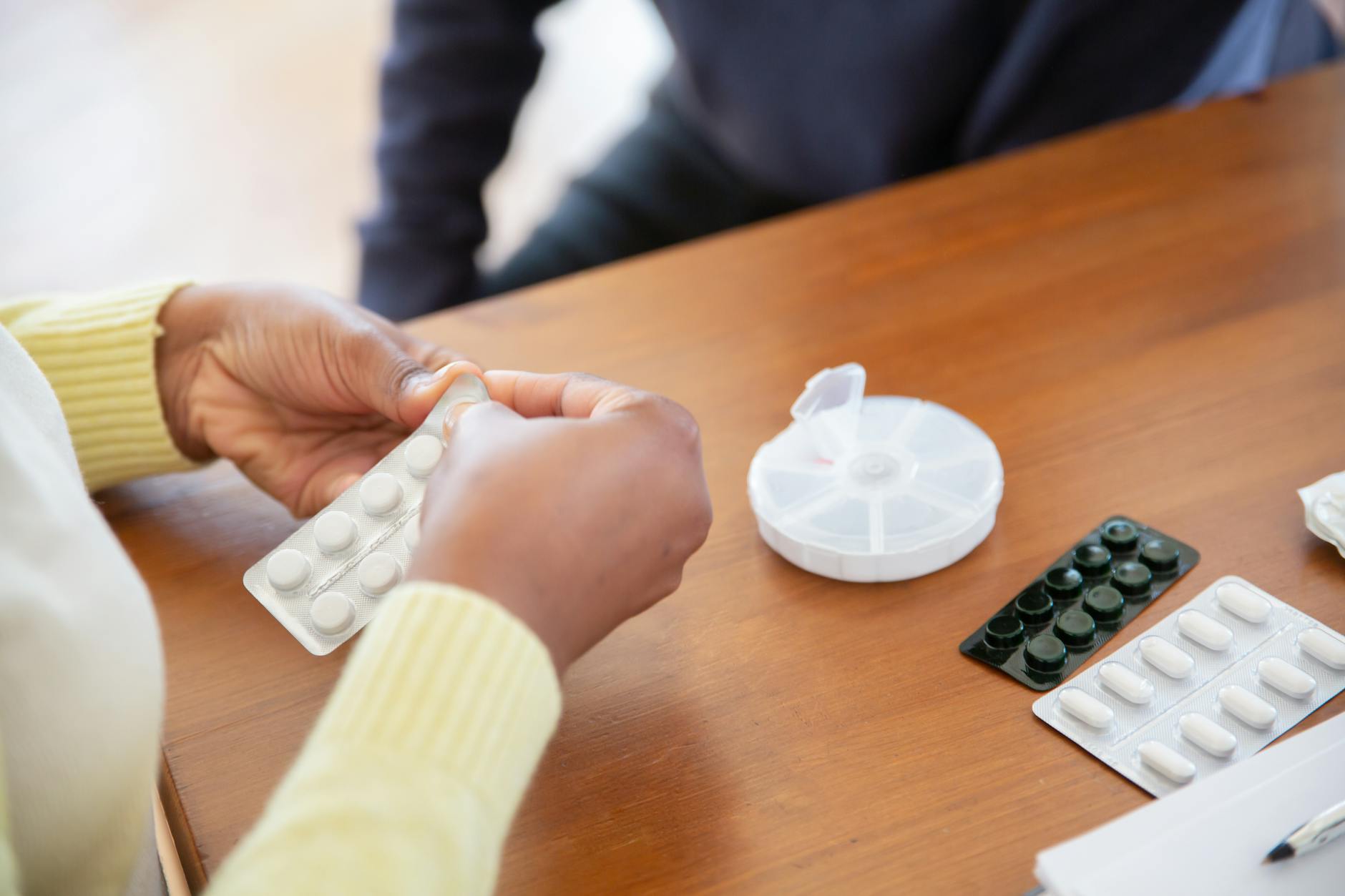
Weighted utensils and adaptive cups address tremor-related spill and burn risks. Medication management systems””from simple pill organizers to electronic dispensers with alarms””prevent dosing errors. The tradeoff with any assistive device involves balancing safety gains against potential stigma and the risk of learned dependence reducing inherent capability. Physical therapy and exercise programs specifically designed for Parkinson’s demonstrate the strongest evidence for fall prevention””stronger even than home modifications alone. Programs emphasizing balance training, strength building, and gait practice can reduce fall frequency by 40 to 60 percent in some studies. Tai chi has shown particular promise, with randomized trials demonstrating fewer falls and better balance outcomes than resistance training or stretching programs. The limitation is access: specialized Parkinson’s exercise programs aren’t available everywhere, and general fitness programs may not address the specific motor patterns involved.
When Medications Become Part of the Problem
The same medications that control Parkinson’s motor symptoms can paradoxically increase certain injury risks, creating a clinical dilemma with no perfect solution. Dopaminergic drugs””the mainstay of Parkinson’s treatment””commonly cause orthostatic hypotension, drowsiness, and in some cases visual hallucinations. Each of these side effects creates distinct injury pathways: falls from blood pressure drops, accidents from reduced alertness, and potentially dangerous reactions to hallucinatory experiences. The “on-off” phenomenon presents particular challenges for injury prevention. As Parkinson’s advances, medication effects become less smooth and predictable.
Patients may shift abruptly from reasonable mobility during “on” periods to near-immobility during “off” periods, sometimes multiple times daily. Planning activities for peak medication effectiveness helps, but the unpredictability increases over time. Some patients experience dyskinesias””involuntary writhing movements””during peak medication levels, which introduce their own injury risks through uncontrolled movement. A crucial warning for patients and caregivers: sudden withdrawal from Parkinson’s medications can trigger neuroleptic malignant-like syndrome, a potentially fatal condition involving high fever, severe rigidity, and altered consciousness. This means that even if medications seem to be causing problems, they should never be stopped abruptly without medical supervision. Hospital admissions for other conditions pose risk when non-specialist staff may not understand the critical importance of maintaining Parkinson’s medication schedules precisely.
The Impact of Injuries on Disease Progression
Injuries in Parkinson’s disease don’t simply heal and resolve””they frequently trigger accelerated decline that extends far beyond the original trauma. Hospitalization following a fall-related injury often leads to deconditioning, medication disruption, and hospital-acquired complications. Studies tracking Parkinson’s patients after hip fracture found that roughly 30 percent who were independently ambulatory before the fracture never regained independent walking ability, compared to about 15 percent in non-Parkinson’s hip fracture patients. The psychological aftermath of falls creates its own destructive cycle.
Post-fall anxiety syndrome affects the majority of Parkinson’s patients who experience a significant fall. Fear of falling leads to activity restriction, which accelerates muscle weakness, bone loss, and social isolation. This deconditioning then increases actual fall risk, creating a self-fulfilling prophecy. One longitudinal study found that fear of falling predicted future falls more strongly than history of previous falls, highlighting the importance of addressing psychological recovery alongside physical rehabilitation.
Future Directions in Injury Prevention
Emerging technologies offer promising new approaches to Parkinson’s injury prevention, though accessibility and cost remain significant barriers. Wearable sensors can now detect gait changes that predict imminent falls, potentially alerting patients or caregivers before a fall occurs. Some devices use cueing systems””rhythmic auditory or visual signals””that help override freezing episodes and normalize gait patterns.
Clinical trials of these technologies show meaningful reductions in fall frequency for some patients. Deep brain stimulation, while primarily used for motor symptom control, may offer injury prevention benefits beyond its effects on tremor and rigidity. Research suggests that DBS can improve postural stability and reduce fall frequency in appropriately selected patients, though it’s not effective for all and carries its own surgical risks. As understanding of Parkinson’s pathophysiology advances, new targets for both pharmacological and surgical intervention may specifically address the fall-prone aspects of the disease that current treatments miss.
Conclusion
Parkinson’s disease creates a perfect storm of injury vulnerability””motor impairments that prevent normal protective responses, cognitive changes that compromise hazard recognition, and medications that can worsen blood pressure stability and alertness. The resulting falls, burns, choking episodes, and medication errors carry consequences far beyond immediate trauma, often triggering irreversible declines in function and independence. Understanding these interconnected risks is the essential first step toward prevention.
Effective injury prevention requires active collaboration between patients, caregivers, and medical teams to address environmental hazards, optimize medication timing, maintain physical conditioning, and monitor cognitive changes. No single intervention eliminates risk, but layered strategies””home modification, assistive devices, exercise programs, and careful medication management””can substantially reduce injury frequency and severity. For families navigating Parkinson’s care, prioritizing safety assessment and fall prevention may ultimately preserve independence and quality of life more effectively than almost any other intervention.