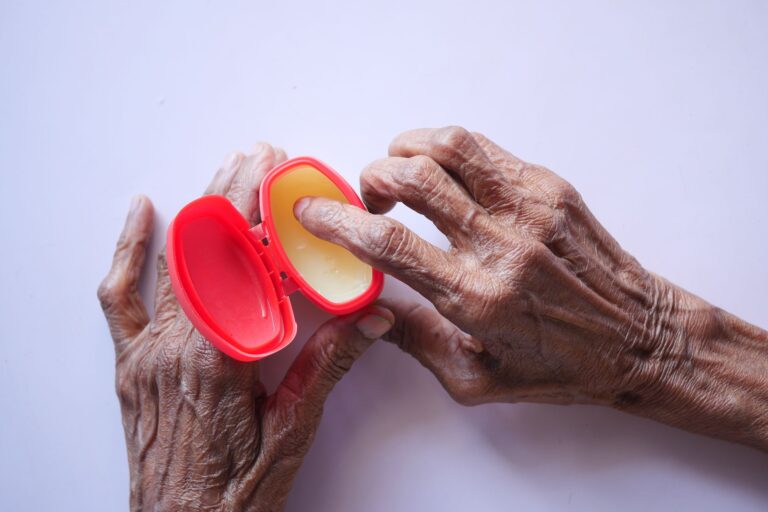
Pain doesn’t announce itself the same way in dementia. When the brain is damaged by neurodegeneration, a person loses the ability to say “I hurt” in the way they once could. Instead, that pain comes out sideways—as pacing, aggression, combativeness, or emotional outbursts that caregivers and medical staff often mistake for behavioral problems or the disease itself.
The agitation is the pain’s voice when the person with dementia can no longer use words. This mismatch between what’s happening inside the body and what’s visible to observers creates a dangerous gap in care. A person with a fractured hip, a urinary tract infection, or severe constipation might spend weeks in a medication fog, prescribed sedatives or antipsychotics for “behavior,” when the actual problem is untreated pain that just needed an X-ray, a urinalysis, or an honest physical exam. The tragedy is that this is one of the most preventable causes of suffering in dementia care—if anyone thinks to look for it.
Table of Contents
- Why Does Dementia Damage Pain Communication?
- What Does Pain-Related Agitation Actually Look Like?
- The Neurology Behind Pain and Behavioral Changes
- How to Tell If Agitation Stems from Pain
- Common Misdiagnosis and Missed Pain
- Conditions That Often Hide As Behavioral Issues
- What Works When Pain Is the Culprit
Why Does Dementia Damage Pain Communication?
The brain regions responsible for recognizing pain, understanding its source, and reporting it don’t fail all at once. But in moderate to advanced dementia, the connections between the areas that detect a painful stimulus and the areas that translate that into language break down first. A person might wince when you touch an infected wound, but lack the cognitive pathway to form the thought “this is pain” and the language to say it aloud.
What comes out instead is the emotional response—fear, anger, or agitation—unmoored from any context the caregiver can understand. Additionally, dementia affects the brain’s ability to filter and prioritize sensations. Pain that might normally stay in the background of a healthy person’s attention can become overwhelming and consuming for someone with dementia, because their brain lacks the executive function to redirect focus. This amplification, combined with the inability to explain what’s wrong, often looks indistinguishable from anxiety, aggression, or simple “sundowning.” Many caregivers don’t recognize it as pain because the person isn’t saying the word “pain.”.
What Does Pain-Related Agitation Actually Look Like?
Pain-driven behavior in dementia takes many forms, and they’re almost never labeled or recognized as pain. One person might become verbally aggressive—yelling, cursing, or directing anger at a specific caregiver. Another might pace continuously, unable to settle, appearing restless and desperate. A third might reject care, become combative during personal hygiene, or refuse to move from one position, because movement triggers pain they can’t name.
Some people pull at their clothing, scratch repeatedly at one spot, or try to remove a catheter or bandage—a clue that something specific is bothering them physically. One red flag is behavior that’s *localized* or *repetitive*: a person who always becomes agitated during toileting might have pain related to bowel or bladder issues; someone who resists being moved from bed might have joint, hip, or back pain. Another pattern is what’s called “pseudo-sundowning”—agitation that gets worse in the evening—which can actually reflect accumulated pain from the day that the person has been unable to escape or communicate. The limitation here is that families and staff can mistake these patterns for behavioral decline or the “natural progression” of dementia, when really they’re a sign that an acute medical problem has emerged on top of the underlying disease.
The Neurology Behind Pain and Behavioral Changes
When a person without dementia experiences pain, multiple brain systems activate: the sensory cortex registers the location and intensity, the emotional regions process the distress, and the prefrontal cortex adds context and memory. In dementia, especially in the middle and later stages, that top-down processing is compromised. The physical sensation of pain still registers—the pain-detection systems in the spinal cord and brainstem still work—but the interpretive layer is damaged or missing. This means the raw, primitive experience of pain can produce a raw, primitive response: rage, terror, or shutdown.
Without the ability to think “I have a toothache” or “my knee hurts,” the person experiences only the feeling and acts on impulse. The brain can’t generate the reassuring thought that pain is temporary and localized. Instead, it feels like a crisis. Neuroimaging studies suggest that dementia also affects how the brain processes the emotional weight of pain—so mild-to-moderate pain in a healthy person might feel severe to someone with dementia, because their brain’s ability to modulate emotional response is impaired.
How to Tell If Agitation Stems from Pain
The first step is to *assume* that new or worsening agitation has a physical cause until proven otherwise. This means conducting a systematic pain assessment before jumping to psychiatric medication. One approach is to observe whether the agitation is *consistent* (appears the same way, at the same times, in the same situations) or *variable* (changes day to day, or tied to specific triggers). Pain-driven behavior tends to be more consistent and tied to movement, care, or activity. A thorough physical exam is essential: check for obvious signs of injury, infection, or distress.
Press gently on joints, the abdomen, and the lower back. Look for rashes, sores, ingrown toenails, or signs of infection. Ask about recent falls, constipation patterns, or changes in urination. Order basic labs if warranted—a urinalysis to rule out UTI, a blood count for infection, an X-ray if fracture is possible. The challenge is that many caregivers in understaffed settings don’t have time to perform these checks, and many physicians see an agitated patient with dementia and assume the agitation *is* the problem, rather than a symptom.
Common Misdiagnosis and Missed Pain
Pharmaceutical overtreatment is the dark side of this gap. When agitation is assumed to be behavioral or psychiatric, the response is often to prescribe sedatives, antipsychotics, or tranquilizers. These medications can reduce agitation—because they sedate the person, not because they address pain—and they often make things worse. Sedation masks pain rather than treating it, and it increases the risk of falls, infections, and decline. A person medicated into a calm, drowsy state because no one looked for the underlying pain is still in pain; they’ve just been silenced and slowed down.
Another common error is attributing pain behavior to dementia “personality changes” or the disease progressing. Families are sometimes told, “This is just how your mother is now,” when really this is how someone in pain behaves. The warning here is that agitation in dementia is not a signal to medicate; it’s a signal to investigate. If you see a clear change in behavior—a person who was calm becoming aggressive, or who was cooperative now refusing care—that’s new information, and it deserves a workup. Assuming it’s the disease can delay treatment of a treatable condition.
Conditions That Often Hide As Behavioral Issues
Certain painful conditions are especially common in older adults and especially likely to be missed in dementia. A urinary tract infection is perhaps the most frequent culprit: it can cause agitation, confusion, and behavioral changes while producing no classic symptoms like dysuria because the person can’t report pain or burning. A person with a UTI might simply become hostile or distant, and without urinalysis, the infection goes untreated for weeks. Dental disease is another silent driver of agitation.
A cracked tooth, an abscess, or periodontal disease can cause deep, persistent pain that a person with dementia cannot express. Because the person can’t point to their mouth or say “toothache,” they instead reject food, become withdrawn, or lash out when anyone gets near their face. Constipation, which is extremely common in older adults on medications, causes abdominal and rectal pain that can manifest as severe agitation. One person might frantically try to get to the bathroom, another might become rigid and resistant to any movement.
What Works When Pain Is the Culprit
Once pain is identified and treated, the behavioral change is often dramatic and rapid. An agitated person with a urinary tract infection who receives antibiotics may become visibly calmer within 24 to 48 hours. Someone in pain from a fractured arm who receives a proper sling and analgesics may stop resisting care. This response—behavioral improvement following pain treatment—is actually diagnostic. It tells you that the agitation was pain-driven all along.
The approach to pain management in dementia often requires a combination: non-pharmacological strategies like ice, heat, positioning changes, and gentle movement; over-the-counter or prescription analgesics; and addressing any underlying condition. For some people, topical pain relievers work well because they bypass the digestive system and produce fewer drug interactions. For others, short-term use of low-dose opioids, carefully monitored, is appropriate and humane. The concrete fact is that untreated pain in dementia is not inevitable or necessary. The barrier is usually not medicine; it’s recognition.
- —