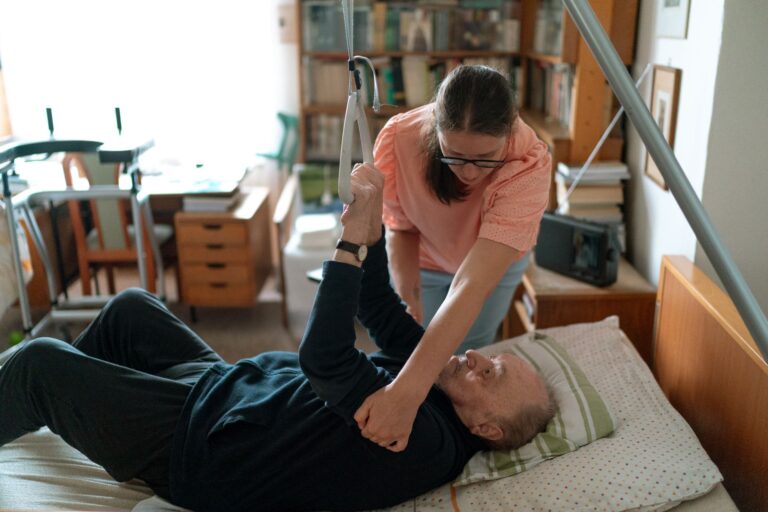
One wrong sits at the center of this dementia and brain health question.
Ending friendships can be a difficult and sensitive topic, but sometimes it’s the smallest things that can lead to the end of a relationship. One wrong word, whether it’s a mispronounced name, a misunderstood joke, or a careless comment, can create a rift that’s hard to mend. This might seem trivial, but words have power, and their impact can be profound.
Imagine being in a situation where you’re consistently getting someone’s name wrong. It might seem like a small mistake, but it can make the other person feel like they’re not important enough to remember correctly. This can lead to feelings of disrespect and neglect, which can slowly erode the foundation of a friendship.
Another scenario is when a friend talks about you behind your back. This betrayal of trust can be particularly painful because it involves a breach of confidentiality and loyalty. Discovering that someone you considered a friend has been sharing your secrets or speaking negatively about you can make you question the entire relationship.
Exclusion is another factor that can lead to the end of a friendship. If you consistently find out about social gatherings or events after they’ve happened, it can make you feel like an afterthought rather than a priority in your friend’s life. This feeling of being left out can create resentment and make you wonder if the friendship is truly valued.
In some cases, friendships can become awkward or uncomfortable due to certain behaviors. For instance, there might be friends who always need to be part of a group or team to interact comfortably. They might build a dynamic where they criticize others together, creating a fragile bond that can be easily broken if you disagree or defend someone else. This kind of interaction can feel forced and may lead to feelings of discomfort or even panic.
Ultimately, the end of a friendship often results from a combination of these small issues that accumulate over time. It’s not always about grand gestures or dramatic events; sometimes, it’s the accumulation of small misunderstandings and miscommunications that can lead to a friendship’s demise. Recognizing these signs and addressing them early on can help prevent unnecessary hurt and confusion. However, if a friendship is truly unhealthy or toxic, it might be necessary to take a step back and prioritize your own well-being.
For more, see Alzheimer’s Association — clinical trials.