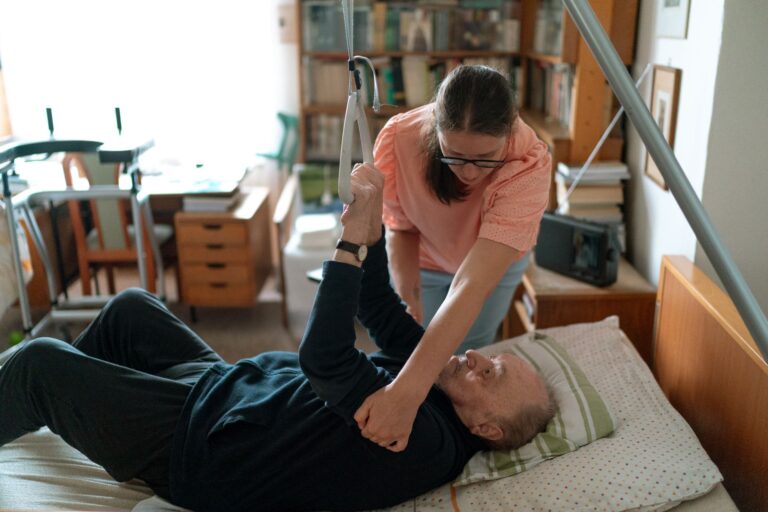
Moving fast sits at the center of this dementia and brain health question.
The phrase “Move fast and break things” became famous as a rallying cry for innovation, especially in tech startups. It encourages taking bold risks quickly, even if it means causing some disruption or mistakes along the way. The idea is that if you’re not breaking anything, you’re probably not pushing hard enough to create something new or better. But while this mindset can spark rapid progress, it also has serious downsides when applied to human systems and society.
Moving fast often means prioritizing speed over careful planning or consideration of consequences. In technology development, this might mean launching products before they are fully tested or secure. For example, some startups develop directly on live production databases without safety nets like staging environments—this can lead to catastrophic failures when small errors cascade into big problems affecting users’ data and trust.
When human elements are involved—like privacy, security, fairness—the “break things” approach can cause real harm. Social media platforms that moved fast to innovate sometimes overlooked how their designs could be exploited for misinformation or privacy violations. The rush to build new features without fully understanding social impacts led to widespread issues that took years to address.
In infrastructure projects too, moving fast without thorough assessment risks damaging communities or ecosystems rather than building sustainable improvements. Decisions made in haste may ignore important voices and long-term effects just for the sake of quick results.
The core problem is that humans and societies are complex systems with many interconnected parts—relationships, trust networks, ethical norms—that don’t respond well to reckless disruption. Breaking these “human things” isn’t like breaking a piece of software code; it can erode social fabric in ways that take much longer and more effort to repair.
That’s why there’s growing recognition of the need for balance: moving with urgency but also care; innovating rapidly but responsibly; learning from failures without causing irreversible damage. Some advocate shifting from “move fast and break things” toward “move fast and make things,” emphasizing creation alongside caution.
Ultimately, moving too quickly at the expense of human considerations risks undermining what makes innovation meaningful: improving lives sustainably rather than just chasing speed alone. The challenge is finding ways to harness velocity while respecting complexity—a task requiring humility as much as ambition in today’s interconnected world.
For more, see Alzheimer’s Association — clinical trials.