Reviewed by the Help Dementia Editorial Team — our editors review every article for accuracy against guidance from the National Institute on Aging, the Alzheimer’s Association, and peer-reviewed sources.
Modern medicine sits at the center of this dementia and brain health question.
Modern medicine is fundamentally reshaping how we approach neurological disease management through three transformative shifts: a dramatically expanded pipeline of disease-modifying medications, the integration of artificial intelligence and continuous monitoring technologies into clinical practice, and the ability to identify disease at earlier stages before irreversible damage occurs. Rather than managing symptoms alone, physicians can now intervene at the disease’s root—blocking amyloid accumulation in Alzheimer’s disease, targeting toxic protein oligomers in Parkinson’s, and restoring missing neurotransmitter signals in rare conditions like narcolepsy. This article explores the major breakthroughs reshaping neurological care, from the new Alzheimer’s therapies reaching patients this year to the sensor technologies now detecting seizures minutes before they happen, and examines how these advances are changing what’s possible for patients and caregivers facing neurological disease. The scale of this transformation cannot be overstated.
Neurological conditions now affect one in three people globally, making them the world’s leading cause of disability affecting over 3 billion lives. Since 1990, the health burden from these conditions has increased by 18 percent, with the greatest impact in low- and middle-income countries where access to advanced treatments remains limited. This growing crisis has spurred unprecedented investment: at least 25 new drug candidates funded by the NIH have advanced to human trials in 2025 alone, with 18 in early-stage trials and 7 in mid-to-late stage trials. For the first time, many neurological conditions are moving from the category of “no disease-modifying options” to “multiple therapeutic choices.”.
Table of Contents
- Why Neurological Disease Demands New Medical Approaches
- The New Drug Pipeline—From Concept to Clinic
- Disease-Specific Breakthroughs Across the Neurological Spectrum
- Integrating Technology Into Neurological Care
- Early Detection and the Biomarker Revolution
- Stroke Prevention and the Expanding Toolkit for Acute Intervention
- The Future of Neurological Medicine and Remaining Challenges
- Conclusion
Why Neurological Disease Demands New Medical Approaches
For decades, neurology was largely a field of symptomatic management. Patients with Parkinson’s disease took medication to temporarily improve movement, but the underlying neurodegeneration continued. Alzheimer’s patients received treatments to boost memory temporarily while plaques and tangles accumulated in their brains unchecked. Stroke survivors underwent rehabilitation knowing prevention options were limited. The fundamental limitation was that neurologists lacked the tools to stop or slow the diseases at their source—they could only ease the burden of advancing illness. This dynamic has inverted. modern medicine now understands the specific molecular culprits driving many neurological diseases: the amyloid-beta and tau proteins that accumulate in Alzheimer’s, the misfolded alpha-synuclein spreading through Parkinson’s brains, the autoimmune attacks in multiple sclerosis.
Armed with this knowledge, pharmaceutical companies have designed medications to target these specific problems rather than just treating downstream symptoms. However, this precision comes with a critical limitation: these disease-modifying therapies work best when given early, before widespread neuronal damage has occurred. This has made early detection through blood biomarkers and advanced imaging increasingly central to neurological practice. The shift also reflects a broader recognition that neurological disease is not uniform. Patients with the same clinical diagnosis often have different underlying biology, which means they respond differently to treatment. This has opened space for precision medicine approaches in neurology—selecting specific therapies based on individual biomarker profiles rather than diagnosis alone. While this personalization offers hope, it also means patients may need genetic testing, advanced imaging, or biomarker panels before starting treatment, a reality that increases costs and access challenges in many healthcare systems.

The New Drug Pipeline—From Concept to Clinic
The Alzheimer’s disease pipeline exemplifies the transformation underway. Lecanemab, marketed as Leqembi, received FDA approval for a subcutaneous autoinjector formulation in 2025, offering patients a new delivery method for a monoclonal antibody that removes amyloid plaques from the brain. Rather than monthly infusions, patients can now self-inject weekly, improving convenience and potentially adherence. The drug demonstrated modest but consistent benefits in early-stage Alzheimer’s and mild cognitive impairment—slowing cognitive decline by approximately 35 percent over 18 months. It is not a cure and does not reverse existing damage, but it represents the first disease-modifying treatment that has shown consistent clinical benefit. Beyond lecanemab, several next-generation therapies are moving through trials with encouraging early data. The POLARIS-AD trial is currently assessing AR1001 (mirodenafil), an oral medication that targets amyloid-beta oligomers—the cluster-like forms of the protein thought to be more toxic than amyloid plaques. Topline results are expected in 2026.
Simultaneously, blarcamesine is in Phase 2/3 trials with a novel mechanism: it activates the sigma-1 receptor to enhance the cell’s natural “garbage removal” system, helping neurons clear toxic proteins more efficiently. An important caveat: the closer a medication targets specific underlying pathology, the more precisely patients must be selected. A drug designed to clear amyloid may benefit someone whose cognitive decline is driven by amyloid accumulation but do little for someone whose primary pathology is tau tangles or neuroinflammation—highlighting why biomarker testing is becoming essential. The speed of drug development has also accelerated. Historically, a drug might take 10-15 years from discovery to FDA approval. Today, breakthrough designations, accelerated approval pathways, and adaptive trial designs are compressing timelines. The tradeoff is complexity: patients and physicians now face more options faster, but also more information to interpret. Some therapies are approved on surrogate endpoints (biomarker improvement) rather than clinical outcomes, which creates uncertainty about how much patients will actually benefit.
Disease-Specific Breakthroughs Across the Neurological Spectrum
Parkinson’s disease research has made remarkable strides in recent years. The ELEVATE-PD trial of IPX203, an investigational formulation of levodopa and carbidopa, showed that the first 55 patients treated achieved increases in daily “good ON time” (periods when medication controls symptoms) while experiencing reductions in “OFF time” (periods when symptoms return). Motor symptom control also improved compared to standard treatment. In parallel, an alpha-synuclein antibody—a monoclonal antibody targeting the misfolded protein that accumulates in Parkinson’s—demonstrated efficacy in slowing motor decline in early-stage disease. These approaches represent a fundamental shift from symptom management toward disease modification, though neither treatment has yet demonstrated the ability to reverse existing neurological damage. Multiple sclerosis treatment has similarly advanced. Bruton’s tyrosine kinase (BTK) inhibitors are emerging as a promising new class, with fenebrutinib trials estimated to complete in early 2026 and remibrutinib actively recruiting patients.
These drugs work by targeting specific immune cells driving the attack on the nervous system’s myelin insulation. The advantage over older therapies is a potentially better safety profile with fewer serious infections, though data from head-to-head comparisons are still limited. Some patients will benefit substantially; others will experience minimal improvement, making the identification of responders before treatment begins an active area of research. Rarer conditions are also being transformed. Narcolepsy patients have long struggled with the sudden loss of muscle tone (cataplexy) and uncontrollable sleep attacks caused by the loss of orexin-producing neurons. Oveporexton (TAK-861), the first-in-class oral orexin receptor 2-selective agonist, reported landmark Phase III results at the World Sleep Congress 2025, directly targeting the underlying biological deficit rather than just managing symptoms. For patients with myasthenia gravis, anti-FcRN and anti-C5 antibodies have confirmed long-term efficacy in trials, offering alternatives to older immunosuppressive treatments with their significant side effects. Each represents a therapeutic principle now common in modern neurology: find the broken biological mechanism and fix it directly.

Integrating Technology Into Neurological Care
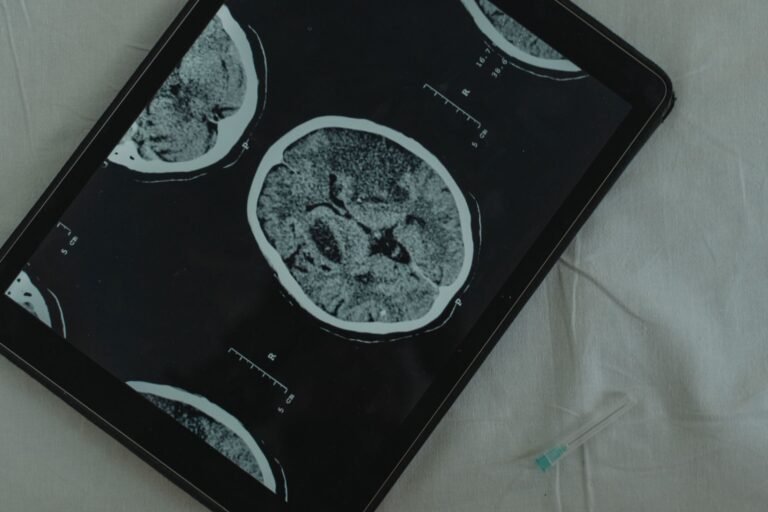
Beyond medications, technology is reshaping how neurologists diagnose and monitor neurological disease. Artificial intelligence now routinely analyzes complex neuroimaging—MRI and CT scans—to identify subtle changes that might indicate early Alzheimer’s disease, stroke evolution, or tumor progression. Algorithms trained on hundreds of thousands of scans can detect patterns of brain atrophy or white matter disease that might be missed on visual inspection, enabling earlier diagnosis and intervention. However, AI analysis is not infallible; a radiologist must still review results to exclude artifacts or unusual findings the algorithm may misclassify, and the technology works best in well-resourced healthcare systems with quality imaging equipment. Remote patient monitoring has matured from a research concept to practical clinical tool. Non-invasive sensors worn on the body or at home can now provide continuous, real-time data about patient conditions: heart rhythm in cardiac patients, movement patterns in Parkinson’s disease, sleep quality in narcolepsy.
This granular information allows physicians to detect disease progression or medication side effects that might not be apparent during quarterly office visits. Patients benefit from reduced clinic visits while potentially improving medication management. The limitation is that home monitoring generates enormous amounts of data, and systems to meaningfully analyze and act on this information are still evolving. Seizure forecasting represents one of the most dramatic examples of technology integration. Advanced sensors, some designed to fit in an earpiece worn continuously, can now alert patients minutes before a seizure is likely to occur, providing time to move to safety or alert a caregiver. This does not prevent the seizure but substantially reduces injury risk and improves quality of life for people with epilepsy who live with constant unpredictability. These devices highlight how technology is not replacing clinical judgment but augmenting human capability—the sensor cannot prevent seizures, but it can provide information patients and providers previously lacked entirely.
Early Detection and the Biomarker Revolution
The discovery of blood biomarkers that identify Alzheimer’s disease pathology years or decades before symptoms appear has fundamentally changed the calculus of neurological disease management. Phosphorylated tau (p-tau), phosphorylated tau variants, and plasma phospho-tau ratios now allow neurologists to identify patients accumulating amyloid and tau in their brains before they experience cognitive symptoms. This creates an opportunity for disease-modifying treatment to slow decline before memory loss becomes apparent—a principle demonstrated in recent clinical trials but not yet part of standard practice in most healthcare systems. The implications are profound but also ethically complex. Identifying cognitive disease before symptoms is valuable only if effective treatments exist and their benefits outweigh side effects and costs. Lecanemab showed modest slowing of cognitive decline in early-stage disease, but its effects are not dramatic, and the therapy carries a real, though small, risk of amyloid-related imaging abnormalities (ARIA)—brain microhemorrhages or microinfarcts that can sometimes cause symptoms.
For this reason, not every person found to have amyloid pathology should necessarily receive amyloid-targeting therapy. The decision requires shared decision-making between patients and physicians, balancing individual risk tolerance, disease progression rates, and life expectancy. The expansion of blood biomarker testing has also created practical challenges. Previously, suspected Alzheimer’s disease required a specialist visit, expensive PET or amyloid PET imaging, or lumbar puncture to measure cerebrospinal fluid markers. Now, a primary care physician can order a blood test costing under $300 that screens for Alzheimer’s pathology. This democratization of testing is valuable for access but may lead to overdiagnosis of pathology in asymptomatic individuals who will never develop dementia, creating unnecessary anxiety and potentially inappropriate treatment.

Stroke Prevention and the Expanding Toolkit for Acute Intervention
Stroke management exemplifies how modern medicine reshapes approach by attacking multiple points in disease progression. The OCEANIC-STROKE trial of asundexian, a novel FXIa inhibitor for secondary stroke prevention, met both primary efficacy and safety endpoints, offering a new option for patients who have already suffered one stroke and face high recurrence risk. Unlike warfarin, which requires careful monitoring and carries bleeding risks, asundexian targets a specific point in the coagulation cascade.
This precision reduces bleeding complications in some patient populations while maintaining stroke prevention efficacy. Simultaneously, research has confirmed that late thrombolysis—the use of clot-dissolving medications in patients with radiological mismatch (imaging showing less brain damage than clinical symptoms suggest)—can be effective even when given hours after symptom onset, expanding the window for intervention beyond the traditional 4.5-hour threshold. These advances mean that stroke management is increasingly personalized: physicians use imaging, biomarkers, and individual patient factors to determine which interventions offer the best risk-benefit profile rather than applying a one-size-fits-all protocol.
The Future of Neurological Medicine and Remaining Challenges
The trajectory is clear: neurology is moving toward earlier intervention, greater precision, and better integration of technology into clinical decision-making. By 2026 and beyond, the landscape will include even more disease-modifying options, expanded biomarker panels allowing patient stratification, and home monitoring systems that continuously track disease progression. Patients will increasingly have choices about which disease-modifying therapy to pursue, guided by their individual biomarker profile, disease stage, and risk tolerance. However, major challenges remain.
Most of these advances—new medications, biomarker testing, advanced neuroimaging, continuous monitoring—are expensive and concentrated in high-income countries. The gap between what is possible in a major neurological center and what is accessible in rural or under-resourced settings is widening rather than narrowing. Furthermore, while many conditions are moving from “no treatment” to “some treatment,” none of the current medications represent cures or can reliably reverse existing neurological damage. Modern medicine reshapes approaches by intervening earlier and more precisely, but the foundation of prevention—controlling vascular risk factors, cognitive engagement, physical activity, sleep quality—remains essential and irreplaceable.
Conclusion
Modern medicine reshapes neurological disease management through earlier detection, disease-modifying medications, and integrated technology, moving from a purely symptomatic approach to one that targets underlying pathology before irreversible damage accumulates. With at least 25 new drug candidates in human trials, Alzheimer’s and Parkinson’s therapies reaching patients, and seizure forecasting technology becoming practical reality, the field has entered an era where neurological disease is increasingly preventable or treatable rather than inevitable and progressive.
The next phase of neurological care will be translating these advances into practice equitably and helping patients navigate expanding therapeutic options through shared decision-making. If you or a family member faces a neurological diagnosis, the time to ask about emerging therapies, biomarker testing, and disease-modifying options is now—not because every patient needs every new treatment, but because the conversation has fundamentally shifted. What was once purely symptom management can now include disease modification, and earlier intervention has become the foundation of modern neurological care.
You Might Also Like
- How Modern Medicine Reshapes Approaches to Neurological Disease Management
- Federal Court Imposes Substantial Penalties; Scientific Community Advances Humane Approaches
- Why Rigid Conservatorship Laws Require Comprehensive Legal Restructuring Today
For more, see NIH MedlinePlus — cognitive testing.