
Reviewed by the Help Dementia Editorial Team — our editors review every article for accuracy against guidance from the National Institute on Aging, the Alzheimer’s Association, and peer-reviewed sources.
Medical device innovation is fundamentally changing how doctors identify dementia in its earliest stages, moving beyond traditional pen-and-paper cognitive tests to objective, measurable biomarkers that can catch disease years before symptoms become obvious. Rather than relying solely on patient interviews and neuropsychological assessments, neurologists and primary care physicians now have access to wearable sensors, advanced imaging devices, and diagnostic tools that measure brain changes with unprecedented precision. This shift represents a significant advance in dementia care because early detection, when interventions are most effective, has historically been elusive—most patients don’t receive a diagnosis until cognitive decline is already noticeable to family and colleagues.
The most tangible example of this change is the FDA approval of tau PET imaging and blood biomarker tests like phosphorylated tau (p-tau) and amyloid-beta measurements, which can now identify Alzheimer’s pathology in living brains before memory loss occurs. A person at risk for Alzheimer’s can now have a simple blood test rather than undergo an invasive lumbar puncture, making screening accessible to far more patients. These innovations aren’t just incremental improvements—they’re reframing what dementia screening looks like and who can access it.
Table of Contents
- What Types of Medical Devices Are Transforming Dementia Screening?
- How Are Blood Biomarkers Changing the Dementia Diagnosis Landscape?
- What Role Do Advanced Imaging Devices Play in Modern Dementia Screening?
- How Can Primary Care Doctors Implement Device-Based Screening?
- What Are the Limitations and Risks of Relying on Device Innovation?
- How Are Wearable Devices Contributing to Dementia Screening?
- What Does the Future of Device-Based Dementia Screening Look Like?
- Conclusion
- Frequently Asked Questions
What Types of Medical Devices Are Transforming Dementia Screening?
The landscape of dementia screening devices has expanded dramatically over the past five years. Blood-based biomarker tests have become the most practical breakthrough, with companies like C2N Diagnostics, Eli Lilly, and others offering tests that measure amyloid-beta 42, phosphorylated tau variants, and neurofilament light chain in a standard blood draw. These tests can now be completed in most primary care offices or routine lab settings, eliminating the need for specialized neuroimaging facilities. Meanwhile, advanced PET and MRI imaging devices have become more sophisticated, allowing radiologists to visualize brain atrophy, tau tangles, and amyloid plaques with greater clarity than ever before.
Wearable technology has also entered the dementia screening space, with research-stage devices measuring gait changes, sleep disruption, and cognitive processing speed through smartwatch-like sensors. While most wearables remain in clinical research settings, early evidence suggests that subtle movement and sleep pattern changes can precede formal cognitive decline by months or years. For example, a person showing irregular sleep architecture on a wearable device might benefit from earlier specialist referral and preventive interventions, even if standard cognitive tests still appear normal. The practical advantage of this device diversity is that screening can be tiered: a primary care doctor might start with a blood biomarker test (fast, inexpensive, accessible), reserve advanced imaging for cases where results are ambiguous or risk is high, and use wearables for ongoing monitoring in high-risk populations. However, the limitation is accessibility—not all devices are widely available, many are not yet covered by insurance, and rural areas often lack access to advanced imaging centers.

How Are Blood Biomarkers Changing the Dementia Diagnosis Landscape?
Blood biomarkers represent perhaps the most significant practical shift in dementia screening because they democratize access to objective testing. Traditional diagnosis required either referral to a specialized memory clinic with neuropsychological testing or advanced imaging like PET scans—both expensive, time-consuming, and unavailable in many areas. A simple blood draw can now detect Alzheimer’s pathology years before symptoms appear, fundamentally changing the timeline of diagnosis. The most validated biomarkers include phosphorylated tau (p-tau181 and p-tau217), which are highly specific for Alzheimer’s pathology, and phosphorylated tau/amyloid-beta ratios, which can distinguish Alzheimer’s from other dementias. Research published in major journals has shown that p-tau variants can predict cognitive decline in cognitively normal individuals, meaning a person with no memory complaints but abnormal p-tau levels may benefit from earlier intervention.
For instance, a 55-year-old with a family history of Alzheimer’s can now get a blood test that reveals whether brain pathology is already developing, years before an MRI would show changes. The critical limitation here is interpretation and follow-up. An abnormal blood biomarker doesn’t guarantee someone will develop dementia—some people with pathological markers remain cognitively normal for decades. Additionally, not all primary care doctors yet understand how to order these tests, interpret results, or counsel patients appropriately. There’s also a risk of overdiagnosis and unnecessary anxiety when someone learns they have early pathology but no current symptoms, without clear guidance on whether preventive medications or lifestyle changes will help. Insurance coverage remains inconsistent, meaning cost remains a barrier for many.
What Role Do Advanced Imaging Devices Play in Modern Dementia Screening?
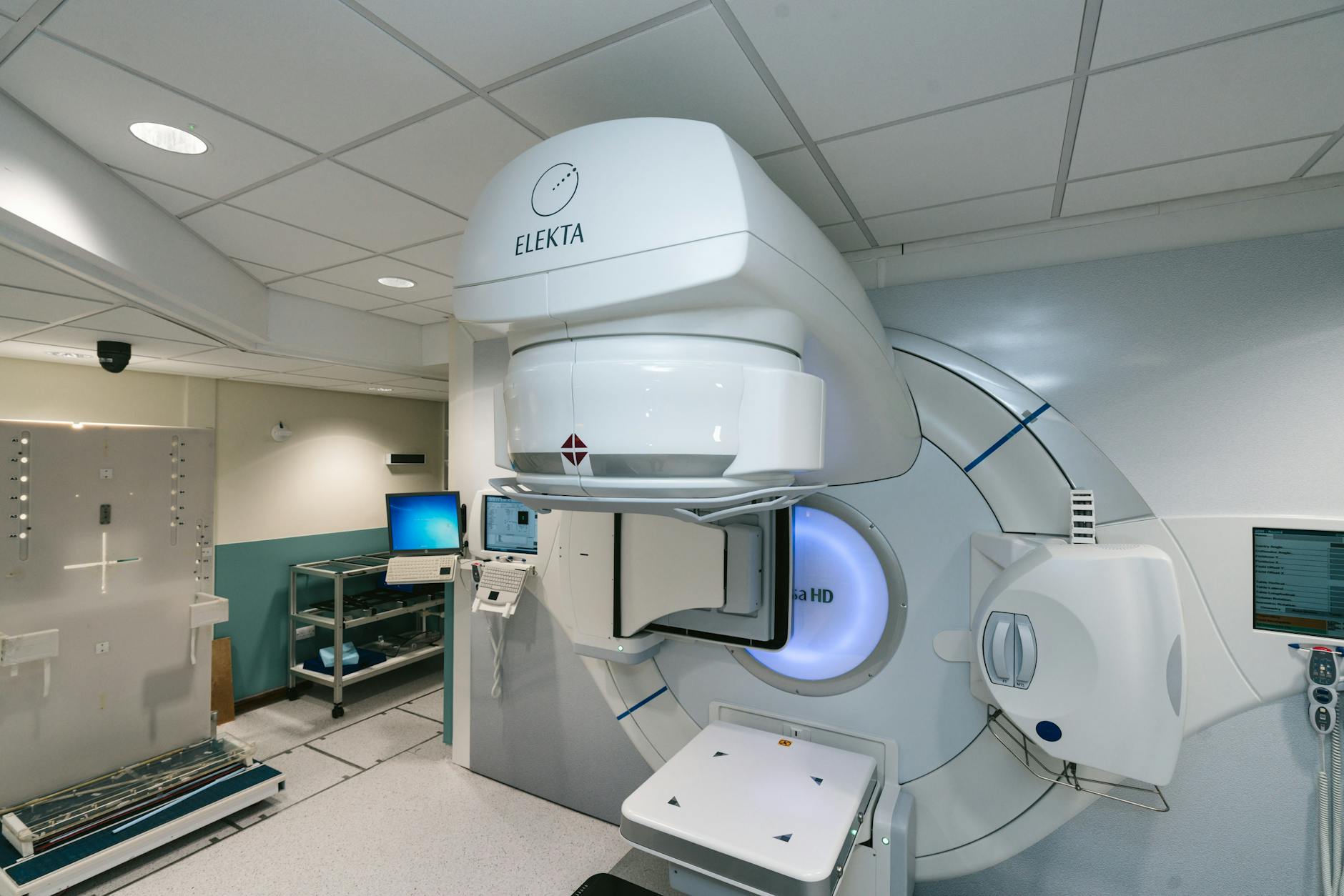
While blood biomarkers are becoming the first line of screening, advanced imaging devices remain essential for confirming diagnosis and ruling out mimics like normal pressure hydrocephalus or subdural hematoma. Tau PET imaging, now FDA-approved for clinical use, allows neurologists to visualize tau pathology in the living brain with anatomical specificity—showing whether tau is isolated to the memory-critical temporal lobe (suggesting Alzheimer’s) or spread more diffusely. Amyloid PET similarly reveals amyloid distribution patterns that guide prognosis and treatment selection. High-field MRI scanners (3 Tesla and above) have also improved, providing better visualization of subtle brain atrophy patterns, hippocampal integrity, and white matter changes that correlate with specific dementia subtypes. A person with suspected frontotemporal dementia can now get an MRI that shows the characteristic frontal and temporal atrophy patterns, helping distinguish this condition from Alzheimer’s—a crucial distinction because treatments and prognosis differ dramatically.
Amyloid-PET can also reveal mixed pathology, where someone has both Alzheimer’s and Lewy body disease, information that directly impacts treatment recommendations. The tradeoff is accessibility and cost. A tau PET scan can cost $3,000 to $5,000, and many insurance plans still don’t cover it except in research settings. Advanced MRI requires specialized expertise to interpret, and many smaller hospitals or rural medical centers lack trained neuroradiologists. This creates a two-tiered system where patients in major medical centers with comprehensive memory clinics have access to advanced imaging that guides precision treatment, while patients in rural or underserved areas may never receive PET imaging despite it being clinically indicated.
How Can Primary Care Doctors Implement Device-Based Screening?
The practical implementation of device-based dementia screening in primary care depends on recognizing which patients are candidates and knowing which tests to order first. Most guidelines now recommend blood biomarker screening for patients over 60 with cognitive complaints or cognitive impairment, those with a family history of dementia, or those with vascular risk factors. A primary care doctor seeing a 62-year-old patient concerned about forgetfulness can now order a blood biomarker panel during a routine visit, with results available within one to two weeks—something that would have required a neurology referral five years ago. The most practical approach is a tiered system: start with a simple cognitive screen (like the Montreal Cognitive Assessment or Mini-Cog), combine it with a blood biomarker test if cognitive concern is present, and escalate to advanced imaging only if biomarkers are abnormal or symptoms are rapidly progressive.
This approach reduces unnecessary imaging (sparing patients cost and radiation exposure) while ensuring that people with early pathology are identified. For example, a patient might get a blood test that reveals normal amyloid and tau levels, providing reassurance that cognitive changes are likely normal aging rather than Alzheimer’s pathology, without needing an expensive MRI or PET scan. The comparison here is worth noting: this device-driven approach is more objective but also requires more patient education. A patient needs to understand that an abnormal biomarker without symptoms is different from symptomatic dementia, and that preventive medications or lifestyle changes might help but aren’t guaranteed. Many primary care practices lack the time or training to have these nuanced conversations, meaning the promise of device-based screening can be undermined by poor implementation.
What Are the Limitations and Risks of Relying on Device Innovation?
One significant risk of rapidly advancing devices is the potential for overdiagnosis and medicalization of normal cognitive aging. As blood biomarkers become more sensitive, they can detect pathological changes years or decades before symptoms—a phenomenon called “preclinical Alzheimer’s.” This raises an important question: should a cognitively normal 50-year-old with abnormal p-tau levels be diagnosed with dementia or treated with preventive medications? Current guidelines suggest no, but the tension between objective test results and clinical presentation creates confusion for both doctors and patients. Another limitation is that devices measure pathology, not function. A person might have significant amyloid and tau pathology on PET imaging but remain cognitively intact, while another person with minimal pathology on brain imaging might have profound dementia—suggesting that pathology alone doesn’t determine outcome. This disconnect means that device results must always be interpreted alongside clinical assessment, family observations, and functional capacity.
A device showing brain atrophy is only clinically meaningful if it correlates with actual cognitive decline or functional loss. There’s also a warning about equity and access. Advanced screening devices are disproportionately available to wealthy patients in major medical centers, potentially creating a scenario where affluent people get early warnings and access to preventive treatments while underserved populations only encounter dementia after symptoms are established. Additionally, most biomarker research has been conducted in predominantly white, educated populations, meaning their applicability to other demographic groups remains unclear. The promise of device innovation must be paired with intentional efforts to equitably distribute these technologies.

How Are Wearable Devices Contributing to Dementia Screening?
Wearable technology represents an emerging frontier in dementia screening, with smartwatches and specialized sensors detecting subtle changes in gait, sleep, activity levels, and cognitive processing that precede formal cognitive decline. Research has shown that gait changes—specifically, increased variability in walking speed and stride length—can predict future cognitive decline in older adults. A person wearing a smartwatch might show increasing nighttime activity and fragmented sleep patterns months before they notice memory problems, and these subtle changes could prompt earlier medical evaluation.
The advantage of wearables is continuous, real-world monitoring. Unlike a cognitive test taken once yearly in a clinic, a wearable device captures data continuously, potentially detecting the onset of decline earlier and tracking response to treatment more objectively. For example, a person starting a dementia prevention medication could measure whether their sleep architecture improves or gait variability decreases—providing objective feedback that wouldn’t be available from traditional clinic visits. However, most wearable dementia screening applications remain in research settings and are not yet FDA-cleared for clinical use, meaning they’re not part of standard care and are not covered by insurance.
What Does the Future of Device-Based Dementia Screening Look Like?
The trajectory of dementia screening technology suggests an increasingly integrated, multi-modal approach where blood biomarkers, imaging, wearables, and clinical assessment combine to create a comprehensive risk profile. Within the next five years, expect blood biomarker testing to become routine in primary care for older adults with any cognitive concern, similar to how cholesterol screening is standard practice. As costs decrease and insurance coverage expands, these tests will likely move from specialty neurologists to family medicine and geriatric practices.
Artificial intelligence is also entering the space, with machine learning algorithms trained to identify dementia patterns in imaging, predict cognitive decline from biomarker combinations, and even analyze voice patterns or writing samples for early signs of cognitive change. The forward-looking insight is that dementia screening will eventually become predictive and personalized—rather than waiting for symptoms, doctors will identify high-risk individuals years in advance and recommend precision interventions based on their specific pathology profile. This shift from reactive diagnosis to proactive risk management represents perhaps the most significant change device innovation brings to dementia care.
Conclusion
Medical device innovation is reshaping dementia screening from a subjective clinical process into an objective, measurable discipline grounded in biomarkers and advanced technology. Blood biomarker tests, advanced imaging, and emerging wearables now allow physicians to detect Alzheimer’s pathology years before symptoms appear, fundamentally changing when and how people receive a dementia diagnosis. This shift offers tremendous promise for early intervention and preventive treatment, particularly for people with family histories of dementia or those worried about cognitive decline.
However, the promise of device innovation is only realized when these tools are equitably accessible, properly interpreted, and paired with thoughtful clinical assessment and patient education. Moving forward, the most important work isn’t developing better devices—it’s ensuring that existing innovations reach patients who need them, training clinicians to use them appropriately, and helping patients understand what test results mean for their long-term health. For anyone concerned about dementia risk, discussing device-based screening options with a primary care doctor or neurologist is now a practical step, rather than something reserved for memory clinics in major medical centers.
Frequently Asked Questions
Can I get a blood test to check for Alzheimer’s disease right now?
Yes. Blood biomarker tests measuring phosphorylated tau, amyloid-beta, and other markers are now available through major labs and many neurologists. Some primary care doctors can order them, though not all insurance plans yet cover the cost. Talk to your doctor about whether these tests are appropriate for you based on your age, symptoms, and risk factors.
If my biomarker test shows abnormal results, does that mean I have dementia?
No. An abnormal biomarker means your brain may have Alzheimer’s pathology, but many people with pathological changes never develop dementia symptoms. Your doctor should interpret biomarker results alongside cognitive testing, your medical history, and functional capacity to determine what they mean for you specifically.
Are wearable devices like smartwatches useful for dementia screening?
Research shows that wearable-detected changes in gait and sleep can predict future cognitive decline, but these devices are not yet FDA-cleared for dementia screening in clinical practice. Wearables may eventually play a role in monitoring high-risk patients, but they’re currently research tools rather than clinical screening devices.
How much do advanced dementia screening tests cost?
Blood biomarker tests typically cost $200 to $500 and are increasingly covered by insurance. Advanced imaging like PET scans can cost $3,000 to $5,000 and coverage is less consistent. Costs and coverage vary significantly by insurance plan and location.
Should I get dementia screening even if I have no symptoms?
That depends on your age, family history, and risk factors. For most people without cognitive symptoms, routine screening isn’t recommended. However, if you have a strong family history of early-onset dementia or significant vascular risk factors, discussing preventive screening with your doctor is reasonable.
What should I do if I’m concerned about dementia risk?
Start by talking to your primary care doctor about your specific concerns, family history, and symptoms (if any). They can assess whether cognitive screening or biomarker testing is appropriate for you, and whether referral to a neurologist or memory clinic would help.





