Reviewed by the Help Dementia Editorial Team — our editors review every article for accuracy against guidance from the National Institute on Aging, the Alzheimer’s Association, and peer-reviewed sources.
Blood test sits at the center of this dementia and brain health question.
Blood test advances are fundamentally changing how doctors identify and monitor dementia in its earliest stages, allowing for more precise treatment planning and intervention timing. Where clinicians once relied primarily on cognitive testing and brain imaging, they now have access to biomarker blood tests that can detect the actual pathological changes associated with Alzheimer’s and other dementias years before symptoms appear. This shift means that a patient showing early memory concerns can receive a definitive biological answer rather than a diagnosis of exclusion, enabling doctors to recommend treatments and lifestyle interventions tailored to what’s actually happening in the brain.
Consider the practical difference: A 62-year-old woman notices she’s forgetting names and appointments more frequently. In the past, her doctor would order an MRI to rule out a stroke or tumor, run basic cognitive tests, and possibly label her with “mild cognitive impairment” while hoping to monitor her progress annually. Today, that same patient can receive blood tests measuring phosphorylated tau and amyloid-beta, which often show abnormal levels a decade before dementia symptoms fully develop. With these results, her doctor can discuss early treatment options like lecanemab or donanemab, recommend cognitive training, and make informed decisions about driving and financial planning.
Table of Contents
- How Blood Biomarkers Are Changing Dementia Diagnosis
- Early Detection and Prevention Strategy Planning
- Monitoring Treatment Response and Progression
- Personalizing Treatment Decisions Based on Biomarker Profiles
- Access, Cost, and Equity Challenges
- Integration with Imaging and Cognitive Testing
- Future Directions and Emerging Biomarkers
- Conclusion
How Blood Biomarkers Are Changing Dementia Diagnosis
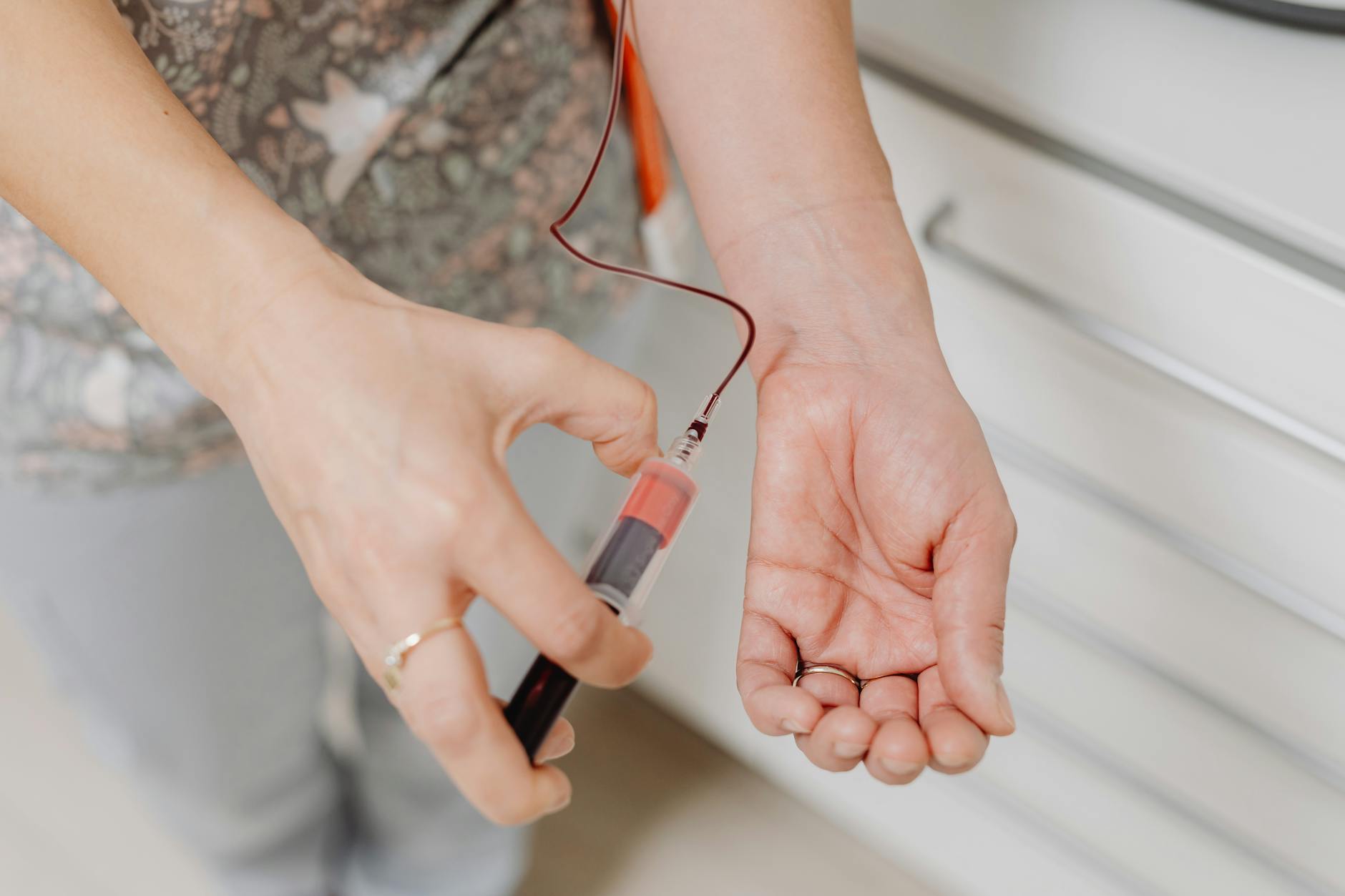
blood biomarkers measure proteins and other molecules that reflect the underlying biology of dementia. The most important advances involve phosphorylated tau (p-tau), amyloid-beta, and neurofilament light chain (NfL), each telling a different story about what’s happening in the brain. Phosphorylated tau indicates tau tangles accumulating in neurons, amyloid-beta suggests amyloid plaques, and neurofilament light chain reflects general neurodegeneration. Unlike imaging tests that cost thousands of dollars and require hospital visits, blood tests are simple venipunctures that can be done at a routine clinic appointment and often covered by insurance.
These tests have moved from research settings into clinical practice over the past two to three years. The FDA has approved several biomarker tests, including plasma phospho-tau variants and the PrecivityAD test, which measure amyloid and tau signatures. A major limitation, however, is that not all dementia is caused by amyloid and tau. Lewy body dementia, frontotemporal dementia, and vascular dementia have different underlying pathologies, and blood tests for these conditions are still in earlier development stages. A patient whose blood tests come back normal may still be experiencing cognitive decline from cerebrovascular disease or another cause, requiring additional evaluation.
Early Detection and Prevention Strategy Planning
The ability to detect pathology before symptoms appear creates a window for preventive treatment that didn’t previously exist. patients identified with amyloid and tau changes through blood tests can begin disease-modifying medications like lecanemab while cognitive function remains largely intact. Clinical trials show that starting treatment at this asymptomatic or mild cognitive impairment stage slows cognitive decline, with some studies showing a 27-35% slowing of decline over 18 months. This early intervention strategy fundamentally changes the treatment planning conversation. However, this capability also introduces complexity and difficult decisions.
Not everyone with abnormal biomarkers will develop symptomatic dementia in their lifetime—some have pathology that never progresses clinically. Starting medications in asymptomatic people raises questions about side effects, cost, and quality of life. Lecanemab and donanemab carry a small but real risk of amyloid-related imaging abnormalities (ARIA), which can cause brain microhemorrhages or microinfarcts. For some patients, learning they have amyloid pathology creates anxiety, even though they may have years before any cognitive impact. Treatment planning must weigh individual tolerance for medication risks against the likelihood of progression, requiring detailed conversations between patients and doctors.
Monitoring Treatment Response and Progression
Blood biomarkers offer a way to track whether treatments are actually working and disease is being slowed. Instead of relying solely on cognitive testing scores, which can be subjective and influenced by test familiarity, doctors can order repeat blood tests to see if biomarker levels are changing. Some memory clinics are beginning to use serial biomarker measurements to adjust medications or recommend additional interventions. A patient on lecanemab, for example, can have blood phospho-tau levels measured at three-month intervals to assess whether the antibody is successfully reducing tau accumulation.
This monitoring approach is still being refined in clinical practice. The timeline between biomarker changes and cognitive changes remains imperfectly understood—a drop in phospho-tau doesn’t guarantee that cognitive decline will slow, and normal biomarker results don’t guarantee symptom stability. Variability exists between different testing laboratories, and standardization is ongoing. For practical treatment planning, doctors typically integrate biomarker trends with cognitive testing, imaging, and patient-reported function rather than relying on biomarkers alone.

Personalizing Treatment Decisions Based on Biomarker Profiles
Different combinations of biomarkers point toward different treatment approaches. A patient with elevated p-tau and normal amyloid might have a tauopathy pattern and could be prioritized for tau-targeted therapies if they become available. Someone with both amyloid and tau elevation faces a higher risk of progression and might warrant earlier intervention. Blood tests can identify these patterns quickly, without waiting for expensive PET imaging or cognitive decline to become obvious.
This precision approach does come with the tradeoff that more information often creates more difficult decisions. A patient receiving a detailed biomarker report needs education about what their specific pattern means for their individual risk. Genetic risk factors like APOE4 status, which increases risk of Alzheimer’s pathology, may also be discussed, adding another layer of complexity. Treatment planning in the biomarker era requires more nuanced conversations with patients who may not be medically sophisticated and may feel overwhelmed by detailed biological information.
Access, Cost, and Equity Challenges
While blood tests are less expensive than PET imaging, they’re not yet universally accessible or fully covered by all insurance plans. Some advanced biomarker tests cost $500-$2,000 out of pocket, creating disparities in who gets early detection. Rural patients may struggle to find clinicians experienced in interpreting biomarker results, and some memory clinics haven’t yet integrated these tests into their standard workup. A wealthy patient in a major metropolitan area might have access to cutting-edge biomarker testing and early treatment, while a low-income patient in a rural area might not hear about these advances until significant cognitive decline has occurred.
Insurance coverage is improving but remains inconsistent. Medicare currently covers some phospho-tau biomarker tests in the context of cognitive complaints, but coverage varies by state and by specific test. Treatment planning equity concerns mean that recommendations about biomarker testing should account for a patient’s access to follow-up care and treatment options. It’s ethically problematic to tell someone they have preclinical Alzheimer’s pathology if they can’t access or afford the medications that might help.

Integration with Imaging and Cognitive Testing
Blood biomarkers work best when combined with other assessment tools. A blood test showing elevated phospho-tau might prompt an MRI to rule out stroke or tumor, or a cognitive test battery to establish baseline function. Some memory clinics now use a “blood-first” approach where blood biomarkers are obtained at the initial visit to guide whether further testing is needed. If biomarkers are normal and cognitive testing is normal, no imaging may be necessary.
If biomarkers are abnormal, MRI or amyloid PET might follow to understand the structural extent of disease. This multimodal approach makes sense biologically but requires coordination across different specialties and testing sites. A patient might need a venipuncture at their primary care clinic, cognitive testing at a neuropsychology center, and MRI at a hospital—all coordinated through the memory clinic. Treatment planning becomes more complex logistically but more accurate diagnostically when these pieces of information are integrated.
Future Directions and Emerging Biomarkers
Blood biomarker testing is rapidly evolving, with new markers entering research and clinical settings. Tau phosphorylation at different amino acid positions (p-tau181, p-tau217, p-tau379) appears to offer different prognostic information, and research is clarifying which variants best predict progression. Other emerging biomarkers include glial markers that reflect inflammation and microglia activation, which may be important in understanding why some people with pathology progress while others don’t.
Within the next five years, blood tests may be able to predict not just who has Alzheimer’s pathology, but who will develop symptomatic disease and how quickly it will progress. The future of dementia treatment planning likely involves increasingly sophisticated biomarker panels combined with AI-assisted interpretation to identify individual risk profiles and recommend personalized preventive strategies. However, this also means that dementia diagnosis will shift from a binary yes-or-no to a spectrum of risk and pathology, requiring patients and doctors to make decisions about treatment and monitoring in the presence of uncertainty.
Conclusion
Blood test advances are providing the biological clarity that was previously unavailable, enabling doctors to plan dementia treatment based on what’s actually happening in the brain rather than clinical guesswork. Early detection of amyloid and tau pathology creates opportunities for intervention before cognitive decline becomes apparent, potentially slowing disease progression and buying patients time. However, these advances also introduce new challenges around which patients to test, how to interpret results, and how to make treatment decisions when pathology is present but symptoms are not.
For patients and families, the practical step is to discuss biomarker testing with a neurologist or geriatrician if cognitive concerns arise, and to understand that a positive result creates options, not inevitability. The conversation with your doctor should include questions about your individual risk, the realistic benefits and risks of treatment, and how results will be monitored over time. Dementia planning in the biomarker era requires more information, more communication, and more personalization—but it also offers more opportunity to intervene when intervention may matter most.
You Might Also Like
- Why Everyday Meals Are Becoming Dementia Research Topics
- Why Doctors Are Looking Earlier for Dementia Risk Clues
- Why Dementia Screening May Include Everyday Conversation
For more, see CDC — Alzheimer’s and Dementia.