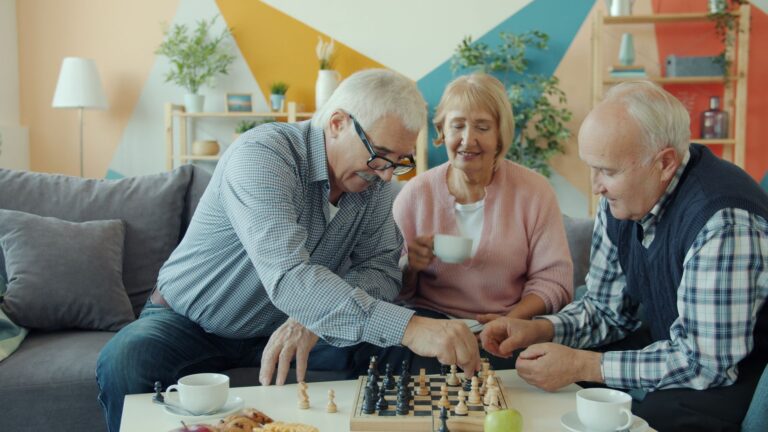
About 11.5 million Americans provided unpaid Alzheimer's and dementia care in 2023, the Alzheimer's Association reported in 2024 2024 Facts and Figures summary. Memory games — simple matching, card, board and puzzle play — are one of the shared holiday activities dementia guidance recommends for those households.
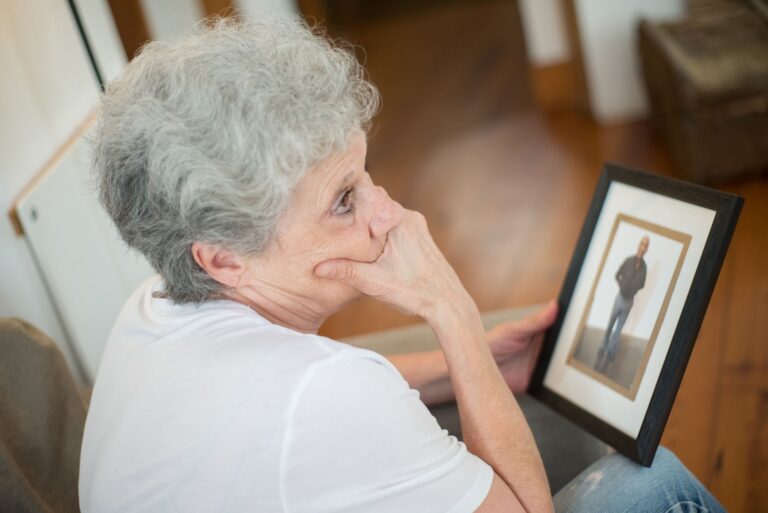
Nearly 7 in 10 family caregivers said caring for a loved one during the holidays is emotionally stressful, with 29% very and 39% somewhat stressed, AARP found in a December 2017 survey AARP holiday caregiving survey. The load behind that stress was large, at 18.4 billion hours of unpaid care valued at nearly $347 billion. Games enter here as calm time together, not as a test of memory.
Medical information disclaimer: This article is for general educational purposes only and does not provide medical advice, diagnosis, or treatment. Always consult a physician or other qualified health professional about symptoms, medications, tests, or treatment decisions.
Table of Contents
- Why holidays strain caregivers
- What dementia guidance recommends
- Which game types fit a mixed holiday room
- How to run a calm 20-minute session
Why holidays strain caregivers
Holiday visits add guests, noise, travel and broken routines to care that is already daily. Many families change how they celebrate to protect sleep, meals and quiet time. A short shared activity can give the visit shape without adding pressure.
Caregivers often host, cook and manage symptoms at once. Attention splits between the person with dementia and other relatives. A familiar game offers one table where people can sit, talk and include the person directly.
What dementia guidance recommends
The National Institute on Aging advises caregivers to play a board or card game and work on a puzzle together to engage the mind NIA activities guidance. The advice sits alongside walks, music, cooking and looking at photos. The point is shared attention in the present moment.
Holiday gift guidance from the Alzheimer's Association lists puzzles and activity books to stimulate sharpness and card or board games to encourage engagement with others Alzheimer's Association holiday gift tips. The Alzheimer Society of Durham Region points to large-print cards, word-based puzzles and music-inspired group games. It links them to laughter, companionship and inclusive holiday time.
Which game types fit a mixed holiday room
Large-print cards help when eyesight is weak and lighting is low. Word puzzles with short answers keep turns quick and reduce waiting. Music-inspired group games let people hum, clap or call answers without keeping score.
Pick one game with clear pieces and few rules. Avoid small print, timed rounds and complex strategy. A familiar theme, such as old songs, family sayings or holiday foods, helps more people join in.
How to run a calm 20-minute session
Set up before inviting the person to play. Choose a quiet corner, clear the table and keep drinks away from cards. Explain the round in one short sentence and show one example turn.
Watch for fatigue, restlessness or frustration with the rules. Simplify the task, swap hands or pause for a break. Close while the mood is warm and save the game for the next visit.
- Invite, do not insist, and let roles be flexible
- Play in pairs so no one faces a hard turn alone
- Keep rounds to 15 to 20 minutes with a clear stop
- End on a good turn and switch to snacks or music
You Might Also Like
- The NIA 2026 Dementia Care and Caregiving Summit Report: Service Gaps That Matter to Long-Distance Caregivers
- The NIA 2026 Dementia Care and Caregiving Summit Report: Cost and Access Questions for Long-Distance Caregivers
- The NIA 2026 Dementia Care and Caregiving Summit Report: Care-Planning Implications for Long-Distance Caregivers