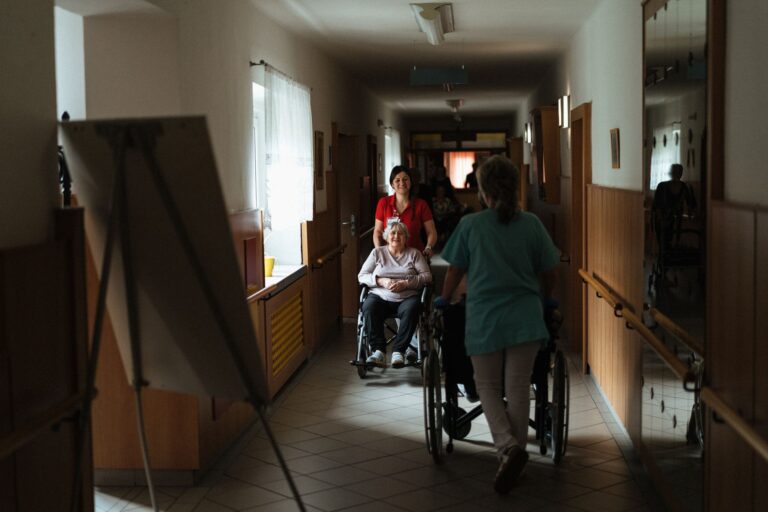
Dementia is diagnosed from a combination of history, exams, cognitive tests, lab work and brain imaging. There is no single test for dementia or Alzheimer's, according to the Alzheimer's Association in its guide to diagnosis.
Dementia means an ongoing decline in memory, thinking or reasoning that interferes with daily life. A first clinic visit focuses on when symptoms began and how they affect everyday tasks. Bring a family member or close contact who can describe changes and help recall advice.
Medical information disclaimer: This article is for general educational purposes only and does not provide medical advice, diagnosis, or treatment. Always consult a physician or other qualified health professional about symptoms, medications, tests, or treatment decisions.
Table of Contents
- What does the doctor ask first?
- What do the exam and memory tests involve?
- Why order blood tests and brain scans?
- When is referral to a memory clinic needed?
What does the doctor ask first?
The visit starts with a detailed history of symptoms. The GP asks how and when problems began and whether washing, cooking, shopping or paying bills are affected, per the NHS in its guidance on getting a diagnosis.
Clinicians also ask a family member or other informant who knows the patient well to attend. That person describes noticed changes, gives examples, and helps remember next steps. To prepare, bring:.
- a list of symptoms with dates and examples
- all medicines, vitamins and over-the-counter drugs
- past medical problems, especially depression, thyroid disease, stroke or head injury
- contact details for someone who can give collateral history
What do the exam and memory tests involve?
The GP does a physical examination and checks alertness, movement, speech and general health. The same visit often includes pen-and-paper cognitive tasks. In primary care the common tool is GPCOG.
It tests short- and long-term memory, concentration, language and orientation to time and place, as described by the NHS in its guide to dementia tests. A patient might recall a name and address, follow spoken instructions, name objects, or state the date and location. Scores alone cannot diagnose dementia. Low literacy can lower scores without dementia, while high education can mask early decline.
Why order blood tests and brain scans?
Blood and sometimes urine tests rule out conditions that mimic dementia. These include depression, delirium or infection, thyroid problems and medicine side effects. Laboratory checks typically cover liver and kidney function, thyroid function, HbA1c for diabetes, and vitamin B12 and folate.
Correcting one of these causes can improve thinking, so testing comes before a dementia label. Brain scans usually mean MRI, sometimes CT. They help confirm dementia type, show shrinkage or vascular damage, and exclude stroke or tumour. Not every patient needs one; scans follow after simpler tests point toward dementia.
When is referral to a memory clinic needed?
When symptoms are mild, complex or uncertain, the GP refers for detailed assessment. Referral often goes to an old-age psychiatrist, geriatrician or neurologist, frequently in a memory clinic. The specialist repeats the history, reviews medicines, and does longer cognitive and functional testing.
The clinic may also arrange blood work, imaging or follow-up testing to track change over time. Ask what the referral covers, how long it takes, and who will share results. If memory worsens quickly, new confusion appears, or safety at home, driving or work becomes a concern, contact the GP sooner.