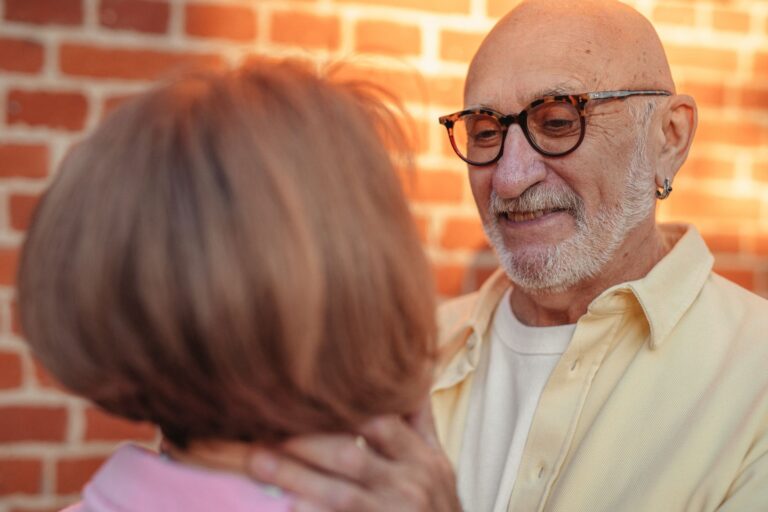
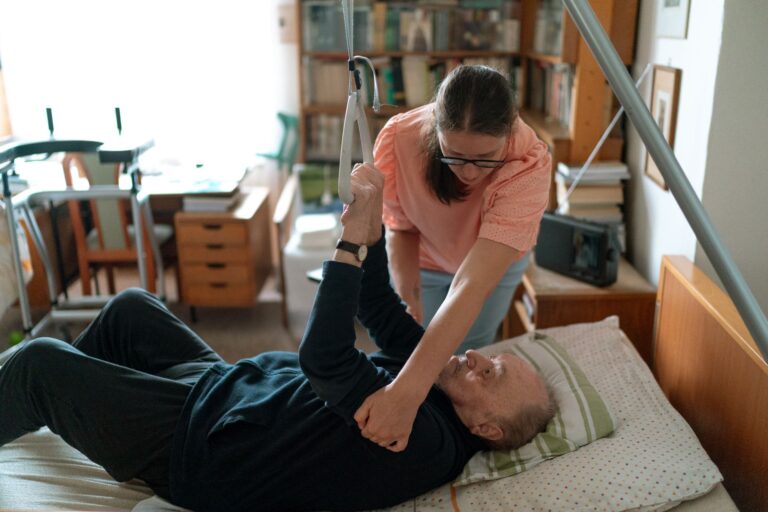
Healing culture sits at the center of this dementia and brain health question.
Healing culture has become a pervasive aspect of modern society, transforming the way we perceive health and wellness. This shift has led to a situation where everyone is, in some sense, a patient. The cultural significance of healing lies in its ability to provide a sense of meaning, purpose, and belonging to individuals and communities. Traditional healing practices, deeply embedded in cultural fabric, reflect societal values and beliefs, often intertwining with spirituality and religion.
In many cultures, healing is not just about treating physical ailments but also about restoring balance to spiritual and social relationships. This holistic approach views health as a multifaceted concept, encompassing physical, social, and cultural dimensions. For instance, shamanism, a spiritual practice found in various societies, involves practitioners interacting with the spirit world to address not only physical symptoms but also spiritual and communal aspects of illness. The role of the shaman is to restore harmony within both the individual and the community, reinforcing social bonds that influence health.
The impact of cultural identity on mental health is also significant. Cultural practices, including rituals and spiritual practices, can enhance mental well-being by offering ways to cope with life’s challenges and connect with others. These practices foster a sense of identity and continuity, providing comfort and understanding within a supportive community.
Moreover, the concept of healing has evolved beyond traditional practices. In modern times, healing is often associated with personal growth and self-care. It involves recognizing one’s worth beyond productivity and embracing small joys in life. This shift away from hustle culture, which equates worth with output, allows individuals to redefine success on their own terms and celebrate everyday achievements.
Ultimately, healing culture has created a society where everyone is a patient in the sense that everyone is on a journey of self-improvement and wellness. This journey is not just about treating illnesses but about cultivating a deeper understanding of oneself and one’s place within the community. It emphasizes the importance of cultural practices, spirituality, and personal growth in achieving holistic well-being.
For more, see CDC — Alzheimer’s and Dementia.