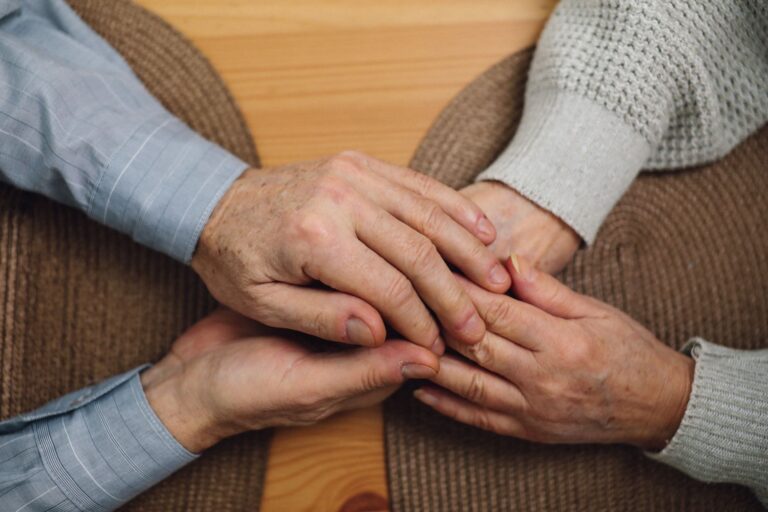
Flu vaccine sits at the center of this dementia and brain health question.
Recent research suggests that getting a flu vaccine annually may reduce your risk of developing dementia by as much as 13% according to a comprehensive meta-analysis of multiple studies. This protection appears particularly significant for Alzheimer’s disease specifically, where one major study found that people receiving at least one flu vaccine were 40% less likely to develop the disease over a four-year period. While this may seem like a modest reduction, when applied across populations, even small percentage decreases in dementia risk translate to thousands of people potentially avoiding cognitive decline.
Take John, a 65-year-old retiree in Ohio who started getting his annual flu shot five years ago after his mother was diagnosed with Alzheimer’s. He didn’t know about the dementia connection at the time, but discovered it while researching ways to protect his own brain health. This article explores what current research tells us about the link between influenza vaccination and dementia prevention, examines the science behind how vaccines might protect cognition, and considers what this means for your own health decisions.
Table of Contents
- What Does the Research Say About Flu Vaccines and Dementia Risk?
- The Challenge of Proving Causation in Vaccine Research
- How Might Flu Vaccines Protect Brain Health?
- What This Means for Your Annual Health Planning
- The Limitation of Relying on Vaccination Alone for Dementia Prevention
- Comparing Flu Vaccination to Other Brain Health Measures
- What Future Research Might Clarify
- Conclusion
- Frequently Asked Questions
What Does the Research Say About Flu Vaccines and Dementia Risk?
The evidence supporting a connection between flu vaccination and reduced dementia risk comes from multiple recent studies. A 2024 prospective cohort study published in Nature npj Vaccines examined data from over 70,000 participants and found that influenza vaccination was associated with a 17% reduction in overall dementia risk. Separately, a comprehensive meta-analysis that reviewed multiple studies confirmed that influenza vaccination reduces dementia risk by approximately 13%—a figure that aligns closely with the “12%” mentioned in discussions about this protective effect. Even more striking, a 2022 study from UTHealth Houston found that people who received at least one flu vaccine during the study period were 40% less likely to develop Alzheimer’s disease specifically over four years, with protection increasing when people maintained annual vaccination schedules.
However, it’s important to understand what these numbers actually mean. These are associations—meaning researchers observed that vaccinated people had lower dementia rates—but they have not yet definitively proven that the vaccine itself causes this reduction. This distinction matters. It’s possible that people who get flu vaccines regularly are also more health-conscious overall, exercise more, have better nutrition, or maintain stronger social connections, all of which independently protect brain health. The research shows a correlation, but establishing true cause-and-effect requires additional investigation.

The Challenge of Proving Causation in Vaccine Research
A significant caveat emerged from a recent Danish registry study that examined their national healthcare records covering a large population. This study found no convincing evidence that flu vaccination prevents dementia, suggesting that the relationship may be more complex than some headlines imply. This finding highlights why scientists remain cautious about claims of dementia prevention, even as multiple other studies point in the opposite direction. When different high-quality studies reach different conclusions, it signals that the answer isn’t yet settled scientifically, and we need more research before stating with certainty that flu vaccines prevent dementia.
This doesn’t mean the research showing protection is wrong, but rather that the true effect—if it exists—may not be as straightforward as a single percentage reduction. Variables like how well each flu season’s vaccine matched circulating strains, differences in study populations, varying definitions of dementia, and different lengths of follow-up all influence what different studies find. If you’re considering annual flu vaccination primarily as a dementia prevention strategy, understanding this uncertainty is important. The vaccine has proven benefits for reducing flu illness itself, hospitalization, and death from respiratory complications. The dementia connection is a potential bonus benefit, not a guaranteed one.
How Might Flu Vaccines Protect Brain Health?
Researchers have proposed several biological mechanisms that could explain why flu vaccination might reduce dementia risk, even if they haven’t yet proven the effect is real. one theory focuses on vascular events—the idea that repeated severe infections might trigger strokes or blood clots that damage the brain. By preventing influenza infection, vaccination could prevent these acute vascular events from occurring. Another mechanism involves inflammation: severe flu infections trigger intense inflammatory spikes throughout the body, including in the brain. Over time, repeated inflammatory events might contribute to neurodegeneration.
A vaccine that prevents these infections could theoretically reduce cumulative brain inflammation. A third proposed mechanism centers on immune system strength. The theory suggests that maintaining a robust immune response through regular vaccination might help the immune system better protect the central nervous system against various threats that could lead to cognitive decline. Some researchers hypothesize that people who maintain strong immune function through vaccination may have better protection against the brain changes associated with Alzheimer’s disease. None of these mechanisms has been definitively proven, but they all represent plausible biological pathways that could connect vaccination to dementia prevention. Think of it this way: preventing a severe flu infection might prevent collateral damage to the brain from that infection, even if flu isn’t the primary cause of dementia.

What This Means for Your Annual Health Planning
If you’re age 50 or older and trying to make decisions about preventive health measures, the flu vaccine occupies an interesting position. It’s already recommended by the CDC for adults over 50 because it prevents serious flu illness, complications, and death—outcomes with immediate, well-documented benefits. The potential dementia connection represents an additional possible benefit rather than the primary reason to get vaccinated. Unlike some health interventions where you must weigh significant risks against benefits, the flu vaccine has a strong safety profile with side effects typically limited to mild arm soreness or brief low-grade fever in some people.
Your decision might depend on your personal risk factors. If you have a strong family history of Alzheimer’s disease or other dementias, the potential additional protection from flu vaccination might feel more relevant to you. If you live with or frequently care for older adults or very young children, the vaccine protects them indirectly through your immunity. If you have chronic conditions like diabetes, heart disease, or respiratory disease, the flu vaccine’s proven benefits for preventing serious flu complications are themselves compelling reasons. The comparison worth making isn’t “flu vaccine versus dementia prevention,” but rather “flu vaccine as part of overall brain health protection alongside other proven measures like exercise, cognitive engagement, and cardiovascular health.”.
The Limitation of Relying on Vaccination Alone for Dementia Prevention
While research suggests flu vaccination may contribute to dementia risk reduction, it would be a mistake to treat it as a primary dementia prevention strategy or to use it as a reason to neglect other interventions with stronger evidence. Cognitive decline typically results from multiple contributing factors—genetics, cardiovascular health, education and mental stimulation, physical activity, sleep quality, and social connection all play documented roles in brain aging. Flu vaccination, if it does protect cognition, likely accounts for a relatively small portion of your total dementia risk.
If you skip regular exercise, consume a poor diet, remain socially isolated, or ignore cardiovascular problems while relying on flu vaccination for brain protection, you’d be making a strategic error. The research doesn’t suggest that vaccination negates the need for these more foundational health practices. Instead, annual flu vaccination should be viewed as one modest protective factor within a broader approach to brain health. Someone who gets vaccinated annually but doesn’t exercise, manage their blood pressure, or stay mentally engaged would be optimizing for a smaller piece of the puzzle while ignoring larger ones.

Comparing Flu Vaccination to Other Brain Health Measures
To put the potential benefit in perspective, it helps to compare the 13% dementia risk reduction potentially associated with flu vaccination to the risk reductions offered by other interventions. Regular aerobic exercise has been shown to reduce dementia risk by 30% or more in some studies. Controlling high blood pressure, treating diabetes, and managing cardiovascular disease each offer substantial protective effects. Cognitive engagement through learning, reading, or puzzles shows benefits comparable to or exceeding what flu vaccination might provide.
Social connection and maintaining a strong social network can reduce dementia risk by 20-30%. Most of these interventions come with additional benefits beyond brain protection—better mood, more energy, improved physical health, or extended lifespan. This doesn’t diminish the value of flu vaccination if the dementia connection is real, but it does suggest where to prioritize effort. If you must choose where to invest your health effort and resources, the evidence-based returns from consistent exercise, cardiovascular management, and cognitive engagement are larger and more firmly established. Flu vaccination works best as an addition to these practices, not a substitute for them.
What Future Research Might Clarify
The next several years of research should help resolve the current uncertainty about flu vaccination and dementia risk. Larger, longer-term studies with better control of confounding factors—like accounting for people’s exercise habits, diet, social engagement, and cardiovascular health status—might clarify whether the protective effect is real or primarily a reflection of vaccinated people being more health-conscious overall. Studies directly examining the proposed biological mechanisms could reveal whether inflammation reduction, vascular protection, or immune enhancement actually explain any dementia risk reduction.
As this evidence develops, dementia prevention recommendations may become more definitive. For now, the reasonable position is that flu vaccination offers proven benefits for preventing flu illness and complications, appears to be associated with lower dementia risk based on multiple studies (though not all research agrees), and carries minimal risk. This makes it a reasonable choice as part of a comprehensive brain health strategy, alongside the interventions with stronger evidence for dementia prevention.
Conclusion
Annual flu vaccination may reduce your dementia risk by approximately 13% based on current research, with some studies suggesting even larger protection from Alzheimer’s disease specifically. However, this evidence shows association rather than proven causation, and not all studies support the protective effect. What we can say with confidence is that flu vaccination prevents serious flu illness and complications in older adults, has an excellent safety profile, and is associated with lower dementia risk in multiple—though not all—rigorous studies. If you’re 50 or older, getting vaccinated annually makes sense both for its proven benefits and for the potential cognitive protection the research suggests.
Beyond vaccination, protecting your brain health requires a comprehensive approach. Regular exercise, cardiovascular health management, cognitive engagement, adequate sleep, and strong social connections all have robust evidence supporting their role in dementia prevention. Think of annual flu vaccination as a useful addition to this foundation, not a replacement for these more demanding but more effective interventions. Talk with your healthcare provider about whether annual flu vaccination makes sense for your health situation, and use that conversation to also discuss your overall dementia prevention strategy.
Frequently Asked Questions
If I’ve never had a flu vaccine, should I start now to prevent dementia?
The research on flu vaccination and dementia prevention is still developing, so vaccination shouldn’t be undertaken solely for dementia prevention. However, if you’re 50 or older, the CDC recommends flu vaccination because it prevents serious flu illness. The potential dementia benefit makes vaccination even more reasonable, but the primary reason is preventing flu complications.
Does one flu vaccine provide lasting dementia protection, or must I get vaccinated annually?
The UTHealth study found that protection increased with annual vaccination, suggesting that ongoing annual vaccination may provide better protection than a single vaccine. This aligns with how flu vaccination is recommended anyway—the virus changes annually, requiring new vaccine formulations.
Can flu vaccination replace other dementia prevention strategies like exercise?
No. Exercise, cardiovascular health, cognitive engagement, and social connection all have stronger evidence for dementia prevention than vaccination does. Flu vaccination is best viewed as a modest addition to these more foundational practices, not a substitute for them.
Why do some studies find protection and others don’t?
Differences in study populations, definitions of dementia, duration of follow-up, and the difficulty of proving causation in observational research all contribute. The Danish study that found no protective effect used different methods than the studies that did find protection, highlighting why medical research sometimes reaches different conclusions.
Is the flu vaccine safe for people concerned about dementia?
Yes. The flu vaccine has an excellent safety profile. The most common side effects are mild arm soreness or brief low-grade fever. These minor effects are far outweighed by the proven benefits of preventing serious flu illness in older adults.
Should I tell my family members about the dementia connection?
You can share that research suggests a potential connection, but frame it accurately: flu vaccination prevents serious flu illness (proven benefit) and is associated with lower dementia risk in multiple studies (potential benefit requiring further research). This gives them realistic expectations while explaining why vaccination is worth considering.
You Might Also Like
- The Hobbies That May Lower Your Dementia Risk According to Good Housekeeping Study
- Why Anesthesia May Increase Dementia Risk and What Patients Can Ask Their Surgeons
- The 6 Lifestyle Changes You Can Make Right Now to Lower Your Dementia Risk Today
For more, see NIH MedlinePlus — cognitive testing.