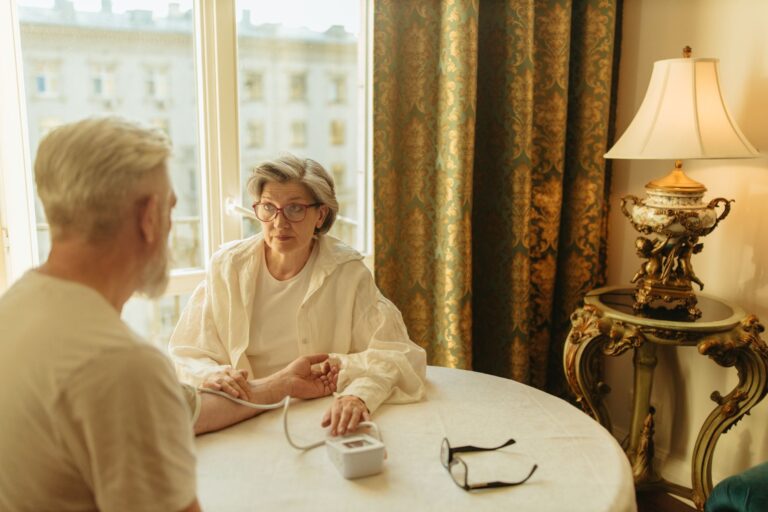
Families can share dementia duties during the holidays by holding an advance group discussion to set limits and divide celebrations, visits, and hands-on help. Visiting relatives take shifts sitting with the person, running errands, and keeping routines steady while one primary caregiver coordinates care.
Dementia means ongoing loss of memory, thinking, and daily function that makes noise, change, and late nights harder to handle. Holiday stress can still rise even with shared help, so shared plans work best when gatherings stay small and flexible. Advance agreement keeps the primary caregiver from managing confusion alone.
Medical information disclaimer: This article is for general educational purposes only and does not provide medical advice, diagnosis, or treatment. Always consult a physician or other qualified health professional about symptoms, medications, tests, or treatment decisions.
Table of Contents
- Decide who does what in advance
- Brief guests before they arrive
- Keep gatherings small and on routine
- Share time together and keep a backup plan
Decide who does what in advance
The National Institute on Aging advises families to name one primary caregiver and list all care needs. Then families assign tasks by skill, proximity, and availability and revisit assignments as needs change, according to sharing caregiving responsibilities guidance from the National Institute on Aging.
The Alzheimer's Association advises an advance group discussion by phone, video call, messaging app, or email to set limits and divide celebrations, according to holiday guidance from the Alzheimer's Association. Use that call to match people to jobs they can actually do.
- Name one primary caregiver to coordinate medications, meals, and sleep.
- List all care needs, visits, cooking, cleanup, and travel help.
- Assign tasks by skill, location, and holiday availability, then review after the holiday.
Brief guests before they arrive
The Alzheimer's Association advises visiting relatives to brief all guests in advance about symptoms and expected behavior. Clear briefing keeps interactions calm and prevents side conversations about the person in front of them.
Give guests simple instructions before the door opens. Ask them to introduce themselves each time, speak slowly, offer one choice at a time, and avoid correcting memory errors. Assign one family member to greet newcomers and repeat the plan as needed.
Keep gatherings small and on routine
Rutgers Health advises holiday hosts to keep gatherings small, early in the day, and close to normal routines for meals, medications, naps, and bedtime, according to guidance on navigating the holidays with dementia. Late, crowded events increase disorientation.
Share routine work so one person does not carry the whole day. One sibling can manage medications and nap time while another handles cooking, hosting, and cleanup. Long-distance family can also sit with the person, run errands, shop, or finish holiday preparations during visits.
Share time together and keep a backup plan
The Alzheimer's Association advises families to involve the person with dementia in safe, manageable tasks they enjoy. Good shared tasks include preparing simple food, wrapping packages, decorating, or setting the table.
Scale back traditions that require travel, noise, or long evenings. Keep an exit plan with a quiet room, an early departure option, and a backup driver. If stress overwhelms the family, call the Alzheimer's 24/7 Helpline at 800-272-3900, as listed in holiday resources from the Wisconsin Alzheimer's Disease Research Center.