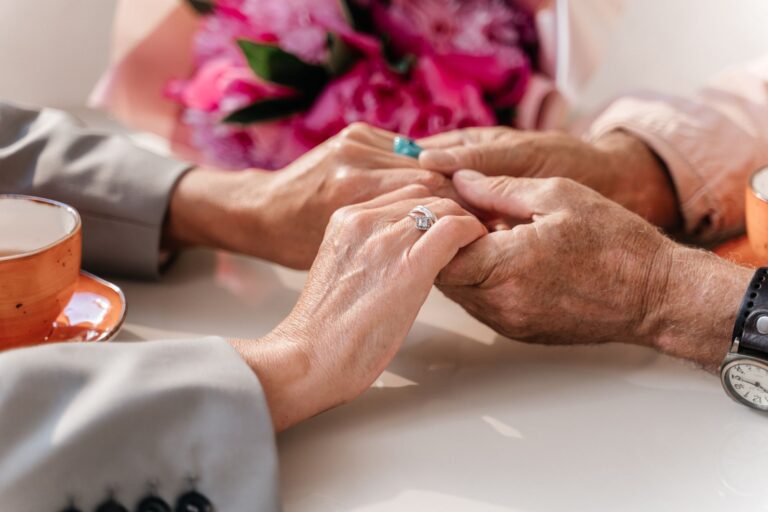
Families preserve pressed flowers before Alzheimer's memory loss by creating tangible keepsakes during the years when loved ones still recall the memories attached to those blooms—flowers from weddings, births, anniversaries, or memorial occasions pressed flat and stored as lasting reminders that trigger long-preserved memories even as recent recall fades. Alzheimer's initially damages short-term memory while older memories often remain accessible for extended periods, giving families an extended window—sometimes eight years or more—to create memory keepsakes before cognitive decline progresses. Pressed flowers serve both as practical memory aids and as activities that stimulate thinking while family members are still in the early stages of cognitive change. Rather than waiting until diagnosis, families who notice subtle memory shifts can begin preserving these botanical mementos together, embedding the stories and emotions behind each flower into a keepsake that later becomes a tool for reminiscence and emotional connection during dementia care.
Medical information disclaimer: This article is for general educational purposes only and does not provide medical advice, diagnosis, or treatment. Always consult a physician or other qualified health professional about symptoms, medications, tests, or treatment decisions.
Table of Contents
- The Memory Window Before Serious Decline
- What Pressed Flowers Are and Why Families Choose Them
- Creating Pressed Flower Keepsakes Together
- How Memory Keepsakes Work in Reminiscence Therapy
- Health Benefits of Flower Activities During the Preservation Window
- Starting Now, Regardless of Diagnosis Status
- Frequently Asked Questions
The Memory Window Before Serious Decline
Subtle cognitive decline can precede Alzheimer's diagnosis by up to eight years, meaning families often recognize memory concerns long before formal diagnosis. during this early stage, individuals typically remain capable of participating in meaningful activities, recalling significant life events, and making decisions about which memories matter most to preserve.
Disease progression from mild cognitive impairment to severe symptoms typically spans several years, rather than months, giving families reasonable time to work together on memory projects. This extended timeline is not guaranteed—progression varies widely—but it creates realistic opportunity for collaborative keepsake-making when energy, coordination, and shared memory are still present.
What Pressed Flowers Are and Why Families Choose Them
Pressed flowers remain a documented family tradition for preserving sentimental memories, created by flattening blooms between absorbent materials so petals retain shape and structure, then framing them, placing them in keepsake boxes, or storing them in books. Unlike photographs, which document a moment, pressed flowers preserve the actual plant—a tangible connection to a specific occasion that engages multiple senses: visual color and form, tactile texture, and sometimes residual scent.
Families choose pressed flowers because the creation process itself becomes part of the memory. Selecting which flowers to preserve, choosing colors for arrangements, and deciding how to display or store them all require decision-making and recall—connecting the person doing the preserving to the stories behind each bloom.
Creating Pressed Flower Keepsakes Together
Pressed flower preservation can be as simple or elaborate as family circumstances allow. Basic steps include: The activity works best when adapted to the person's current abilities.
Some families may do full artistic arrangements; others might simply press flowers and place them in a memory journal. Even partial participation—choosing which flowers matter or deciding how to arrange them—strengthens engagement with the memory and the person.
- Harvest fresh flowers at their peak, remove excess foliage, and place them between absorbent paper (newspaper, tissue, or blotting paper)
- Weight them under heavy books or use a flower press for two to four weeks
- Once dried, arrange pressed blooms in acid-free boxes, between book pages, or under glass in frames
- Label each keepsake with the flower name, date, and the memory or occasion it represents
- Store in cool, dry conditions away from direct sunlight to prevent fading
How Memory Keepsakes Work in Reminiscence Therapy
Reminiscence therapy using photographs and mementos reduces anxiety and strengthens emotional bonds in Alzheimer's patients, helping people with mild-to-moderate Alzheimer's access long-preserved memories, reduce stress and agitation, and experience improved mood. Pressed flowers stored in keepsake boxes function as physical prompts for these therapeutic conversations—touching a dried bloom from a daughter's wedding can reconnect a person with that joy and the relationships embedded in that memory.
Memory keepsakes like pressed flowers support therapeutic memory exercises in dementia care by providing handled objects that trigger conversation and recall. During later stages when verbal memory fades, the tactile and visual experience of holding a preserved flower can activate emotional memory pathways, offering comfort and social connection that benefits both the person with dementia and their caregivers.
Health Benefits of Flower Activities During the Preservation Window
Pressed flower crafting provides measurable cognitive stimulation for older adults, requiring individuals to choose colors, remember steps, and organize designs—sharpening executive function and recent memory. This cognitive work during early-stage decline may help delay further cognitive loss while creating the keepsakes themselves.
Horticultural activities reduce loneliness and depression while improving concentration in older adults, offering families dual benefits: the immediate wellness support of working with plants and flowers together, plus the long-term value of the finished keepsakes. For caregivers, the shared activity provides a structured, meaningful time with their loved one before memory loss deepens.
Starting Now, Regardless of Diagnosis Status
Families do not need to wait for an Alzheimer's diagnosis to begin preserving pressed flowers. If you've noticed memory changes—repeated questions, misplaced items, difficulty with recent events—early preservation makes sense.
If there is no diagnosis but a family history of dementia, pressed flower projects offer the dual advantage of meaningful time together and memory safeguards for the future. Start with flowers from occasions that already matter: the garden that brought joy, flowers from an important anniversary or holiday, blossoms from a place the person loves. The story behind each flower is the real keepsake; the pressed bloom is simply the anchor that holds it.
Frequently Asked Questions
Do pressed flowers fade or deteriorate over time?
Pressed flowers fade with age and exposure to light. Store keepsakes in acid-free boxes away from direct sunlight to slow fading. Consider photographing arrangements as backup before any significant deterioration.
What if someone with early memory concerns doesn't want to participate in a memory project?
Gentle invitations without pressure work best. Frame it as time together rather than a cognitive task—"I'd love to make something pretty with these flowers" rather than "let's preserve your memories." If they decline, the keepsakes can still be made using family flowers and stories without direct participation.
Can pressed flower keepsakes be used with people in later stages of Alzheimer's?
Yes. Even when verbal memory is severely limited, the visual and tactile experience of handled flowers can activate emotional responses and provide comfort. Reminiscence therapy remains beneficial even in late-stage dementia.