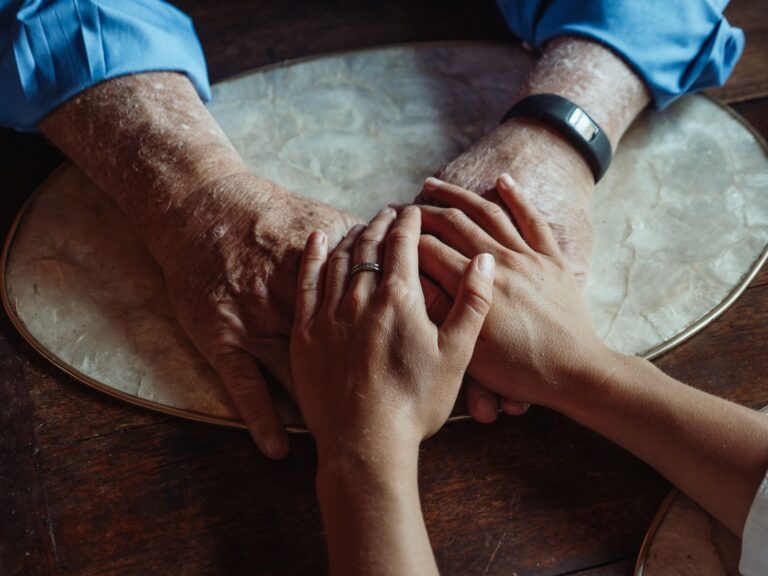
Handmade gifts—a knitted blanket, a pottery bowl, a coupon book of promises—hold memories that words alone cannot. Preserving them before Alzheimer's progresses means saving the physical anchors that can unlock long-term memories and maintain dignity and connection even after short-term recall fades.
The window for preservation action is wider than many families realize. Early brain changes begin years before Alzheimer's symptoms appear, and memory loss in early-stage Alzheimer's affects recent events first—not recognition of familiar faces and gifts. Families who preserve handmade gifts now—before diagnosis or in early stages—create tools that caregivers can use to reconnect, soothe, and maintain the person's sense of self throughout cognitive decline.
Medical information disclaimer: This article is for general educational purposes only and does not provide medical advice, diagnosis, or treatment. Always consult a physician or other qualified health professional about symptoms, medications, tests, or treatment decisions.
Table of Contents
- Why Handmade Gifts Become Critical
- The Preservation Timeline
- Physical Preservation Methods
- Memory Books and Heirloom Documentation
- How Preserved Gifts Support Daily Life
- Frequently Asked Questions
Why Handmade Gifts Become Critical
Handmade gifts carry irreplaceable meaning: they hold a giver's time, effort, and personal knowledge of the recipient. During Alzheimer's, personal objects unlock memories that verbal questions cannot reach and are essential for preserving dignity and sense of self.
Personalized handmade gifts—custom photo albums, knitted items, pottery, or activity coupons—promote emotional connection during early-stage Alzheimer's when cognitive ability still supports engagement. A sweater a daughter knitted, a scrapbook a grandchild made, or a handwritten recipe from a spouse become bridges to memory when Alzheimer's narrows other paths forward.
The Preservation Timeline
Alzheimer's affects 7.4 million Americans over 65, with risk rising sharply: 5% of those 65–74, 13.2% of those 75–84, and 33.4% of those 85 and older. After diagnosis, early-stage Alzheimer's typically lasts 4–8 years on average, though some people live 20 years post-diagnosis.
Begin preserving handmade gifts now, not when symptoms appear. Memory loss in early Alzheimer's begins with recent events; long-term memory and recognition of familiar faces remain intact longer. Handmade items from years or decades past—childhood gifts, wedding-day crafts, long-saved mementos—are precisely the anchors that remain accessible longer than recent conversations or new experiences.
Physical Preservation Methods
Store handmade gifts where they will last. Use acid-free boxes or archival-quality materials at stable temperature (65–70°F) and humidity (40–50%) to prevent deterioration. This applies to knitted items, pottery, wooden crafts, paper gifts, or textiles.
Label and photograph each item before storage. Document when it was made, who created it, what it was intended for, and why it matters. These notes become searchable memories when the person with Alzheimer's no longer can.
Memory Books and Heirloom Documentation
Memory books are personalized collections of photographs, labels, and mementos with captions in first person, using nonacidic adhesives and removable labels so families can update entries after the person's death. These can include photos of handmade gifts, descriptions of their origins, and stories about their significance.
Creating "heirloom companions"—comprehensive documentation accompanying treasured handmade items—helps caregivers understand the significance of ordinary objects and preserve the stories tied to gifts. A heirloom companion might include a photo of the handmade item, who created it, when, the occasion, and what it meant to the recipient. This documentation becomes a caregiver's script for conversation.
How Preserved Gifts Support Daily Life
Reminiscence therapy—reviewing personal photographs and objects from one's past—activates long-term memory in dementia patients, reducing stress compared to learning new information. A caregiver can pull out a preserved gift—a hand-painted mug, a photo album, a scarf—and use it to guide conversation and spark recognition without the frustration of new learning.
Nearly 13 million Americans provide unpaid care for family members with dementia, with over 40% reporting high or very high emotional stress. Preserved handmade gifts reduce caregiver burden by providing ready tools for connection, comfort, and conversation when new interactions fail.
Frequently Asked Questions
When should we start preserving gifts?
Now. Early brain changes begin years before Alzheimer's symptoms appear, making preservation before or at early diagnosis most effective.
How do we use preserved gifts with someone who has advanced Alzheimer's?
Reminiscence therapy uses personal objects to activate long-term memory, which outlasts short-term recall. Show the gift, share its story from your documentation, and allow the person to hold, examine, or wear it.
Will stored gifts still work years later?
Yes, if stored correctly. Proper archival storage at stable temperature and humidity prevents deterioration, ensuring gifts remain tactile and visible during any stage of Alzheimer's.